
11 results
-
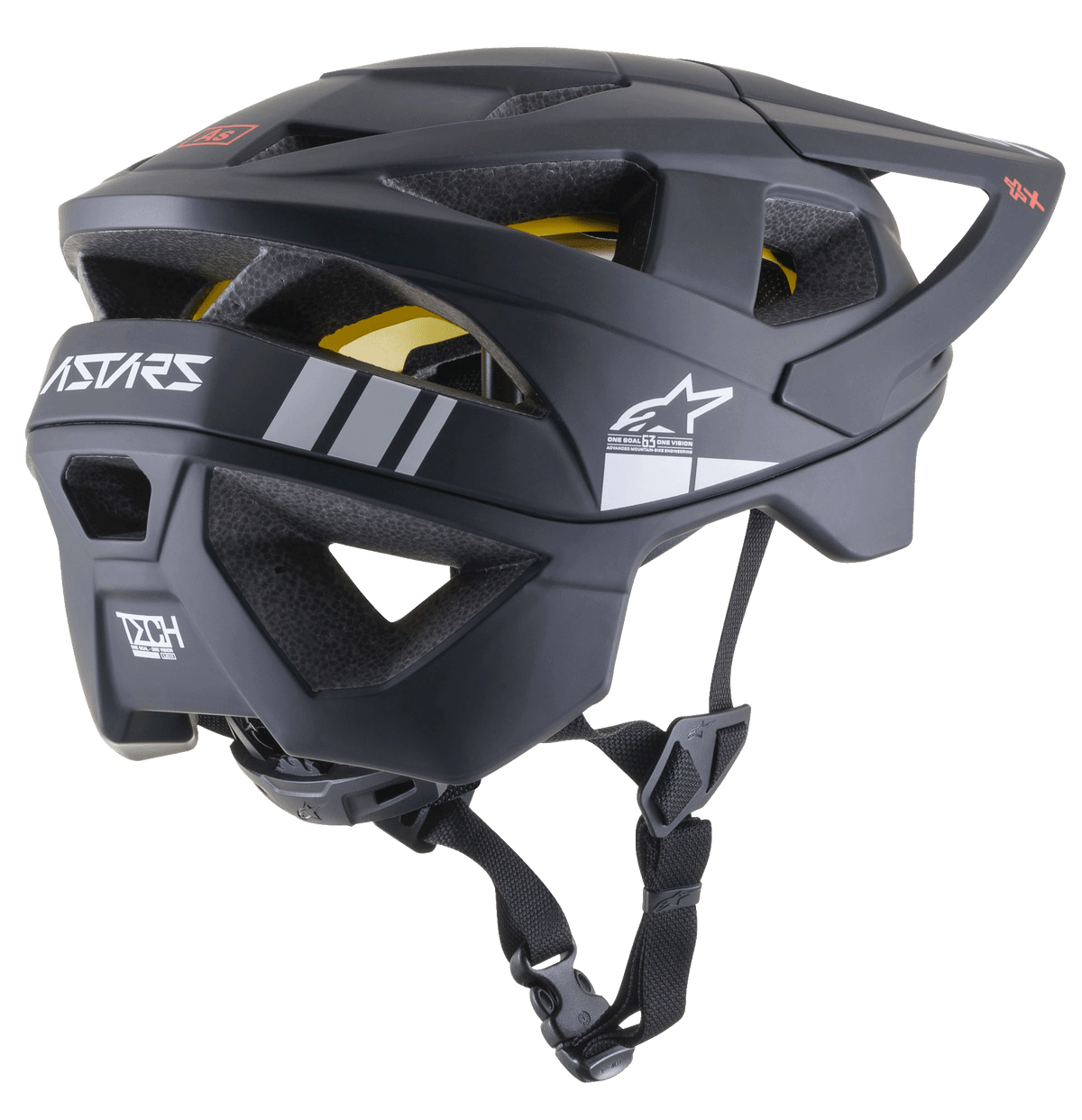
Vector Tech Zeal Helmet -
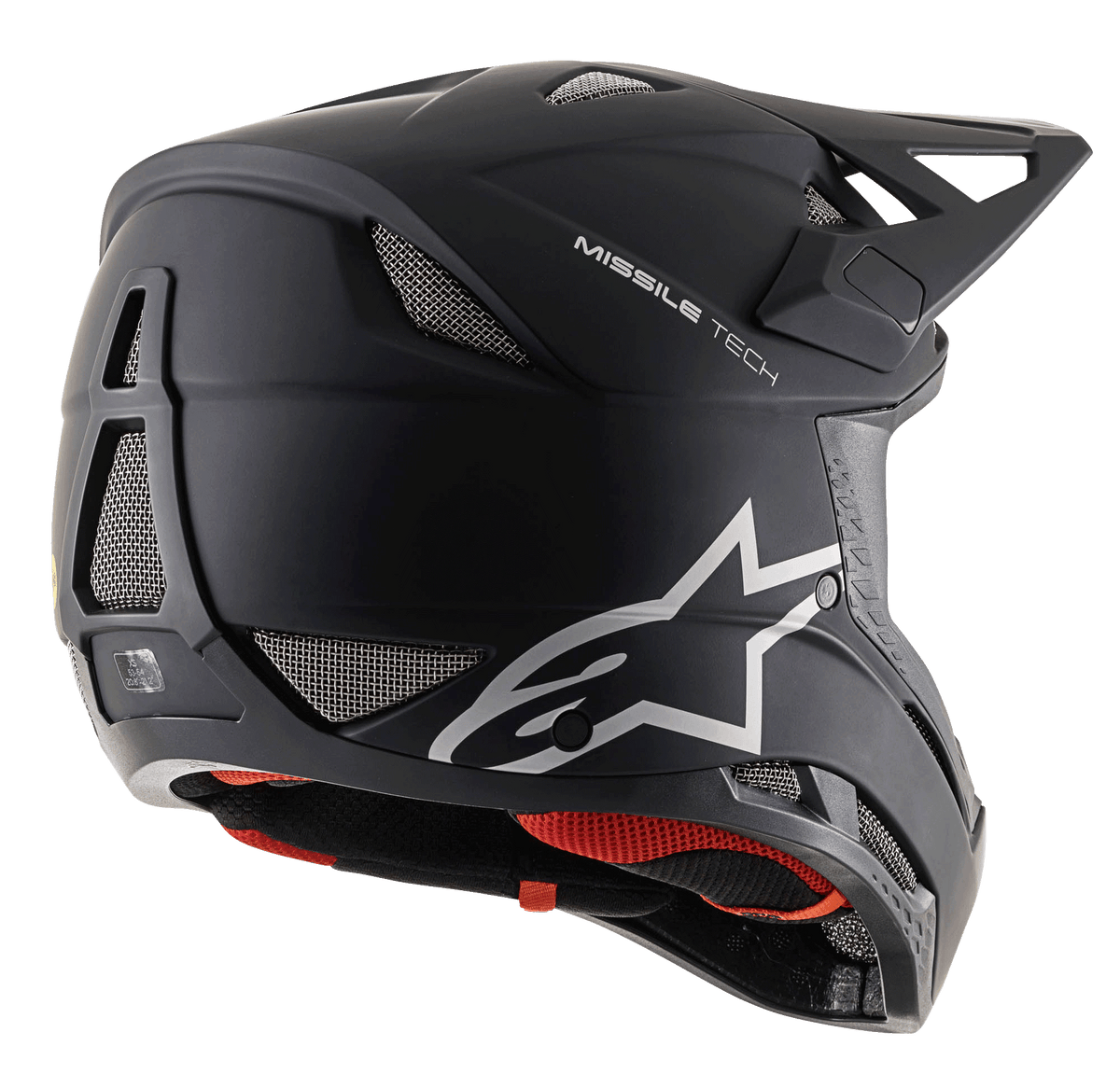
Missile Tech Racer Helmet -
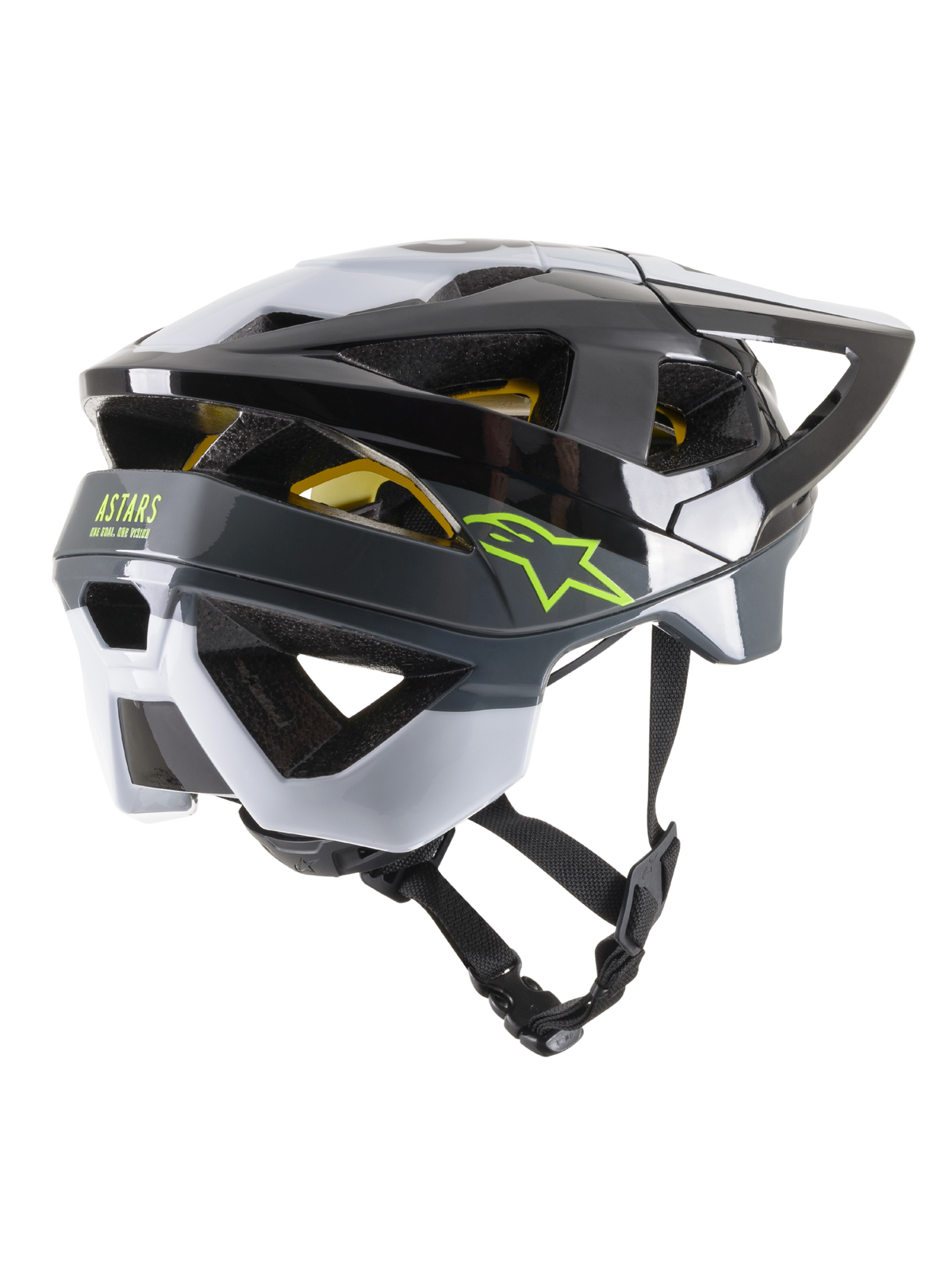
Vector Tech Pilot MTB Helmet CE -
Vector Tech Solid Helmet -
Vector Tech A2 MTB Helmet ECE -
Missile Tech Racer Helmet -
Vector Tech Solid Helmet -
Missile Tech Solid Helmet Black Matt -
Vector Tech Pilot Helmet CE -
Missile Tech Airlift Full Face Helmet -
Vector Tech A1 MTB Helmet ECE

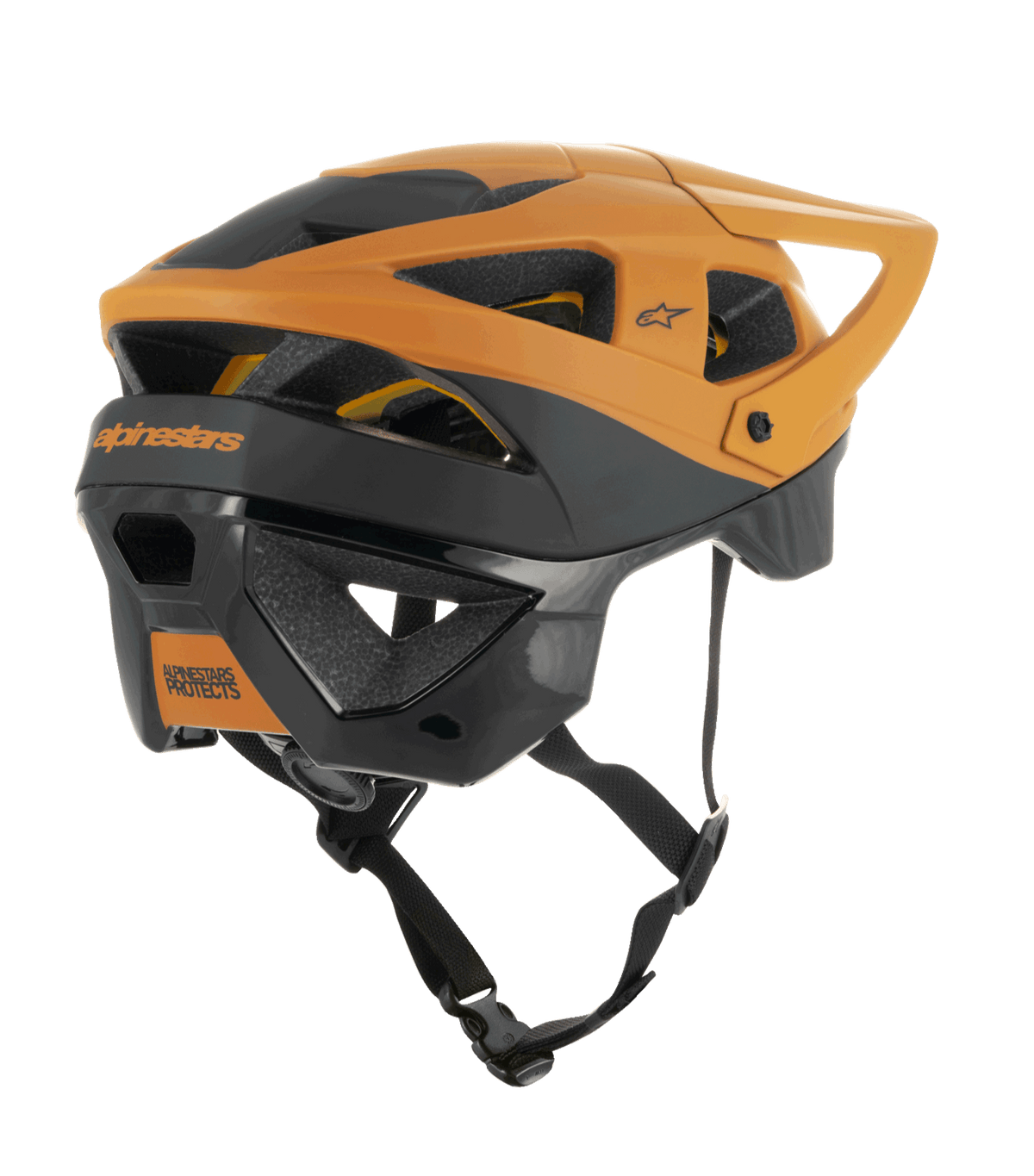


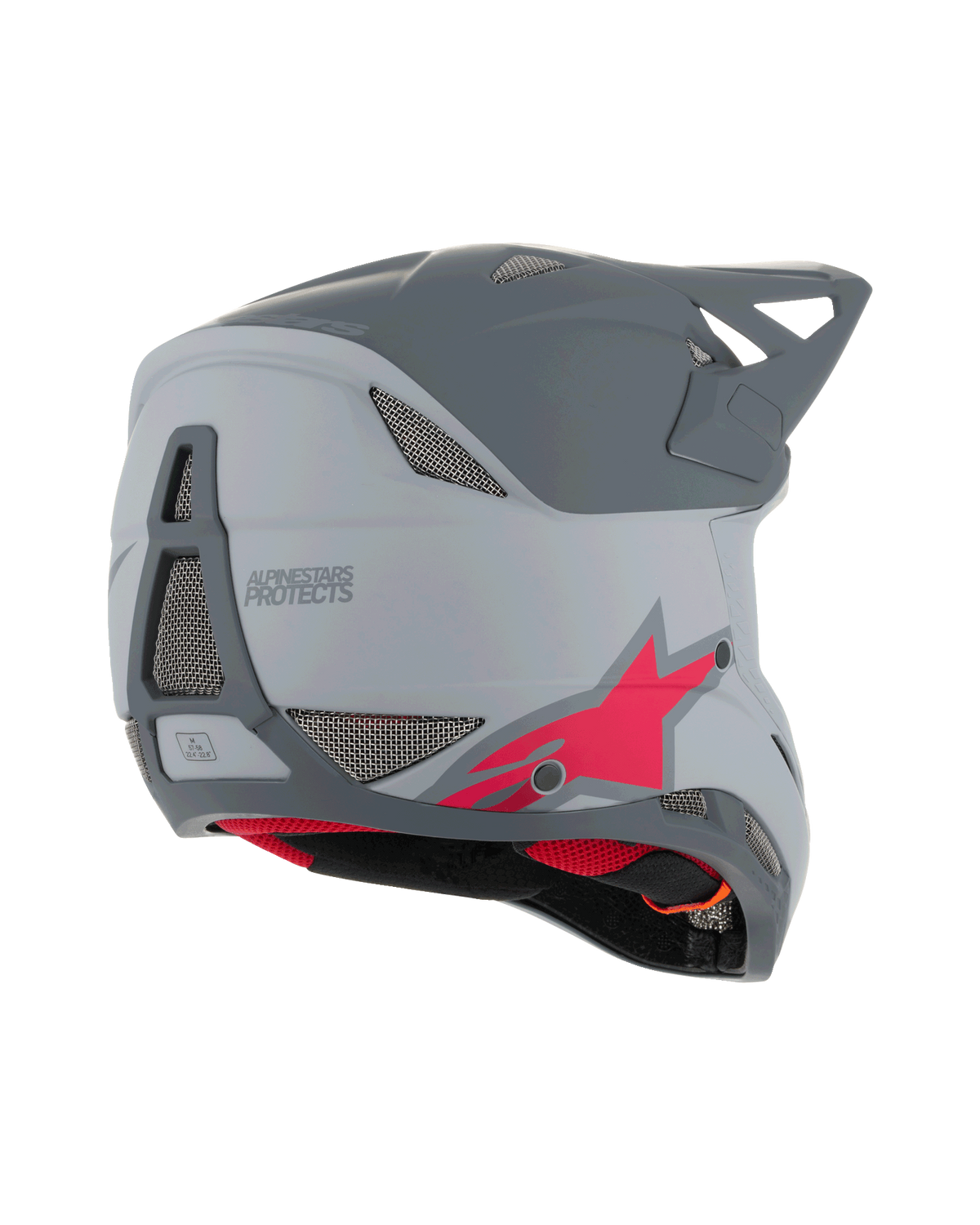


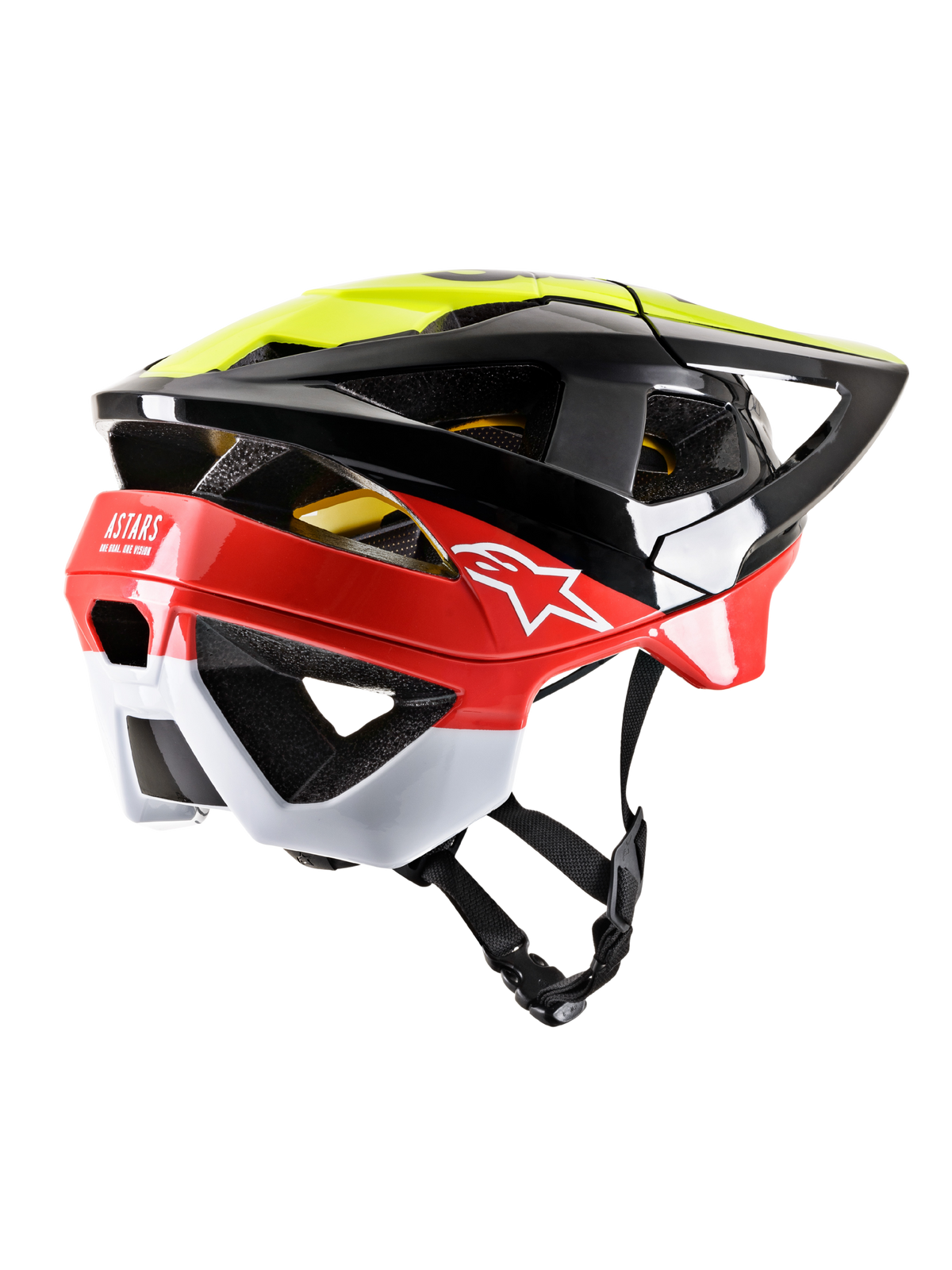


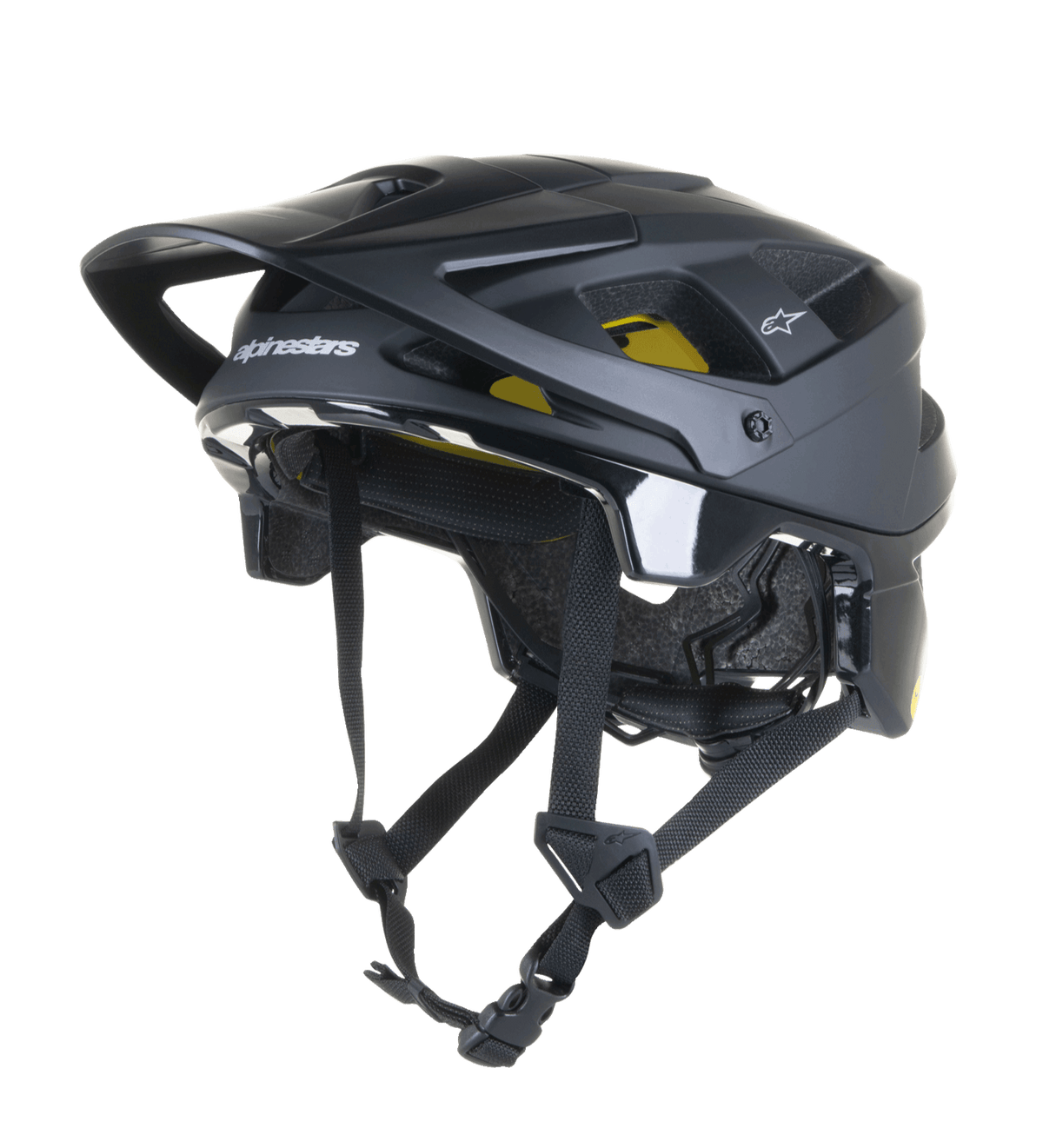
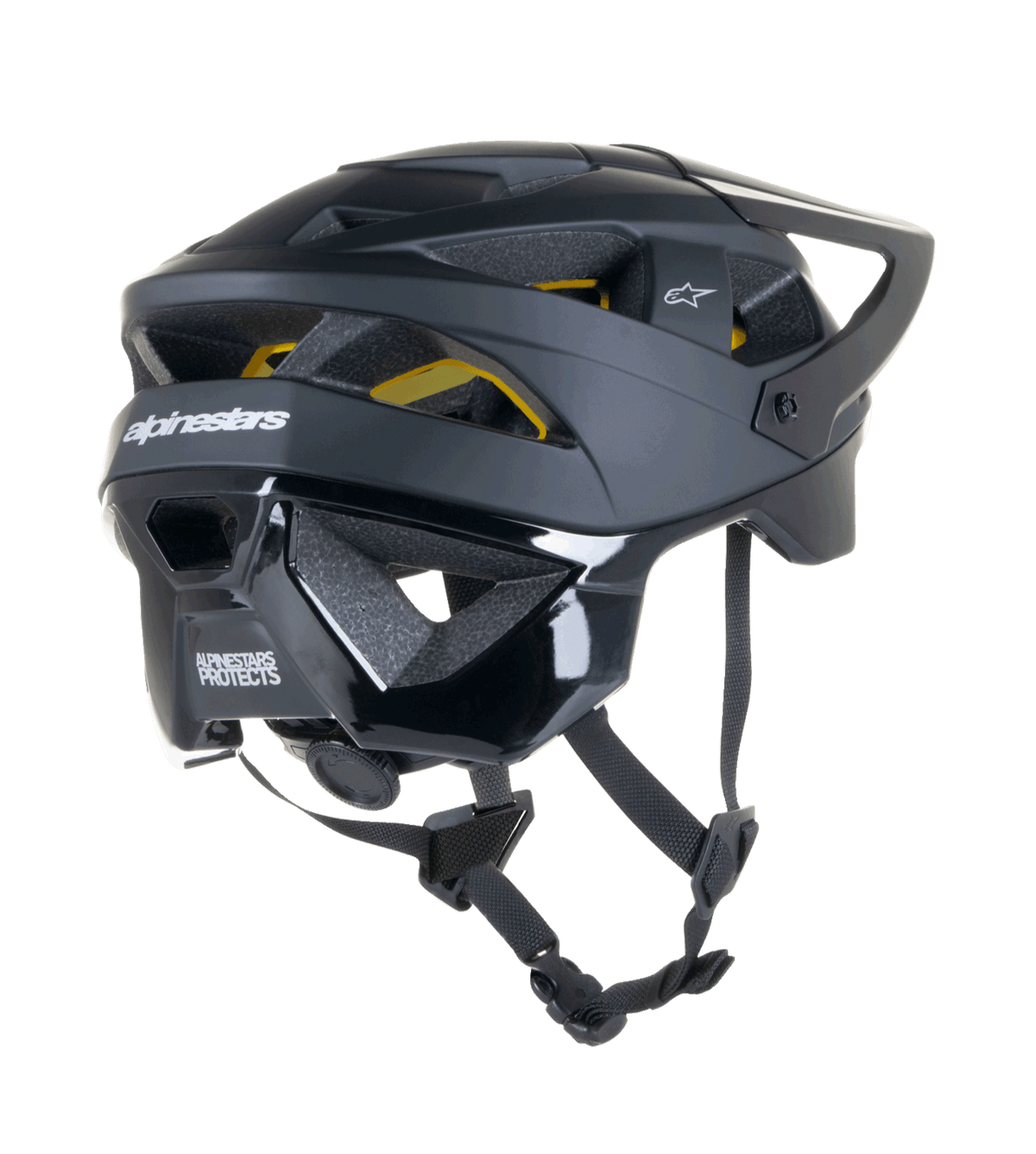


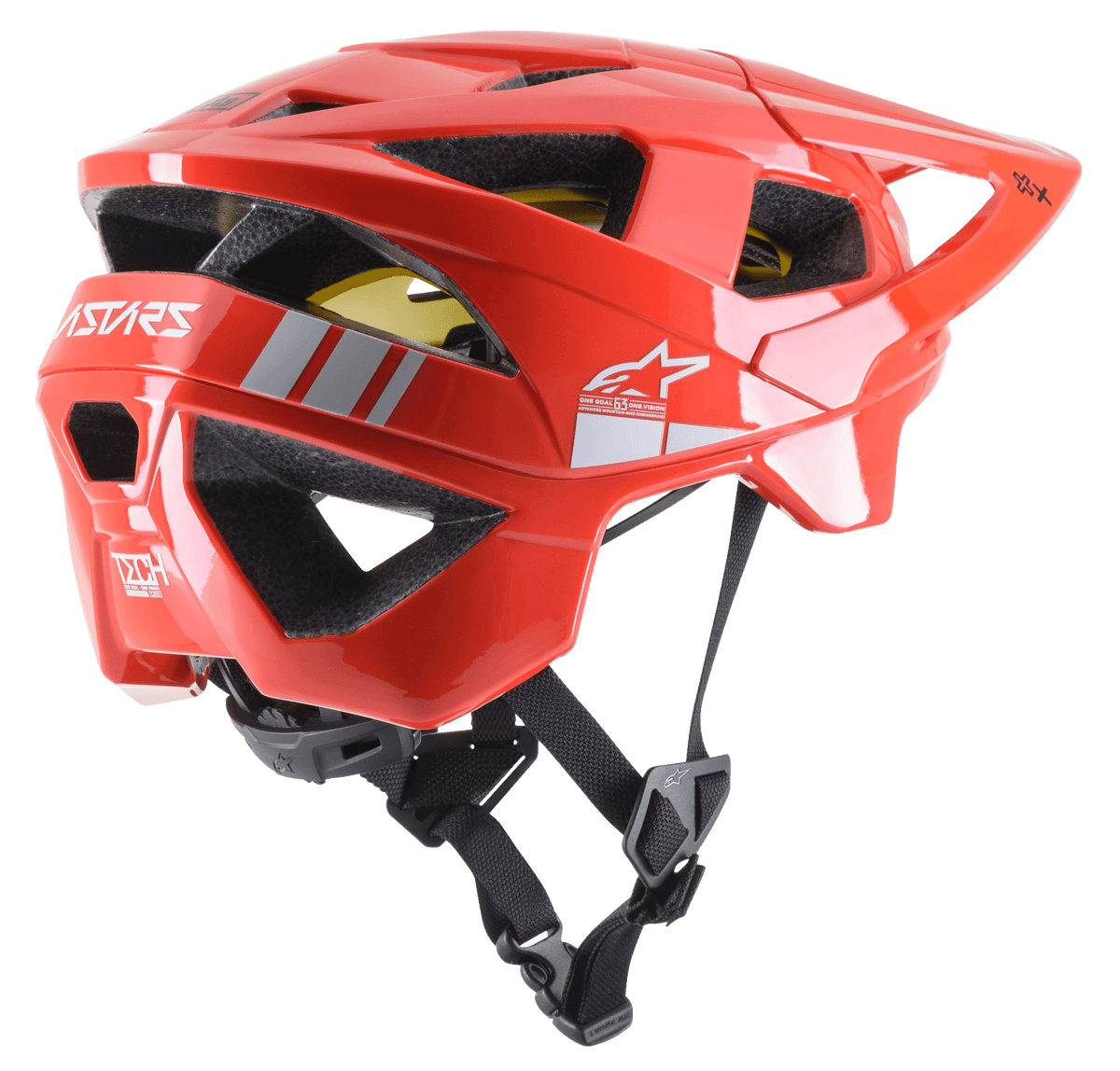


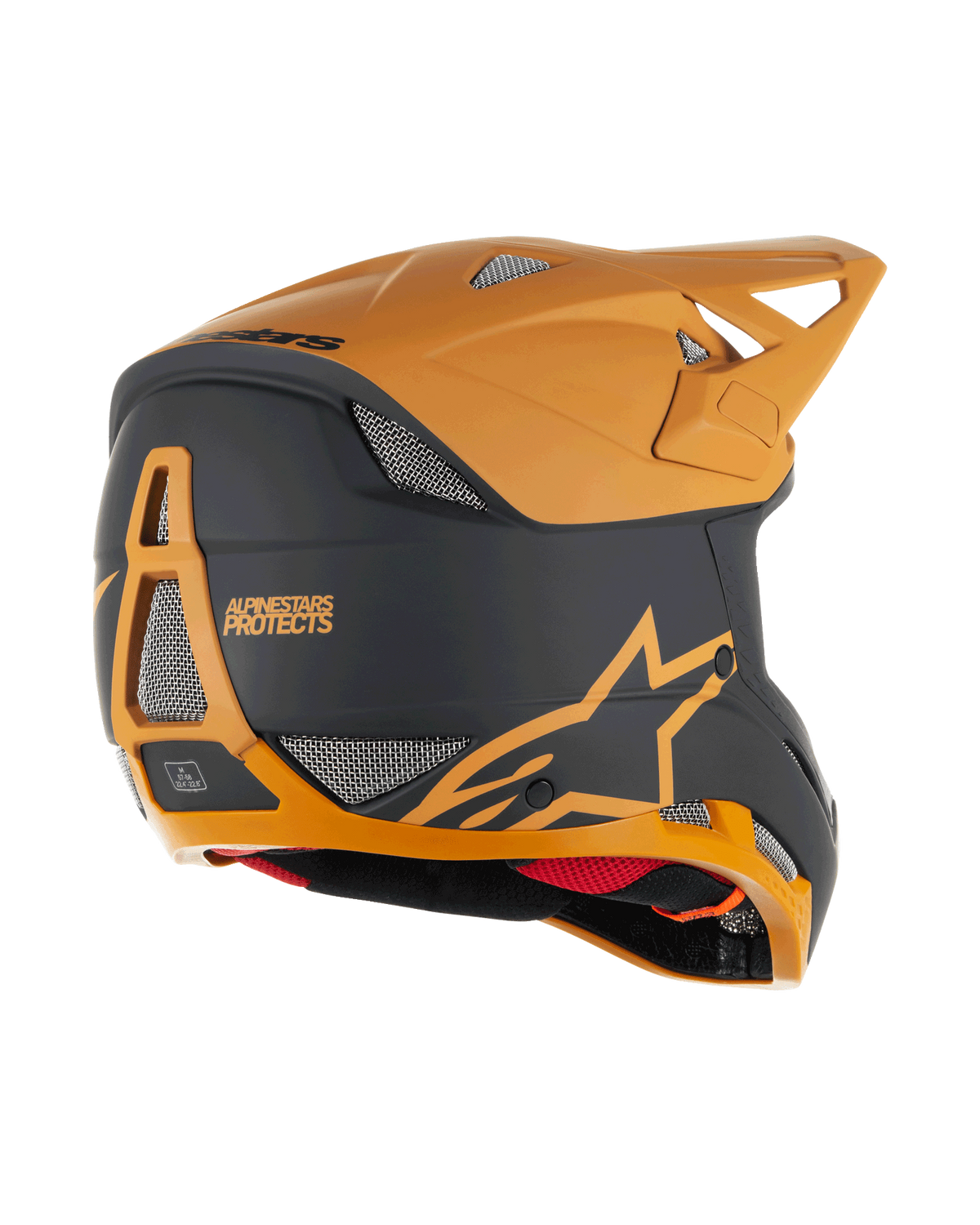

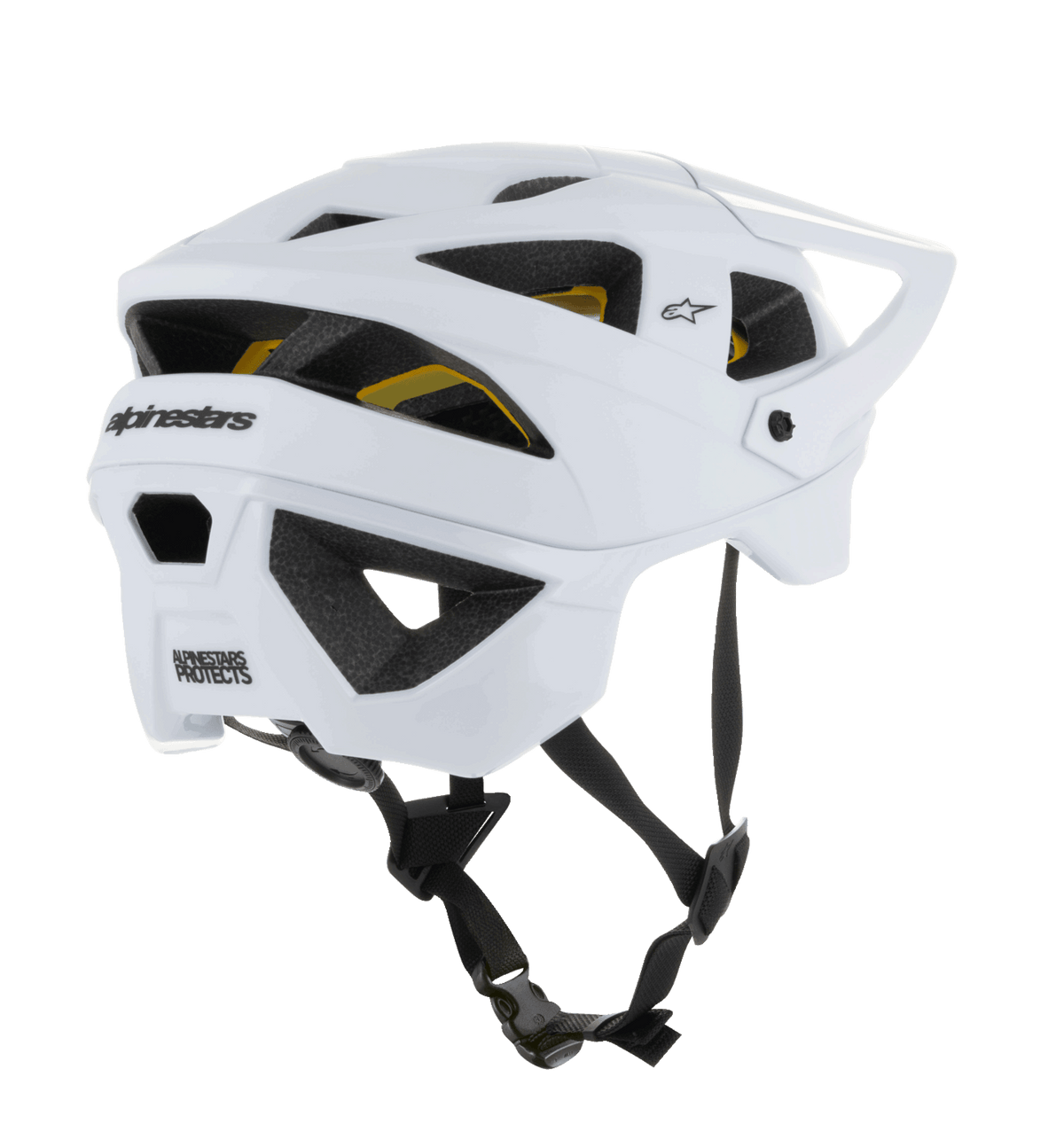






11 of 11 products
All products loaded
Frequently asked questions Hide FAQs
What is the difference between open-face and full-face MTB helmets?
Open-face MTB helmets are typically chosen for trail, all-mountain, and many enduro rides where low weight, ventilation, and wide peripheral vision are priorities. Full-face MTB helmets add chin and facial coverage for higher-consequence riding, including downhill, bike park, and more aggressive gravity-focused use.
| Helmet type | Best use | Main advantage |
|---|---|---|
| Open-face | Trail, all-mountain, general enduro | Lighter feel and stronger airflow on climbs |
| Full-face | Downhill, bike park, aggressive enduro | More comprehensive coverage for technical terrain |
If you are building a full trail setup, you can also explore complementary MTB protection and the broader MTB gear range.
How should an MTB helmet fit and how do I choose the right size?
An MTB helmet should sit level on the head with secure contact around the crown, without pressure points or excessive movement. The fit should feel stable before the chin strap is fully tightened, with the retention system used for fine adjustment rather than forcing the helmet smaller.
Measure your head circumference and compare it with the size chart on the product page. Once on, tighten the rear adjustment system until the helmet feels evenly secure, then set the straps so the helmet stays positioned during climbing, descending, and repeated trail impacts.
What safety features should I look for in an MTB helmet?
At collection level, key features include an impact-absorbing EPS liner, extended rear and side coverage, a stable retention system, and visor design that works with trail riding visibility needs. Many riders also look for rotational impact management solutions and shell shapes designed to help manage angled impacts.
For more aggressive mountain biking, coverage profile matters as much as weight and ventilation. Certification and construction can vary by model, so the best approach is to compare the intended riding use, protection design, and any listed safety standard on each helmet page before choosing.
Can I wear MTB helmets with goggles or sunglasses?
Yes. MTB helmets are generally designed to work with common trail eyewear setups, but compatibility depends on the helmet shape, visor position, and the type of riding you do. Open-face helmets are often used with sunglasses or lightweight goggles, while full-face helmets are commonly paired with goggles for downhill and bike park riding.
When comparing options in the collection, check for an adjustable visor, clear brow and temple space, and enough field of view for technical terrain. A stable fit is important because helmet movement can affect both eyewear comfort and protection positioning on rough descents.
When should I replace an MTB helmet and how should I care for it?
An MTB helmet should be replaced after a significant impact, even if damage is not immediately visible, because the energy-managing liner can be compromised internally. You should also replace a helmet if the shell is cracked, the retention system no longer holds securely, or the straps and buckle show meaningful wear.
For routine care, clean the shell with mild soap and water, remove and wash comfort padding if the model allows, and let everything air dry away from direct heat. Avoid solvents, harsh cleaners, and high heat, as they can damage materials and shorten service life.