
182 results
-
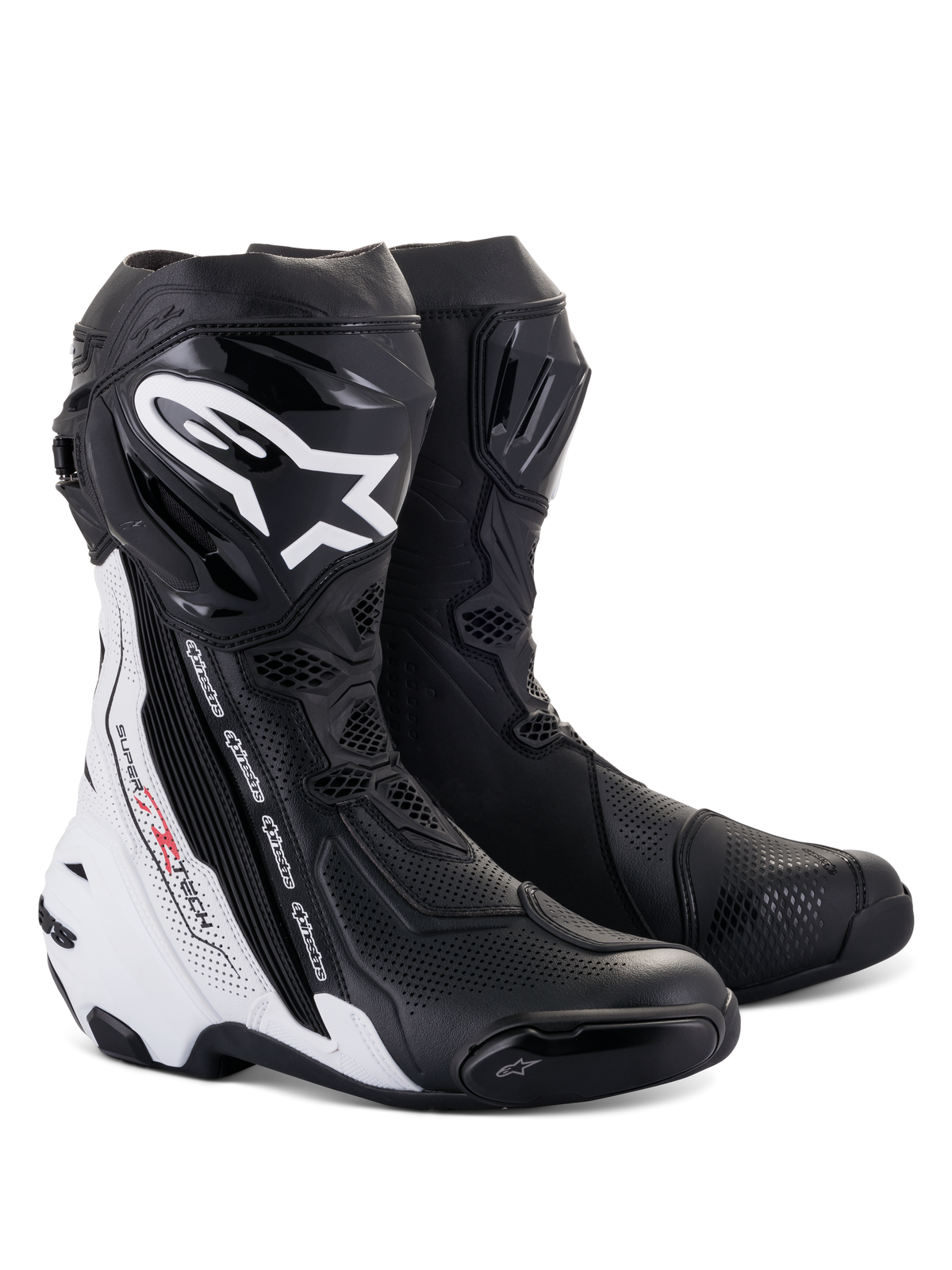
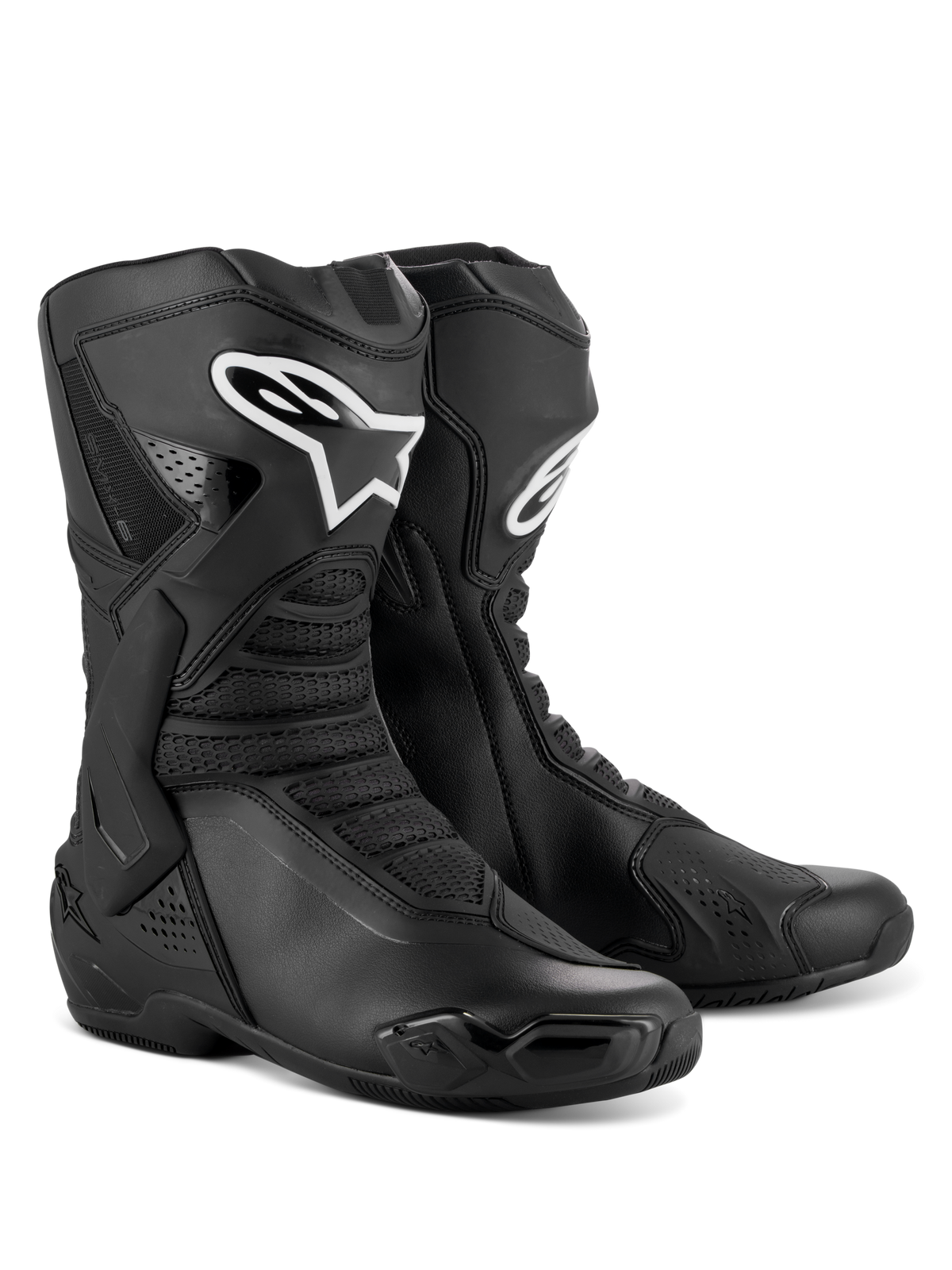
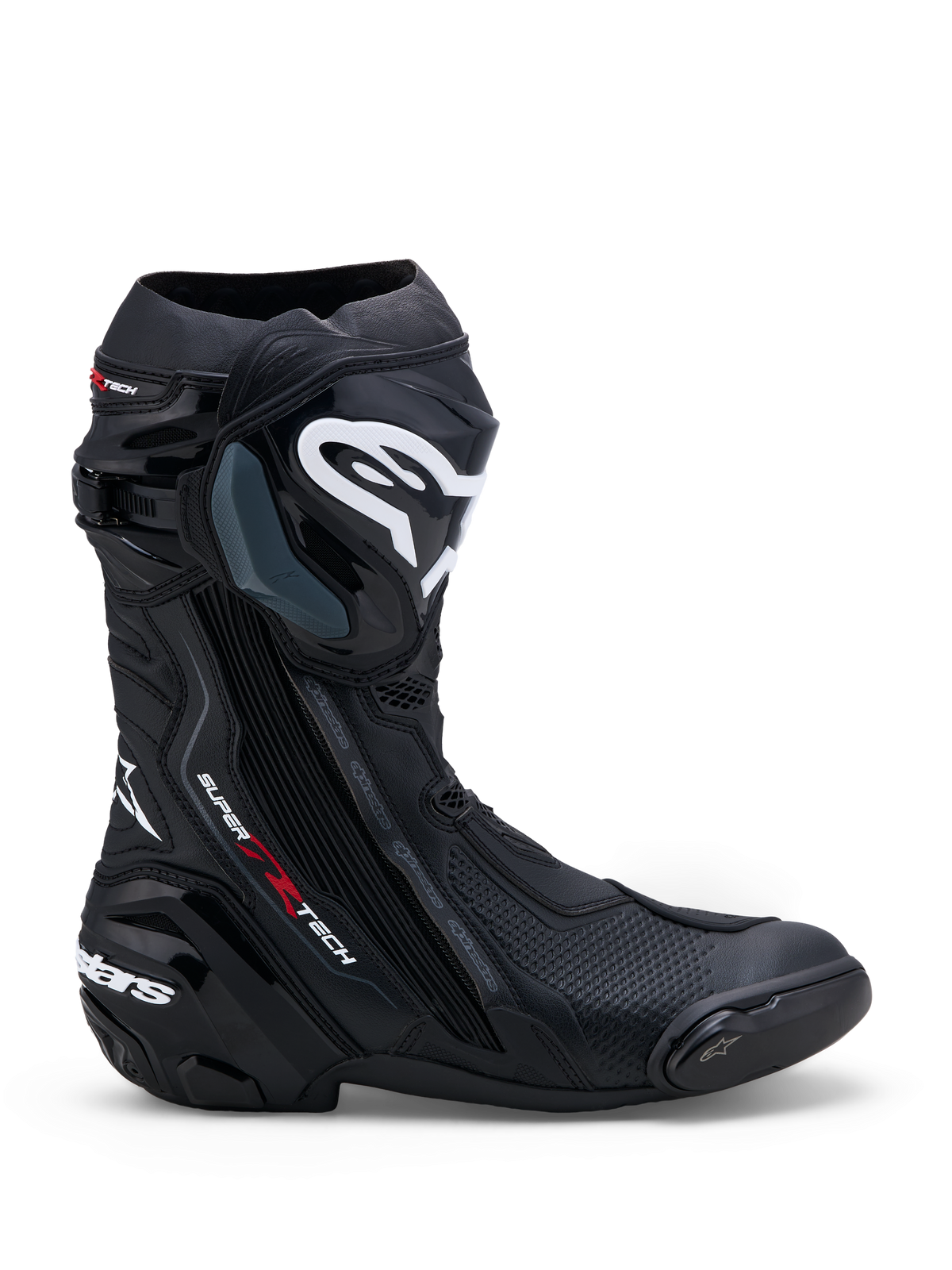
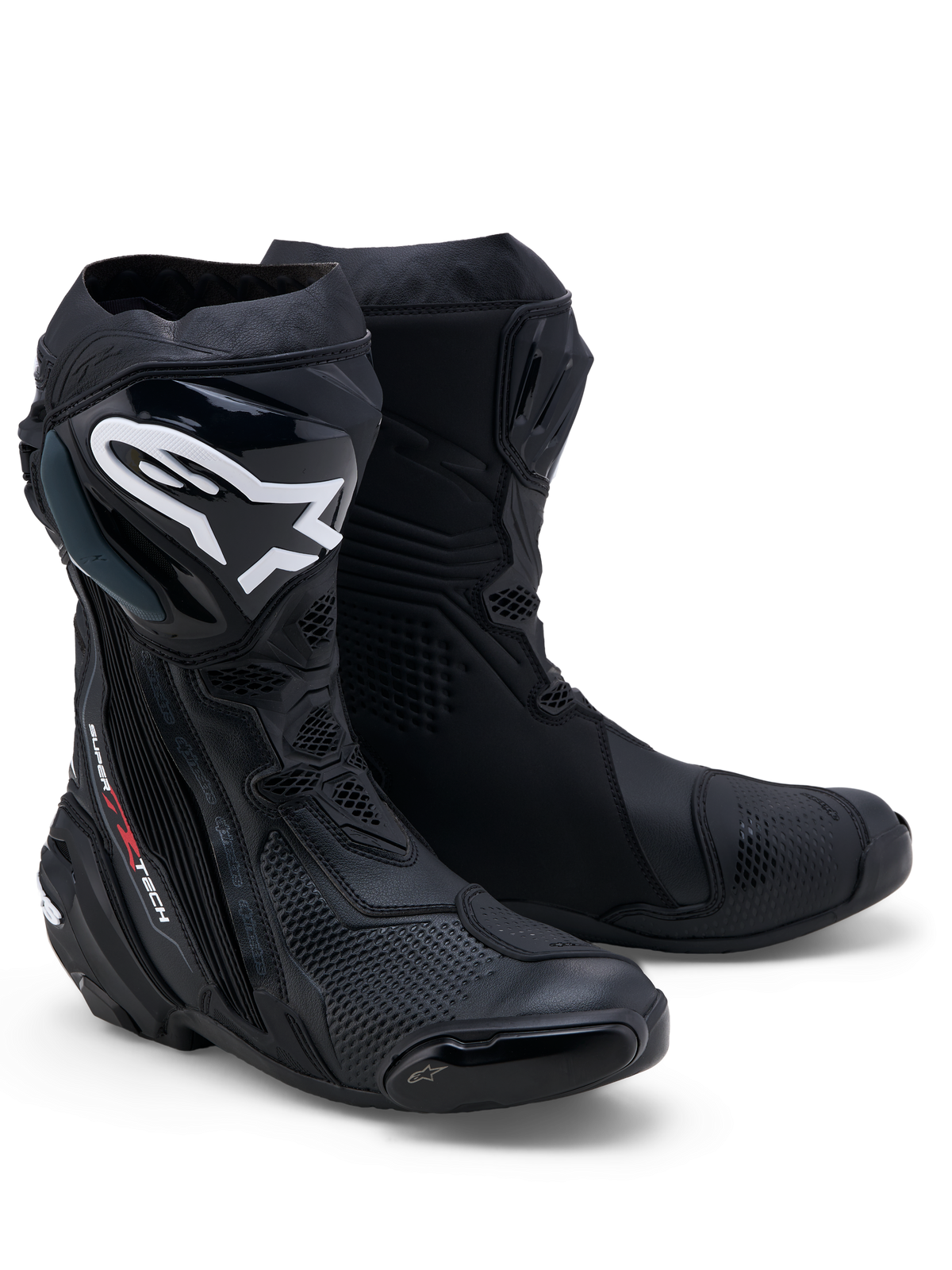
Supertech R Vented Boots -
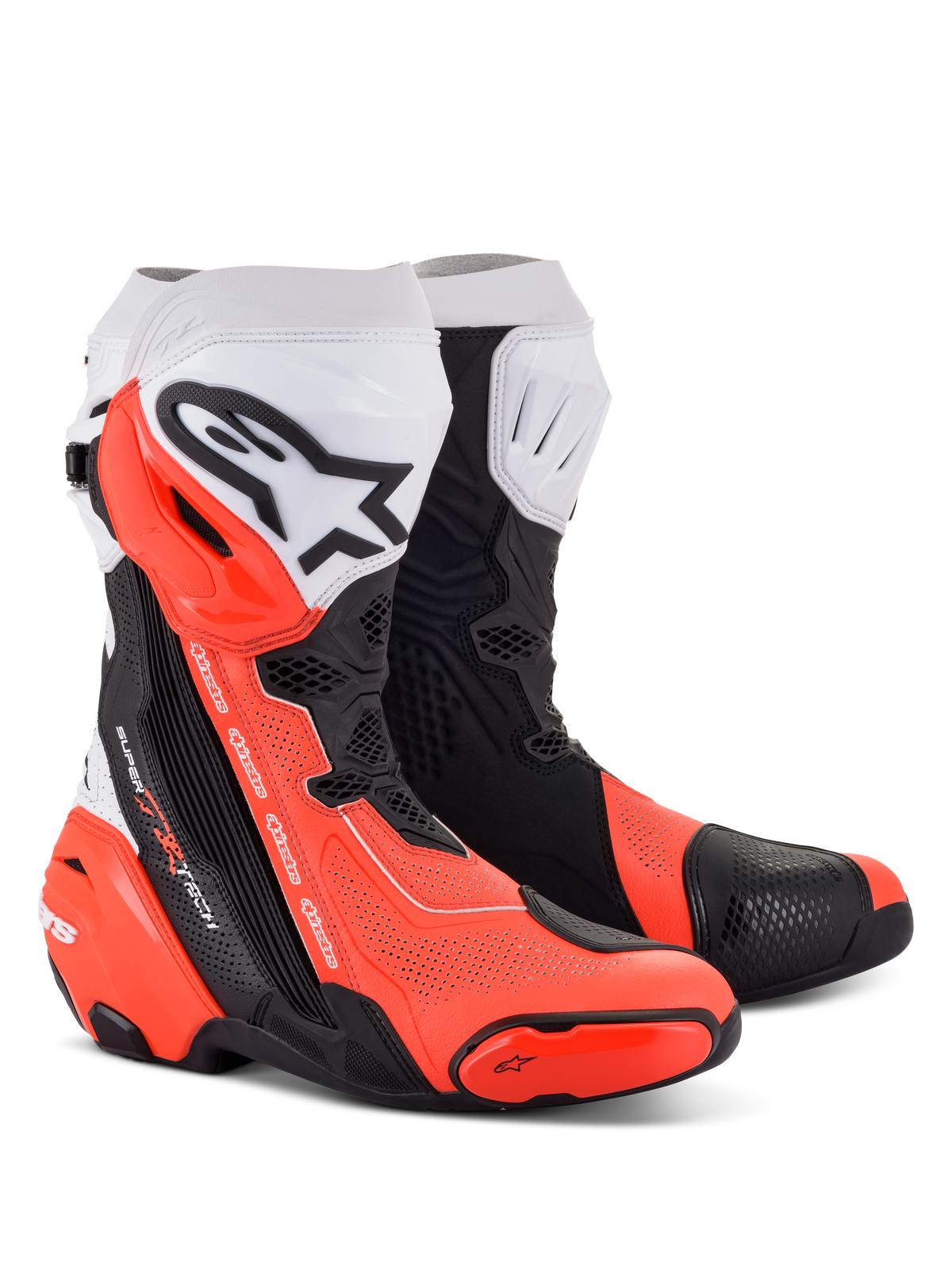
Supertech R Vented Boots -
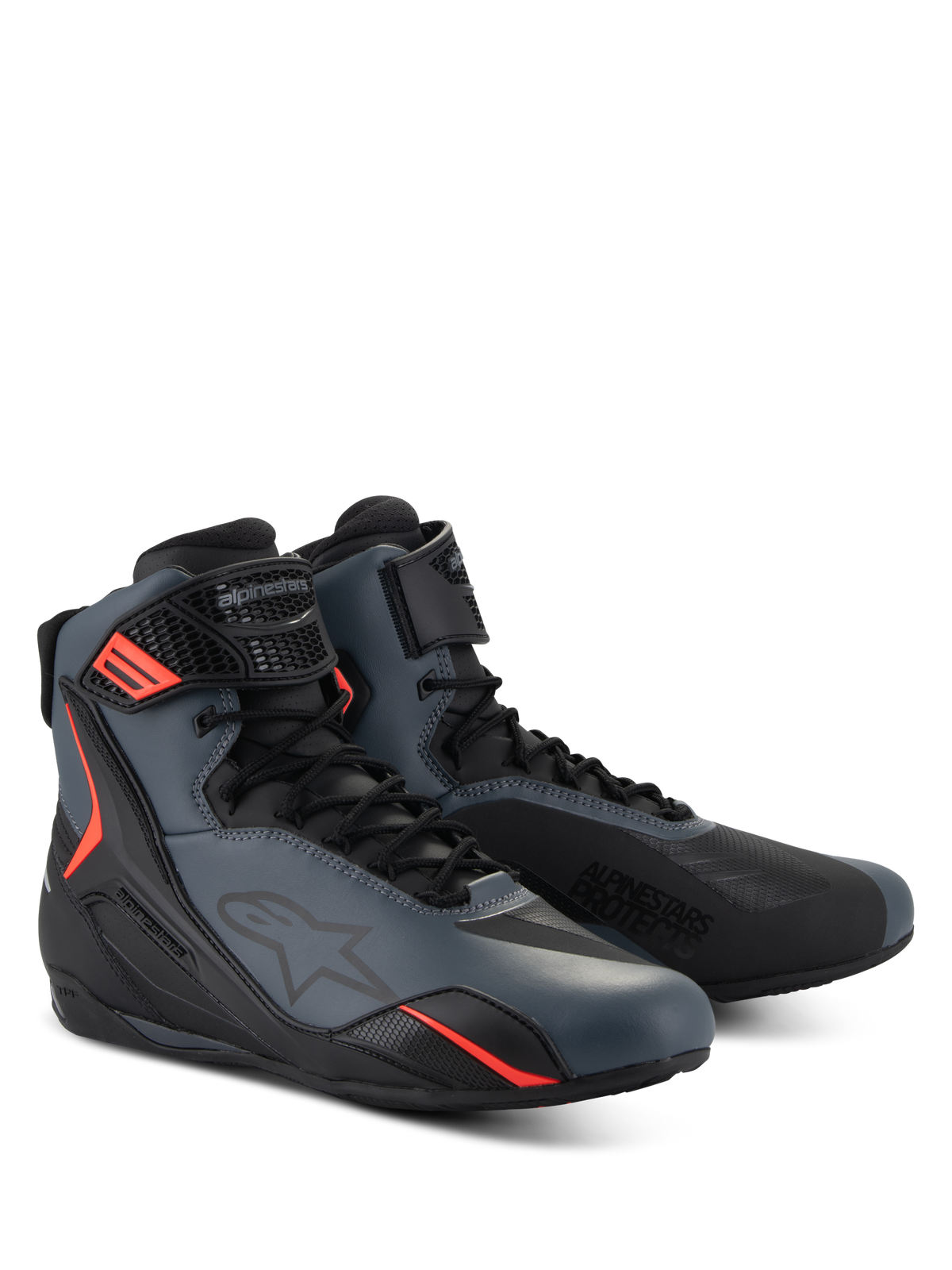
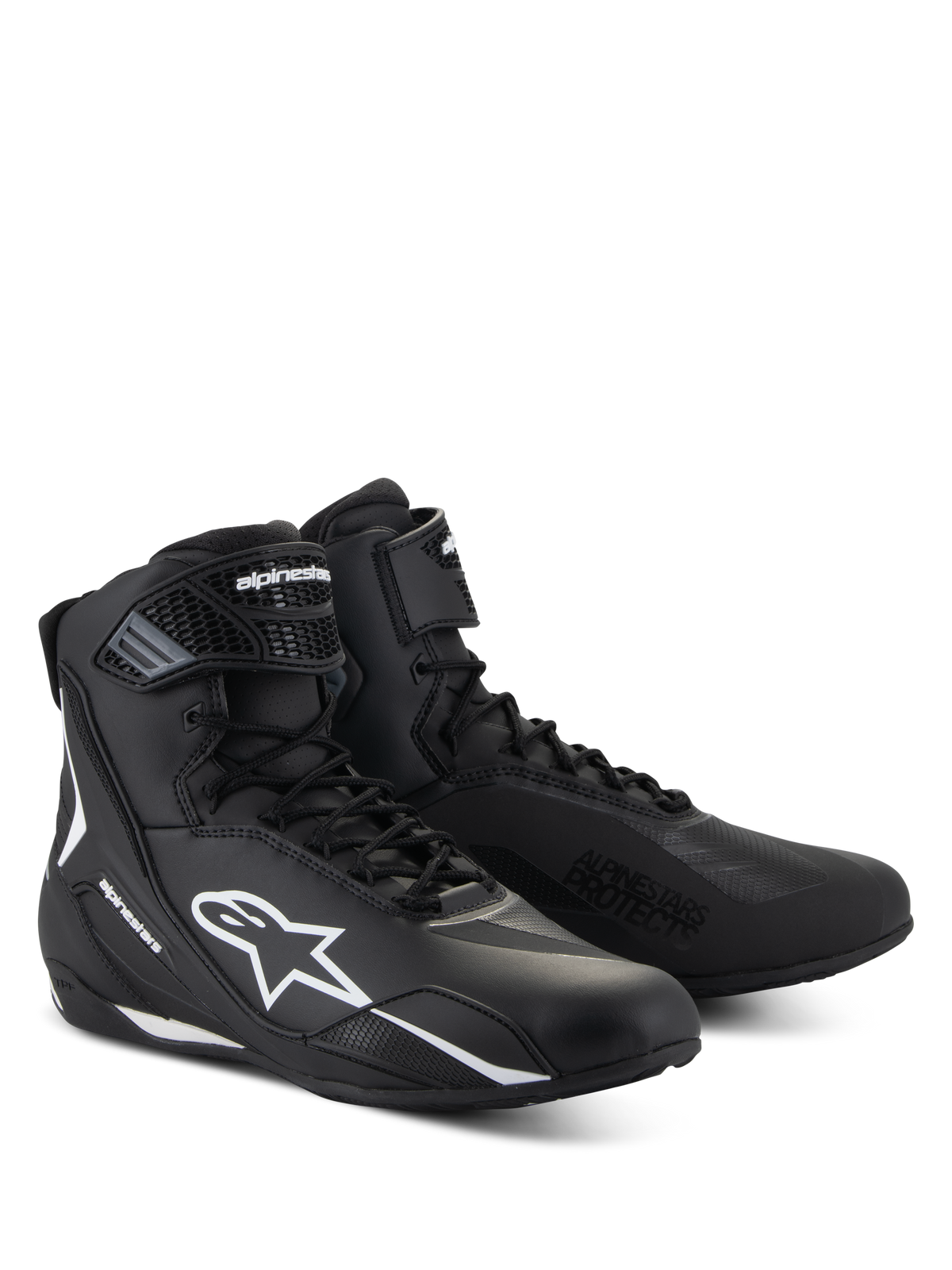
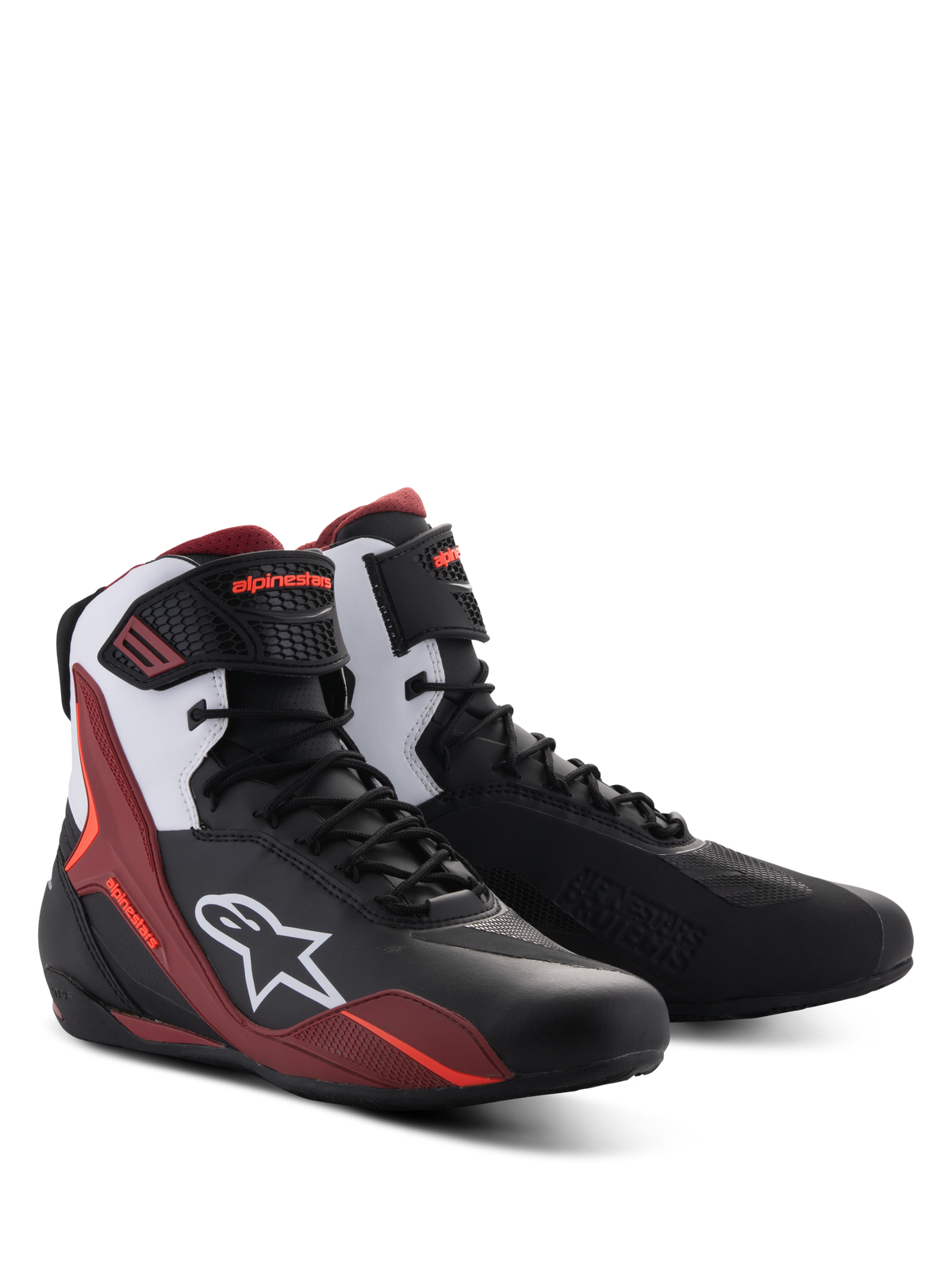
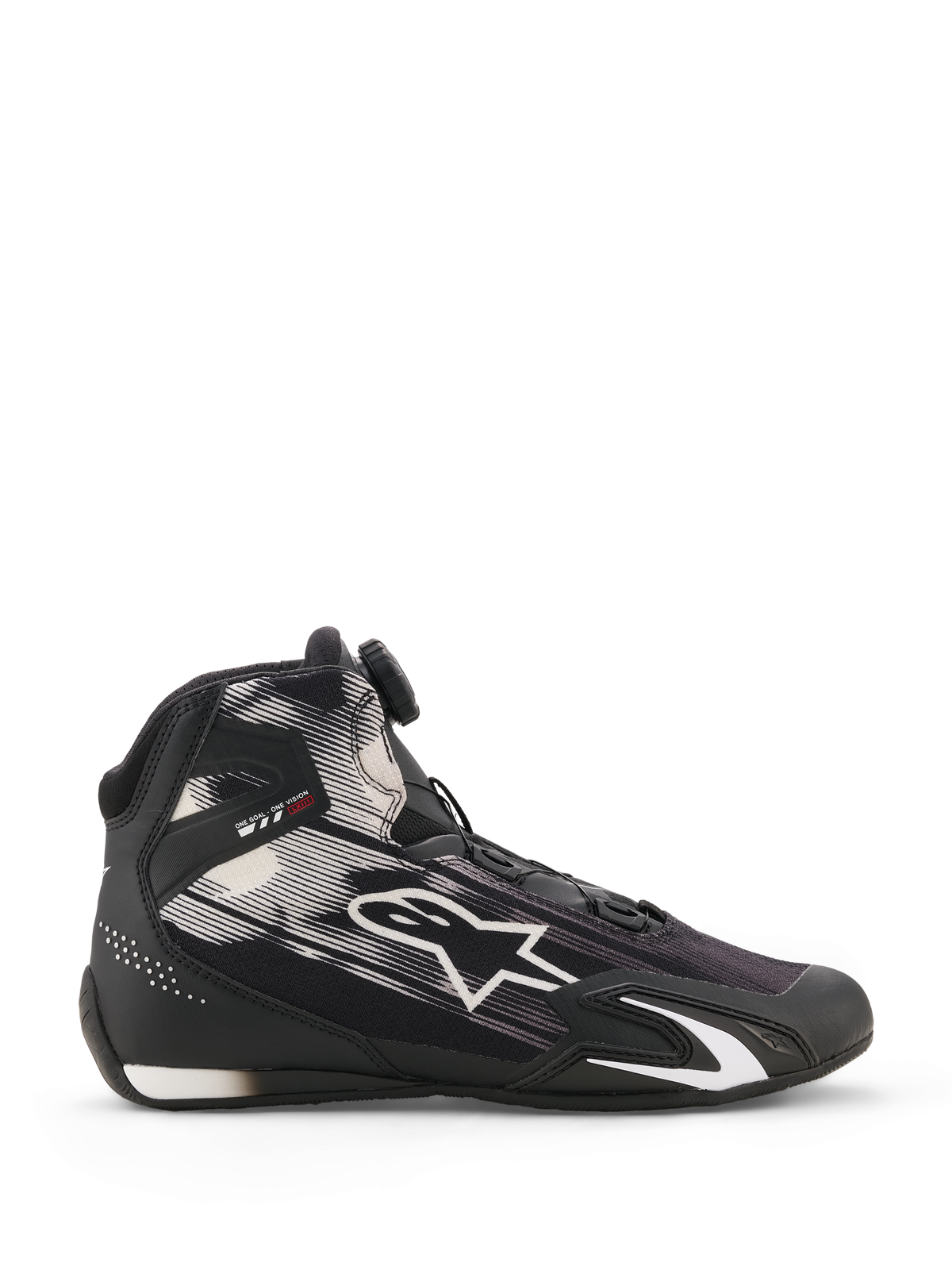
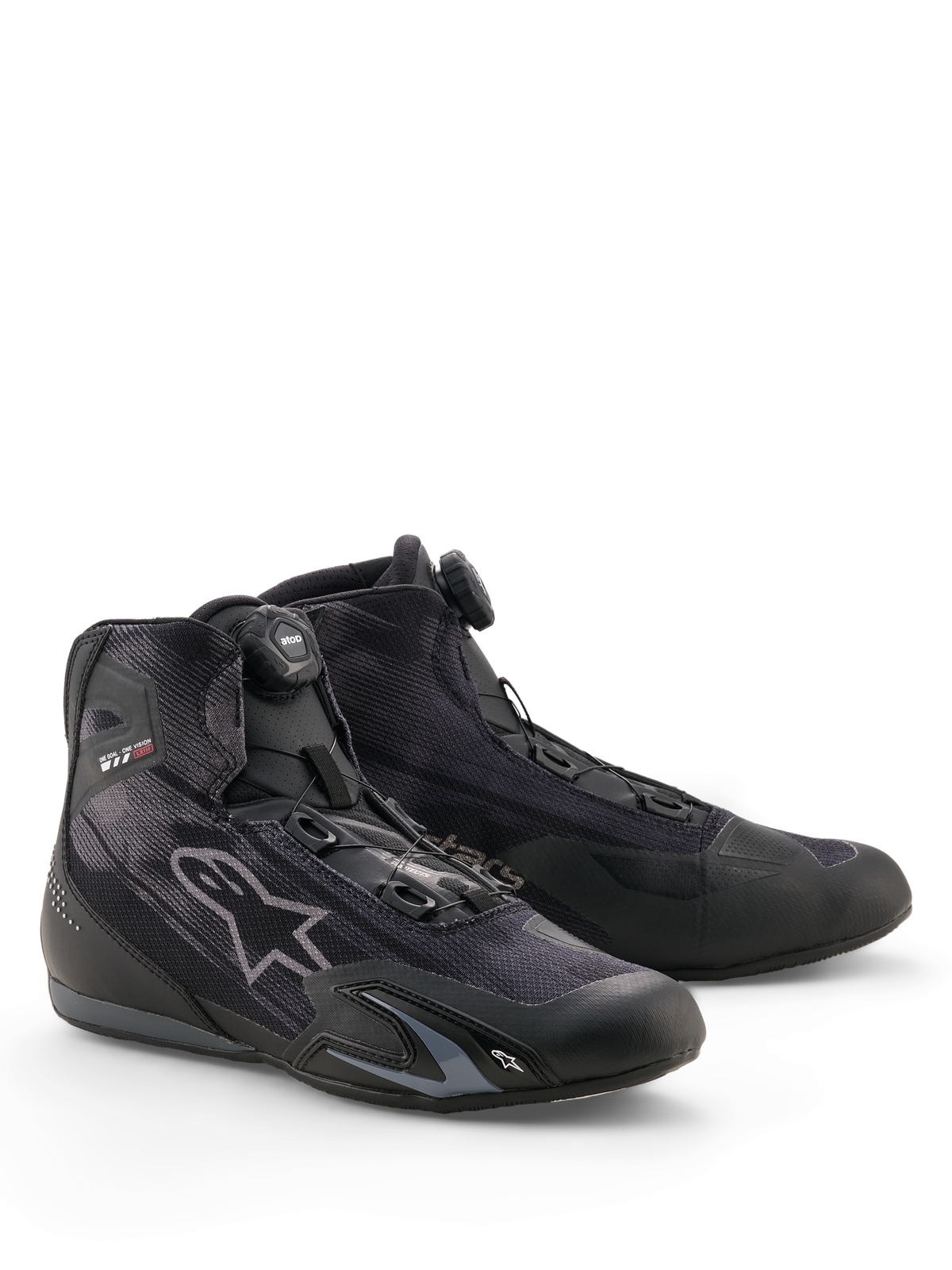
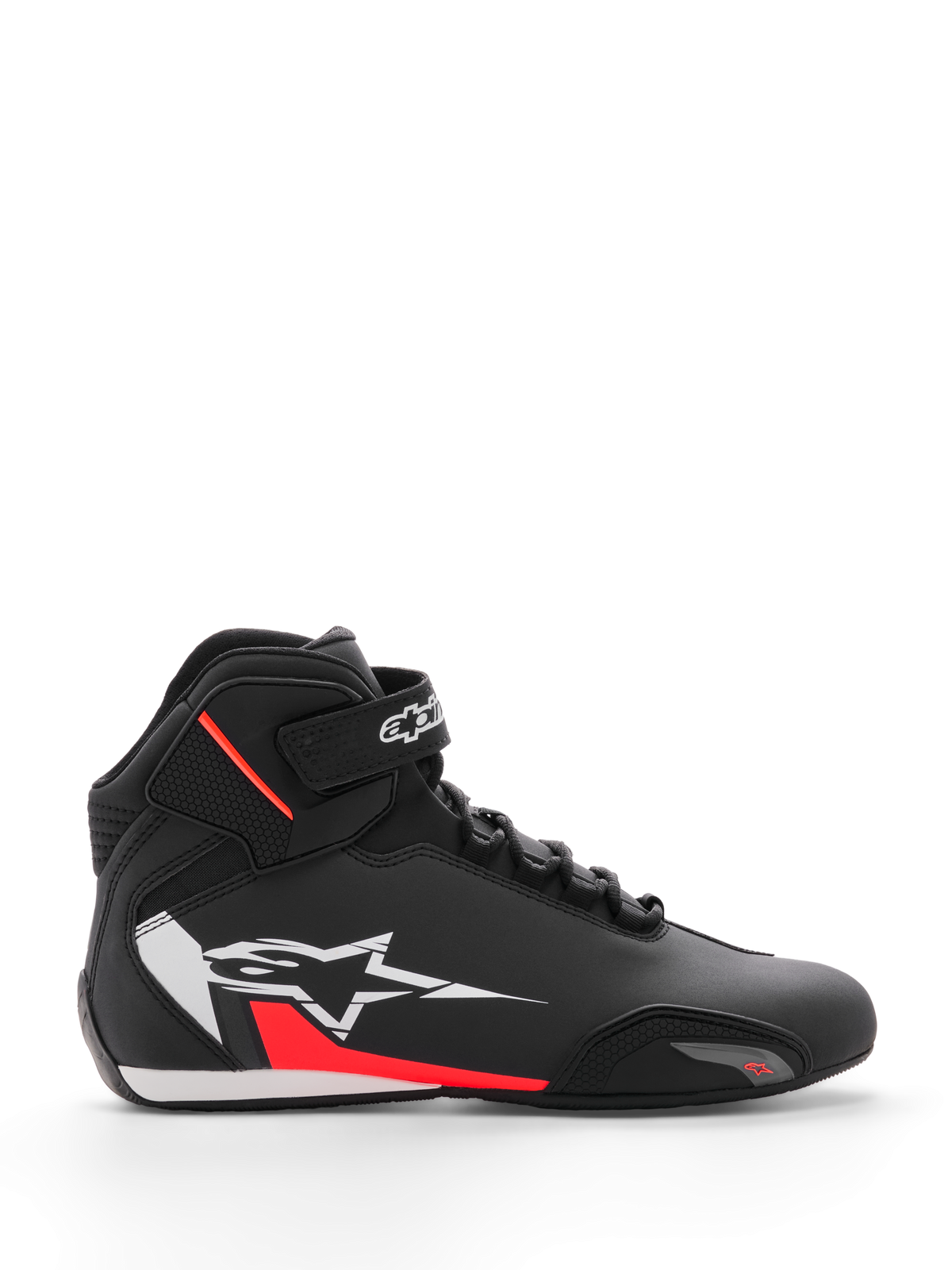
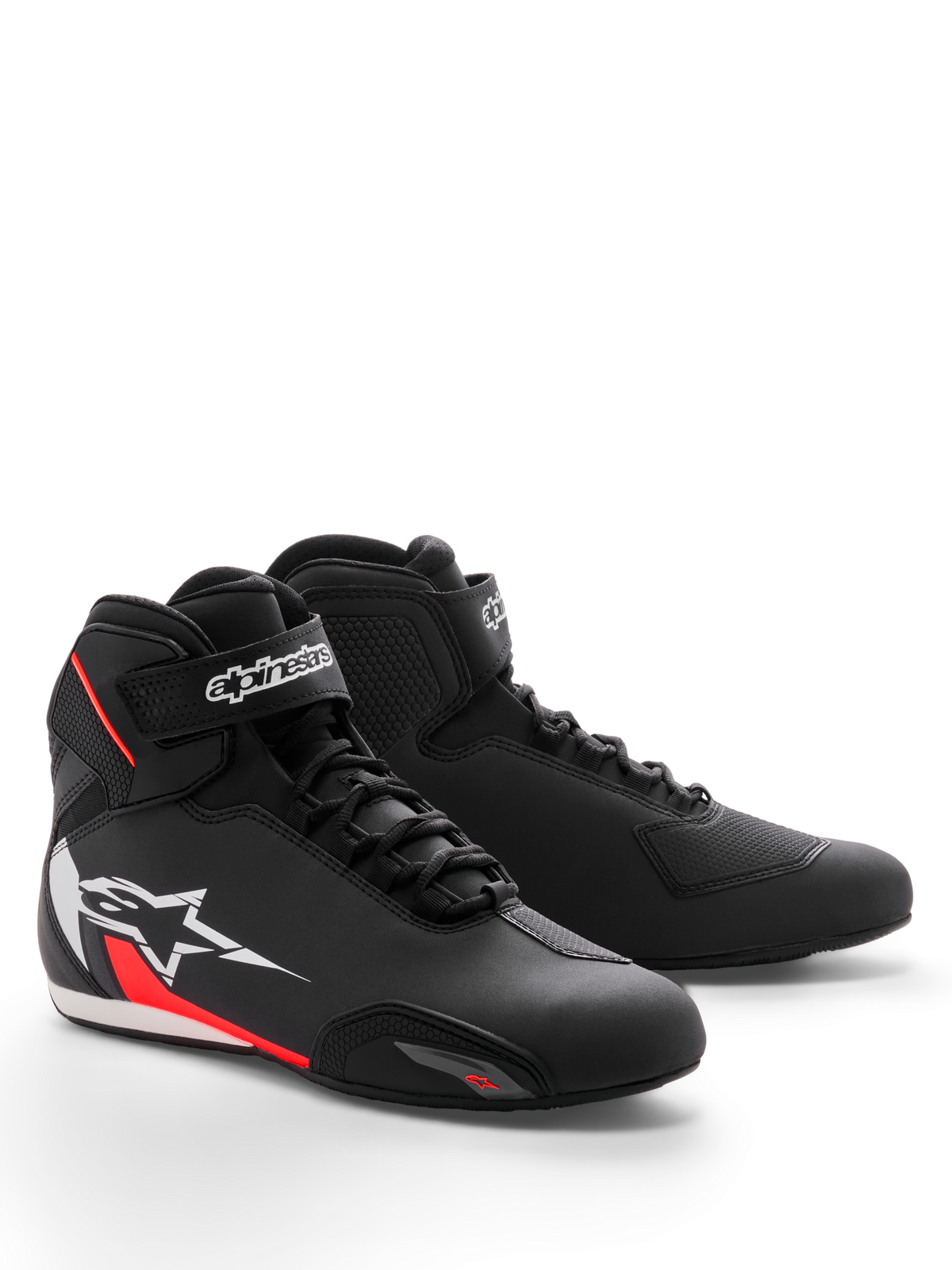
Faster-4 Shoes -
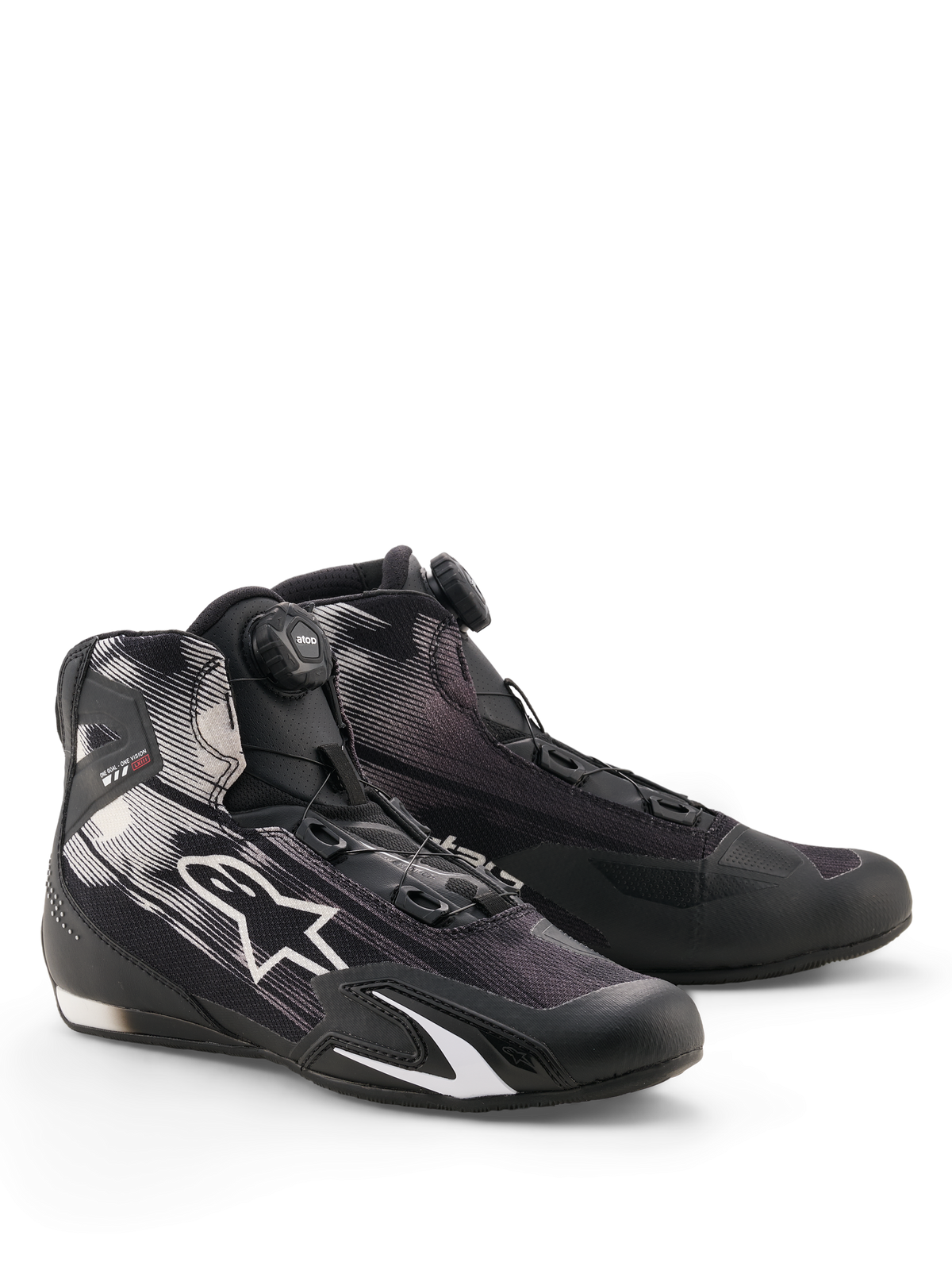
Faster-4 Shoes -
Supertech R Vented Boots -
Supertech R Vented Boots -
Faster-4 Drystar® Shoes -
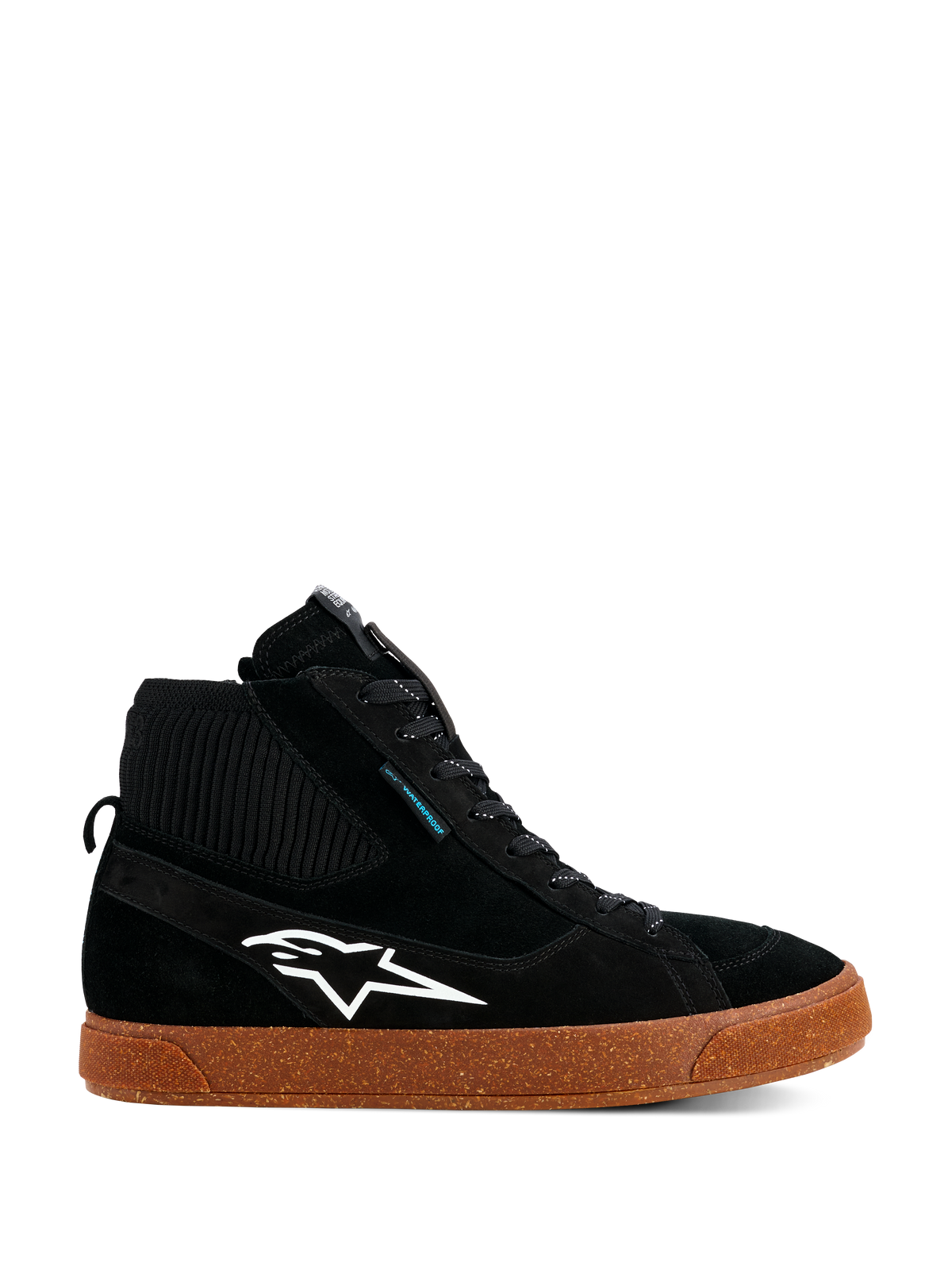
J-6 Waterproof Shoes -
Faster-4 Shoes -
Faster-4 Shoes -
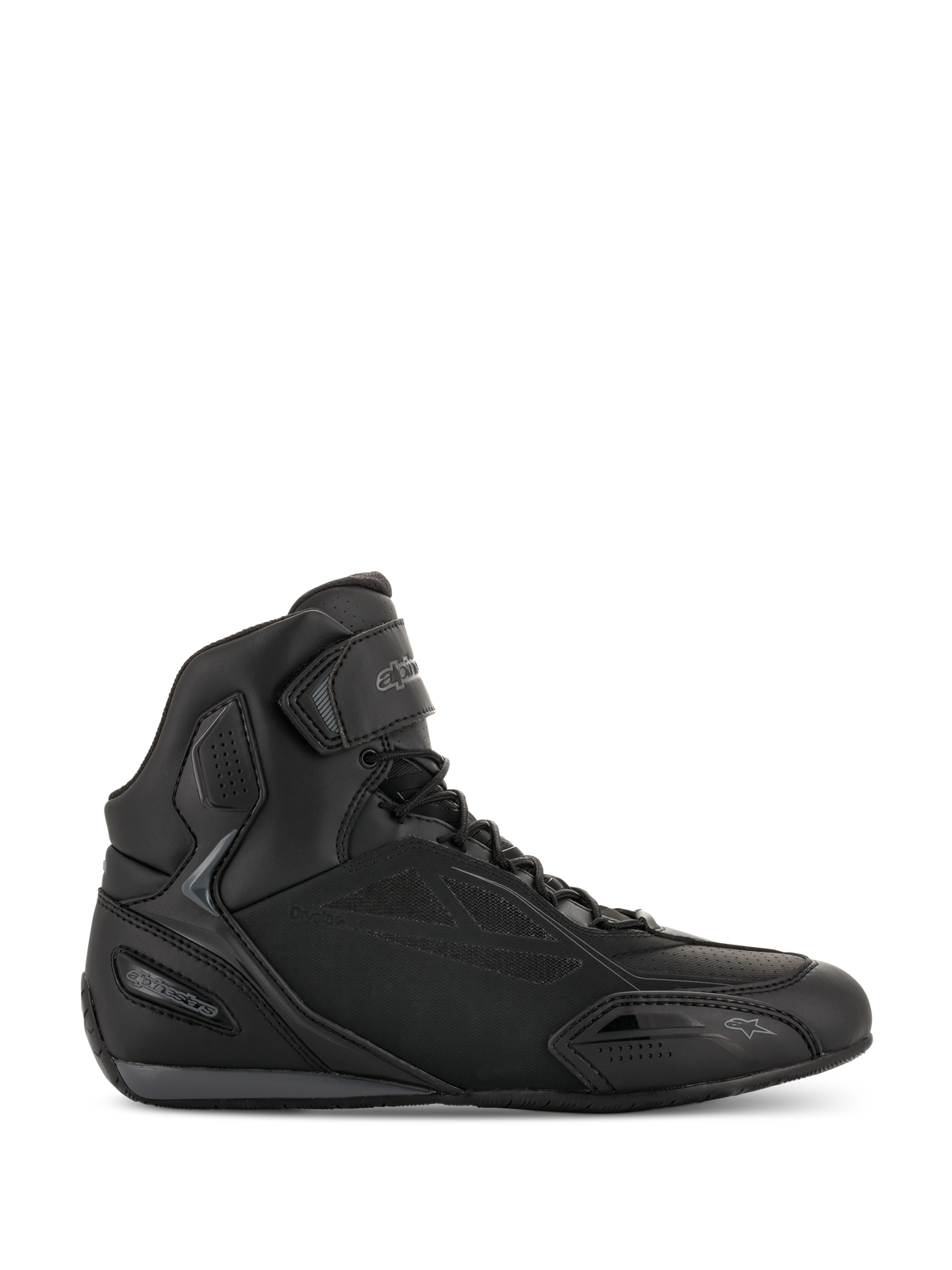
Faster-3 Drystar® Riding Shoes -
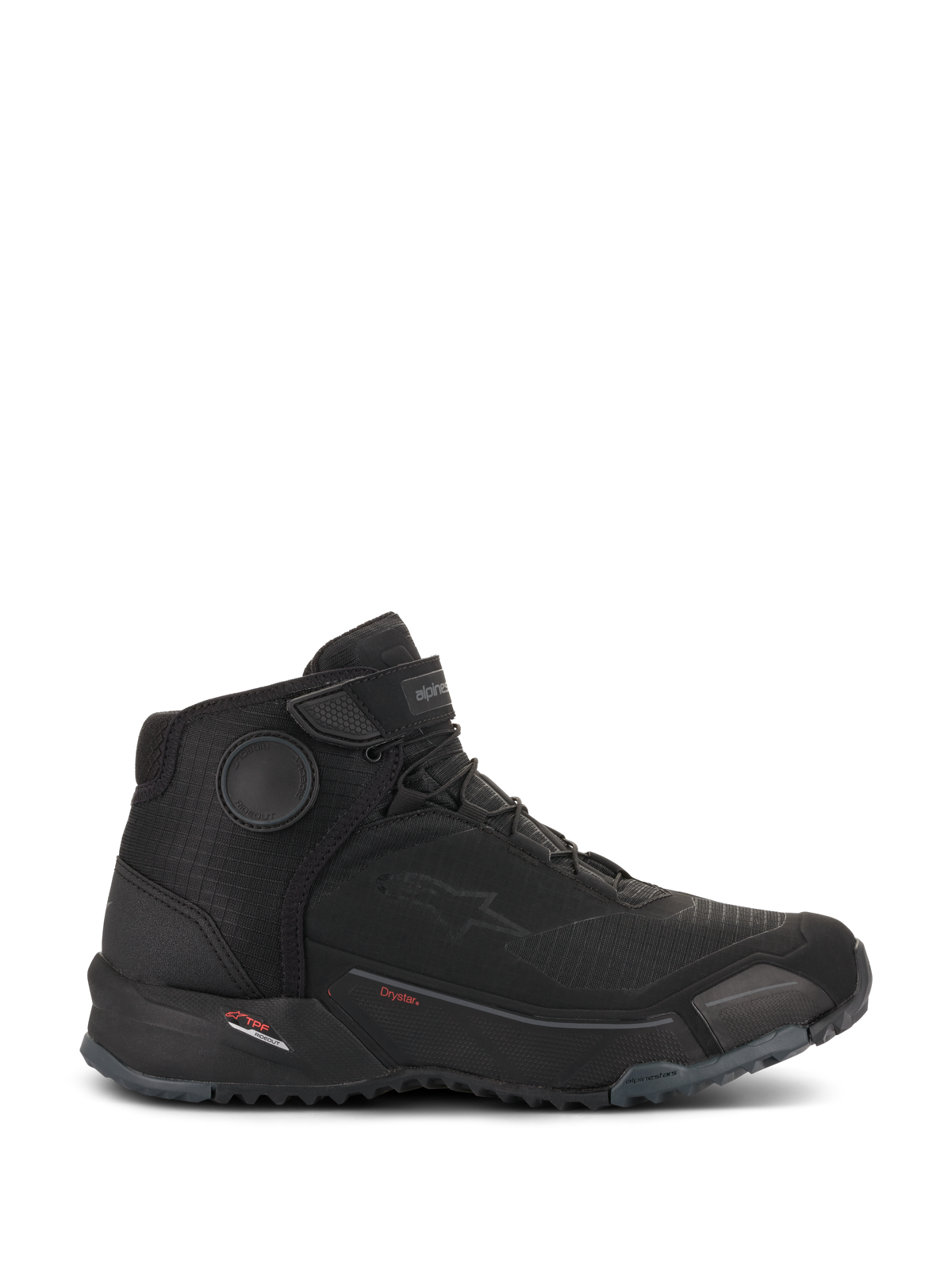
CR-X Drystar® Riding Shoes -
Faster-4 Shoes -
Supertech R Vented Boots -
Supertech R Vented Boots -
SMX S Boots -
Corozal V2 Adventure Drystar® Boots -
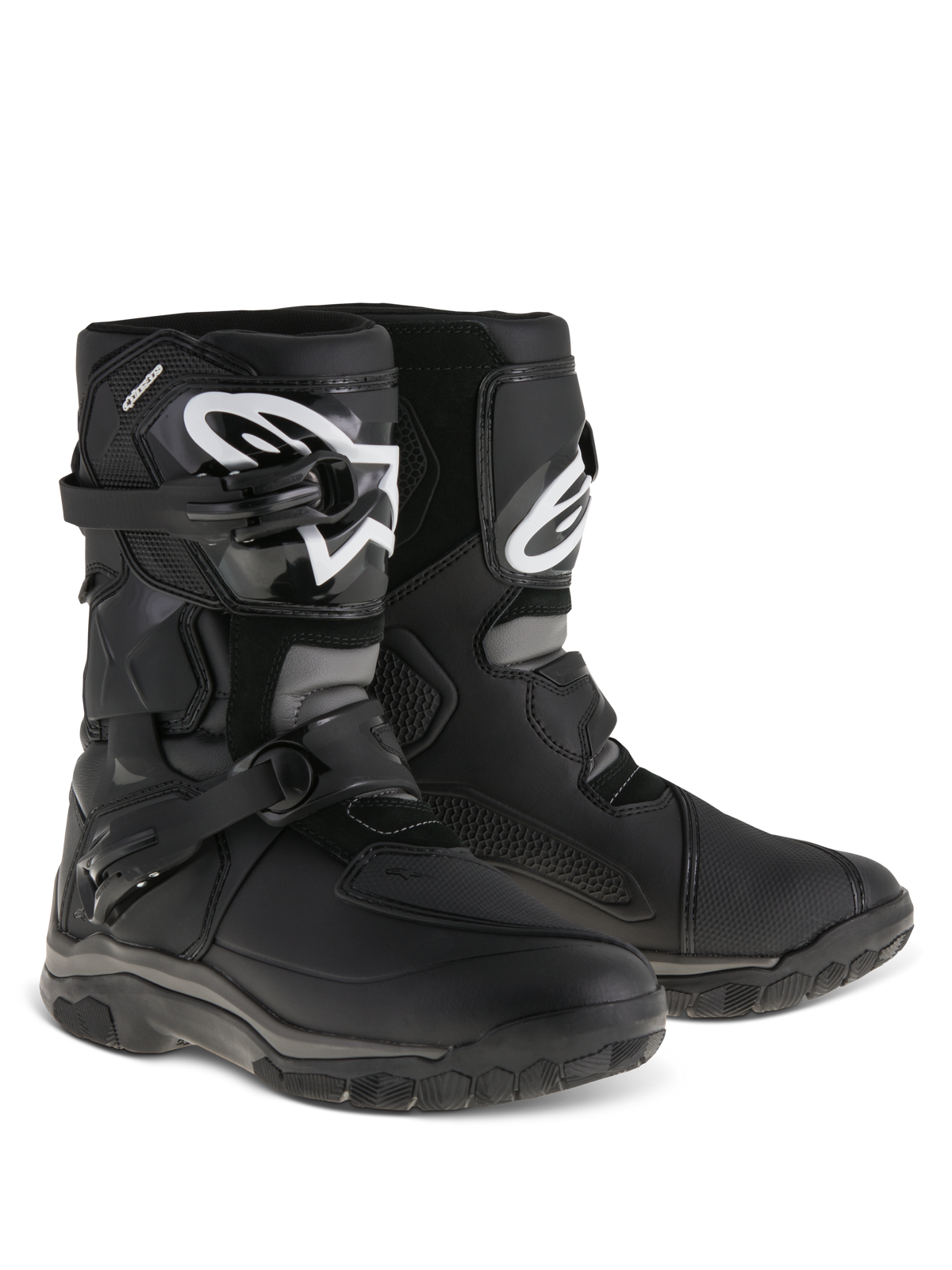
Belize Drystar® Boots -
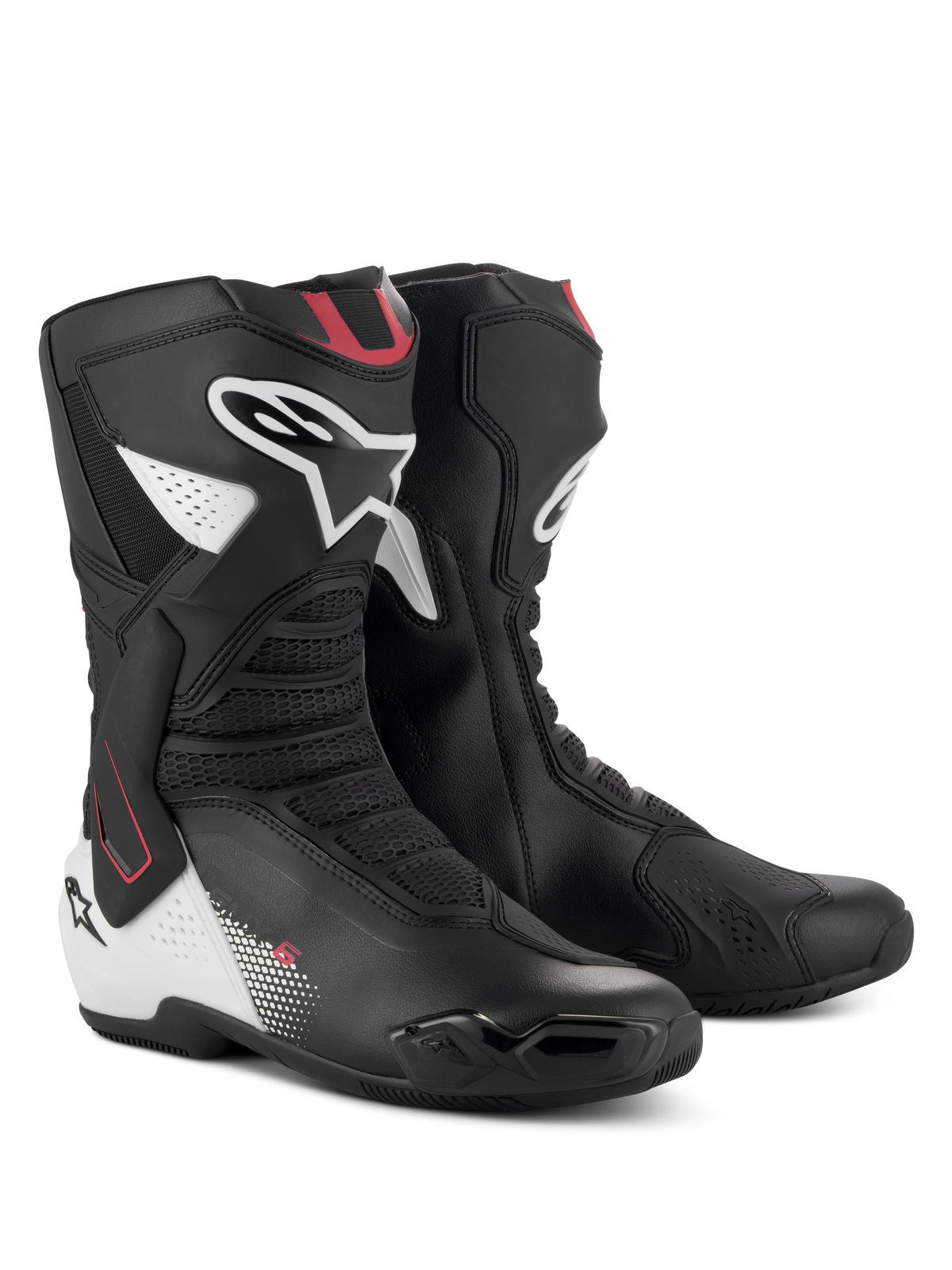
SMX-6 V3 Boots -
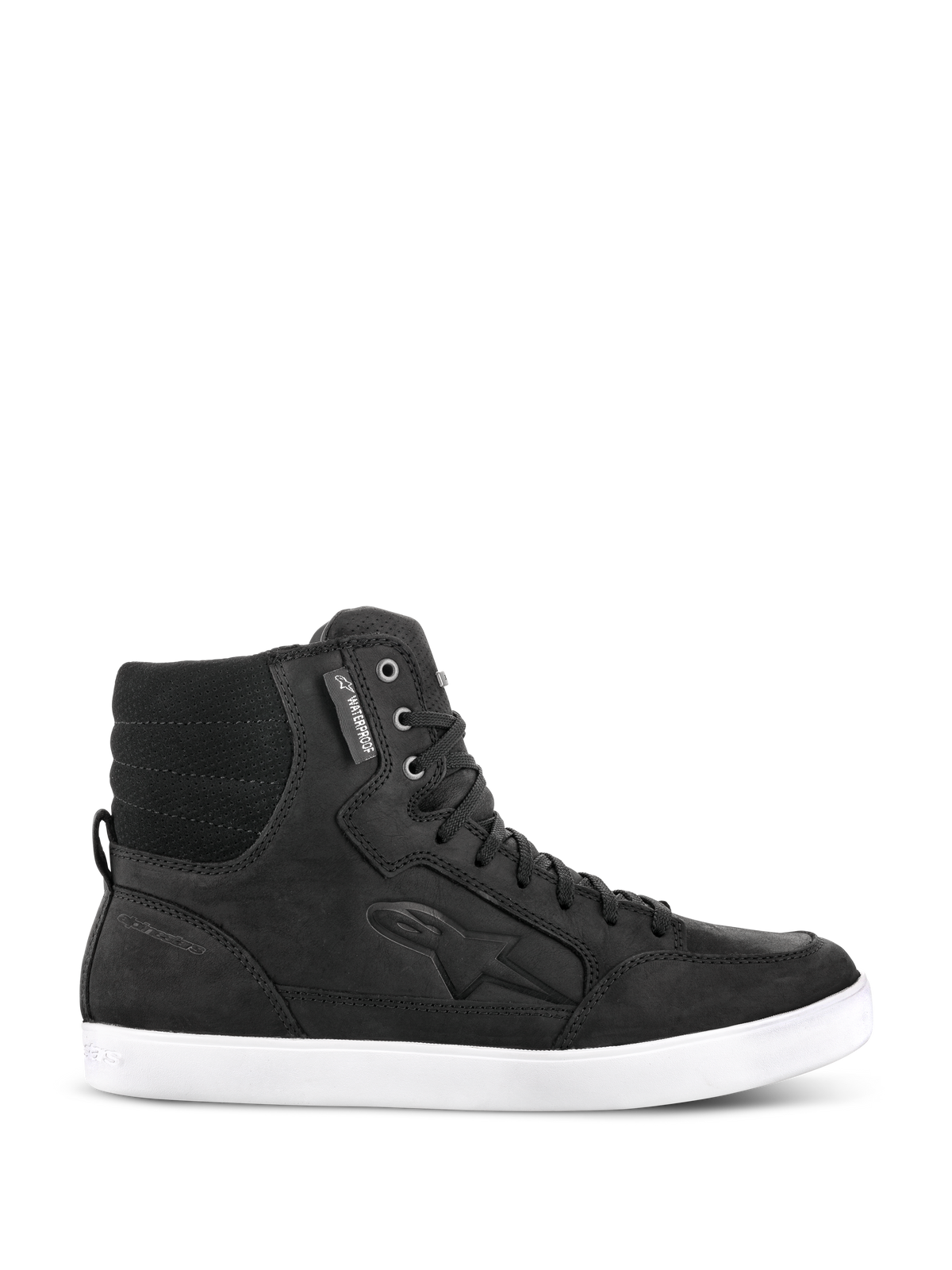
J-6 Waterproof Shoes -
Celer Shoes -
Celer Superair Shoes -
Ride-63 Leather Shoes -
Celer Superair Shoes -
Celer Superair Shoes -
Stated Waterproof Shoes -
SMX-6 V3 Boots -
Sektor Waterproof Shoes -
Sektor Shoes -
Supertech R Boots -
SMX-6 V3 Boots -
J-6 Waterproof Shoes -
Sektor Shoes -
Austin Riding Shoes -
Sektor Shoes -
Supertech R Boots



























Frequently asked questions Hide FAQs
How should motorcycle boots fit and how do I choose the right size?
Use your foot length and the size chart on each product page to select the correct EU size. A proper fit feels snug around the heel and ankle with minimal heel lift, while allowing natural toe splay and a small amount of wiggle room. Wear the socks you ride in when measuring and test fit in a seated and standing riding stance.
Boots will break in slightly but should not cause numbness or pressure points. If you plan to use thicker riding socks or insoles, account for that volume. For all-day commuting or walking, prioritize secure ankle hold and forefoot comfort over a race-tight fit.
What’s the difference between racing boots, touring/adventure boots, and urban riding shoes?
| Type | Primary use | Protection focus | Walkability |
|---|---|---|---|
| Racing/Sport boots | Track and aggressive road | Max ankle/shin bracing; high abrasion; stiff soles | Lowest |
| Touring/Adventure boots | Long-distance road or mixed terrain | Comprehensive coverage; often waterproof; grippy soles | Moderate |
| Urban riding shoes | City/commute, casual wear | Reinforced toe/heel/ankle; lighter structure | Highest |
To browse by use case, see sport and road boots, adventure motorcycle boots, and road riding shoes.
Are these motorcycle boots CE certified, and what does EN 13634 Level 1 vs Level 2 mean?
Most Alpinestars motorcycle footwear is CE-certified to EN 13634, the European standard for motorcyclists’ protective boots and shoes. Labels typically show EN 13634:2017 and a sequence of digits covering boot height, abrasion resistance, cut resistance, and transverse rigidity. Each test is graded Level 1 or Level 2.
Level 2 indicates higher performance thresholds than Level 1. Some models may also list optional features such as waterproofing. Always check the product description and label to confirm the exact certification and levels.
Are these boots waterproof, and how do waterproof membranes compare to ventilated designs?
Many touring and commuting-oriented models use a waterproof/breathable membrane (e.g., a laminated or bootie construction) to keep rain out while managing internal moisture. This is best for wet or variable climates and pairs well with rain pants to prevent water entry from the top.
Ventilated or perforated designs prioritize airflow for hot weather but are not intended for sustained rain. Choose based on your primary climate: membrane-equipped boots for frequent wet conditions, vented constructions for heat and dry weather.
How do I clean and care for leather or textile motorcycle boots?
Remove laces/insoles, brush off dirt, and wipe the exterior with a damp cloth and mild soap. Rinse lightly and air dry away from direct heat; do not tumble dry or place near radiators. Once dry, condition leather with a suitable product and reproof waterproof shells when water stops beading.
For textile panels and interiors, spot clean and let them dry fully before reinserting insoles. Regular care preserves waterproofing, maintains flexibility, and extends the service life of the boot.