
31 results
-
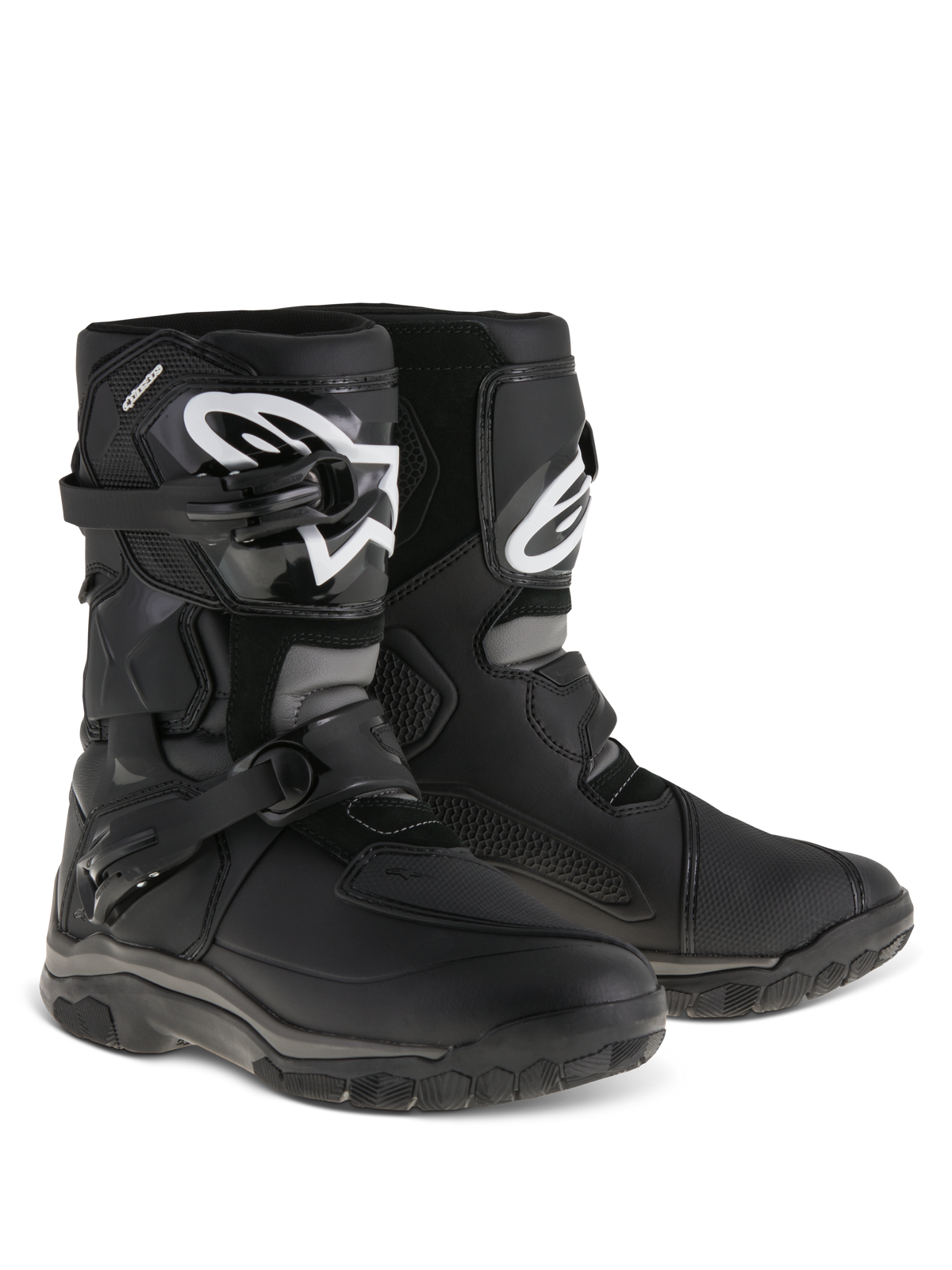
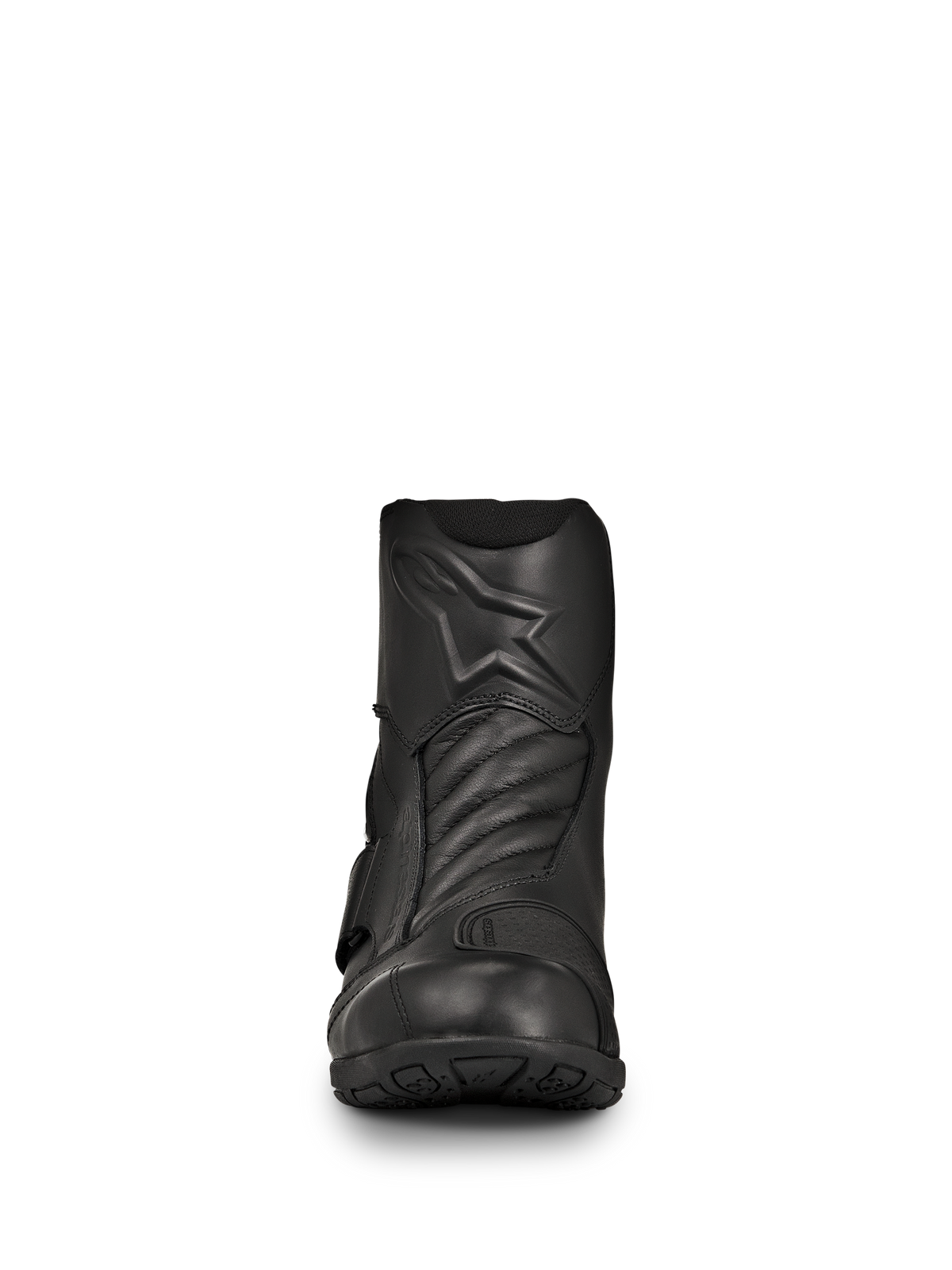
Belize Drystar® Boots -
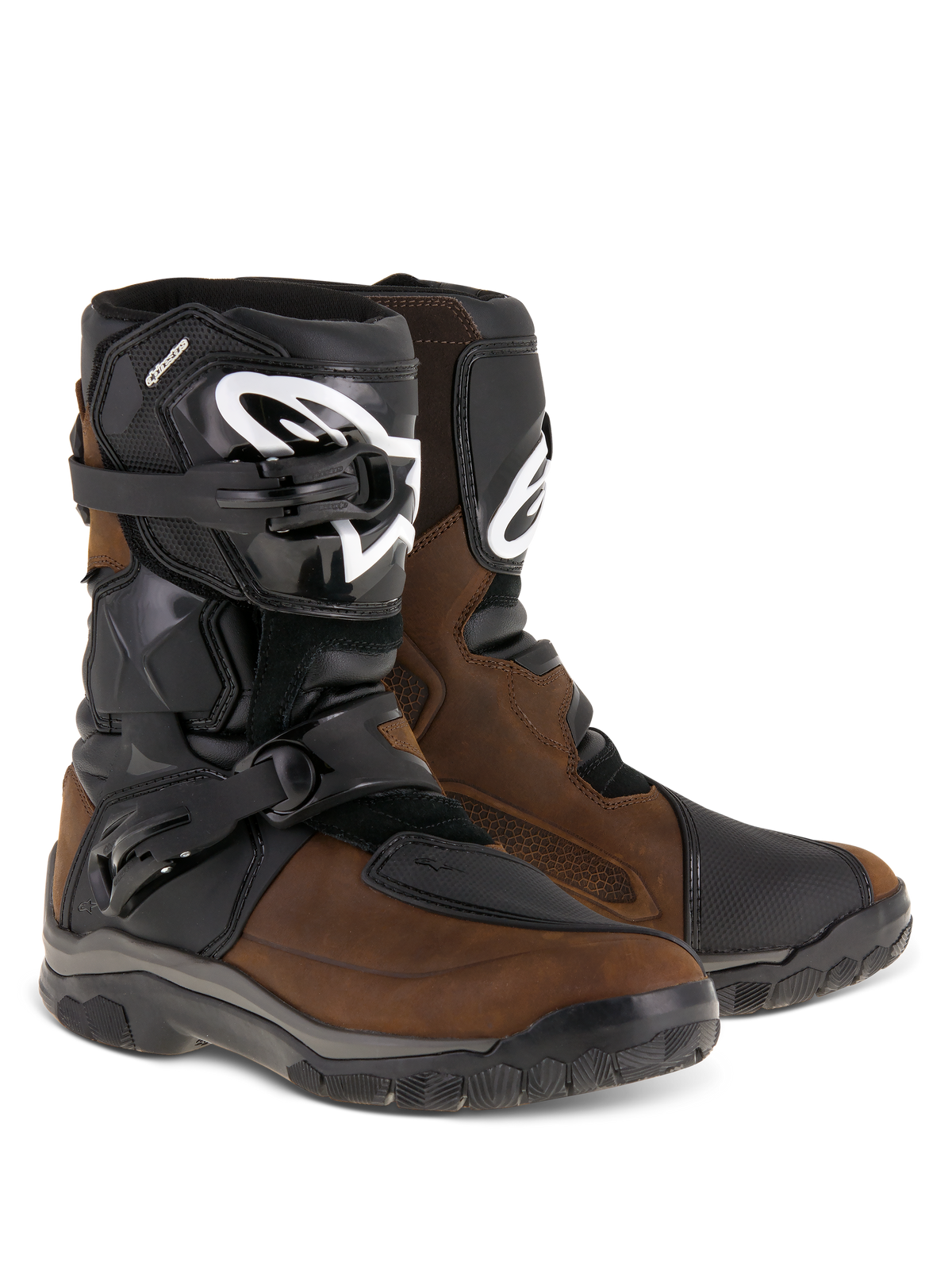
Belize Drystar® Boots -
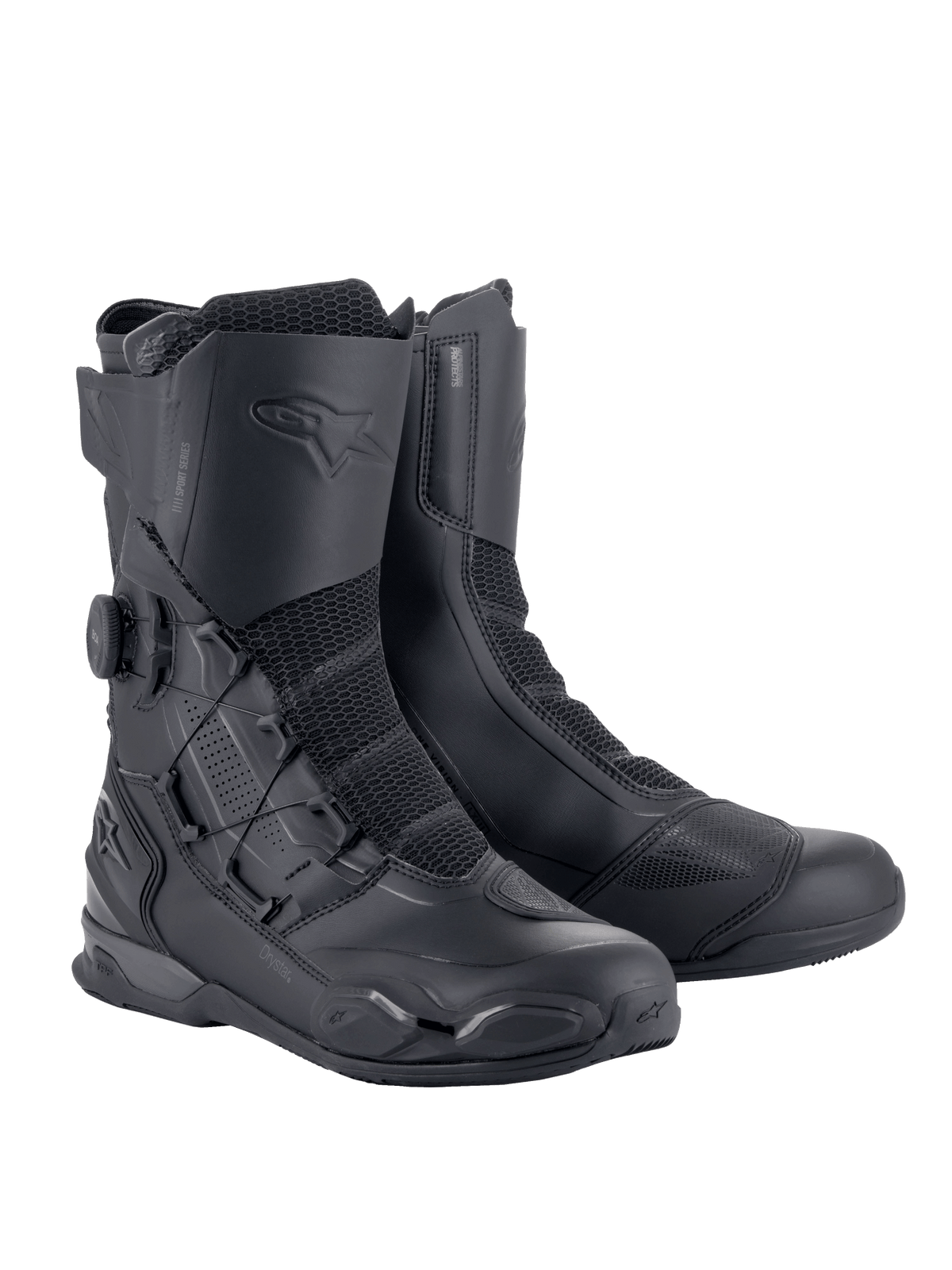
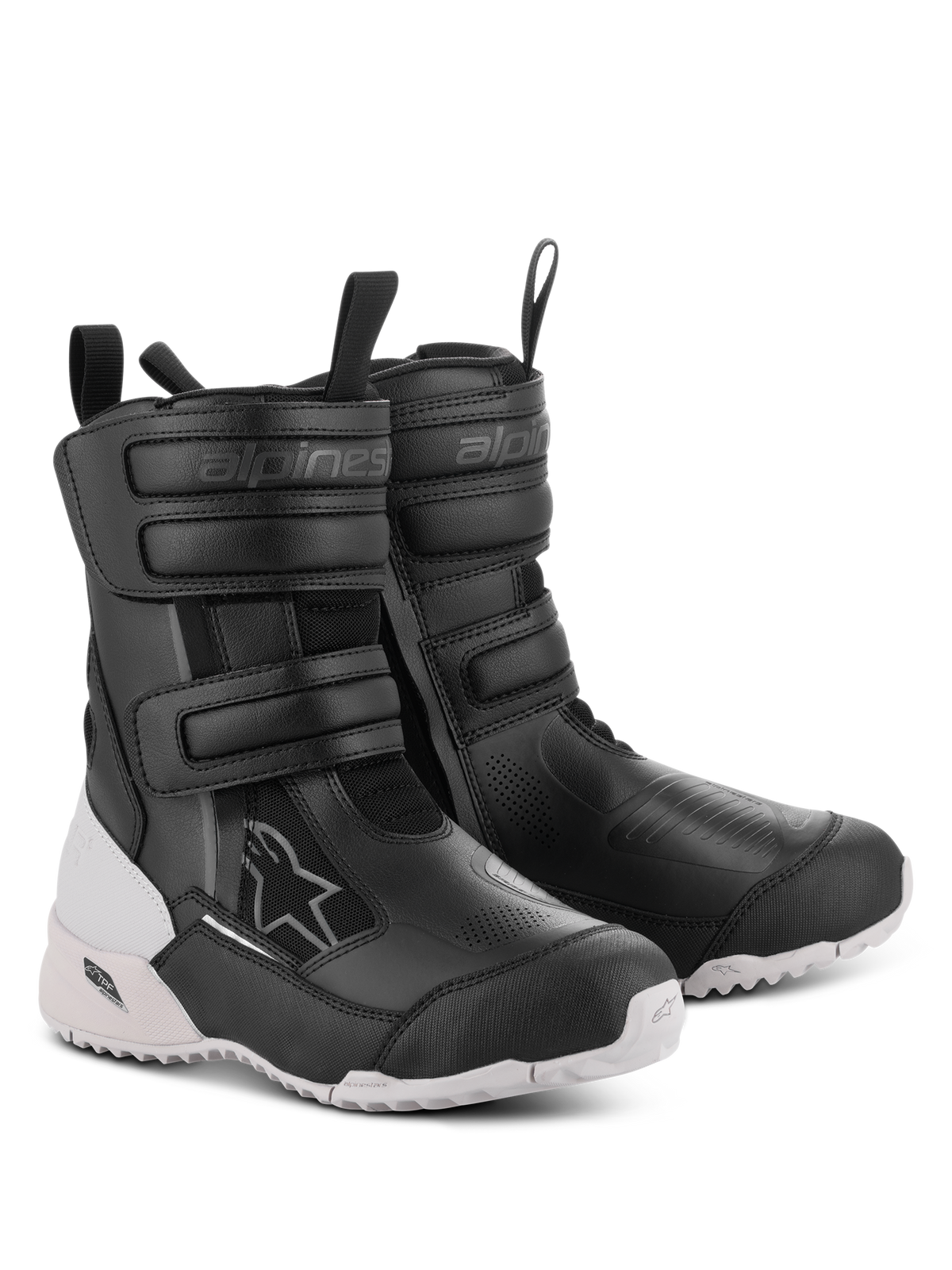
SP-X BOA® Drystar® Boots -
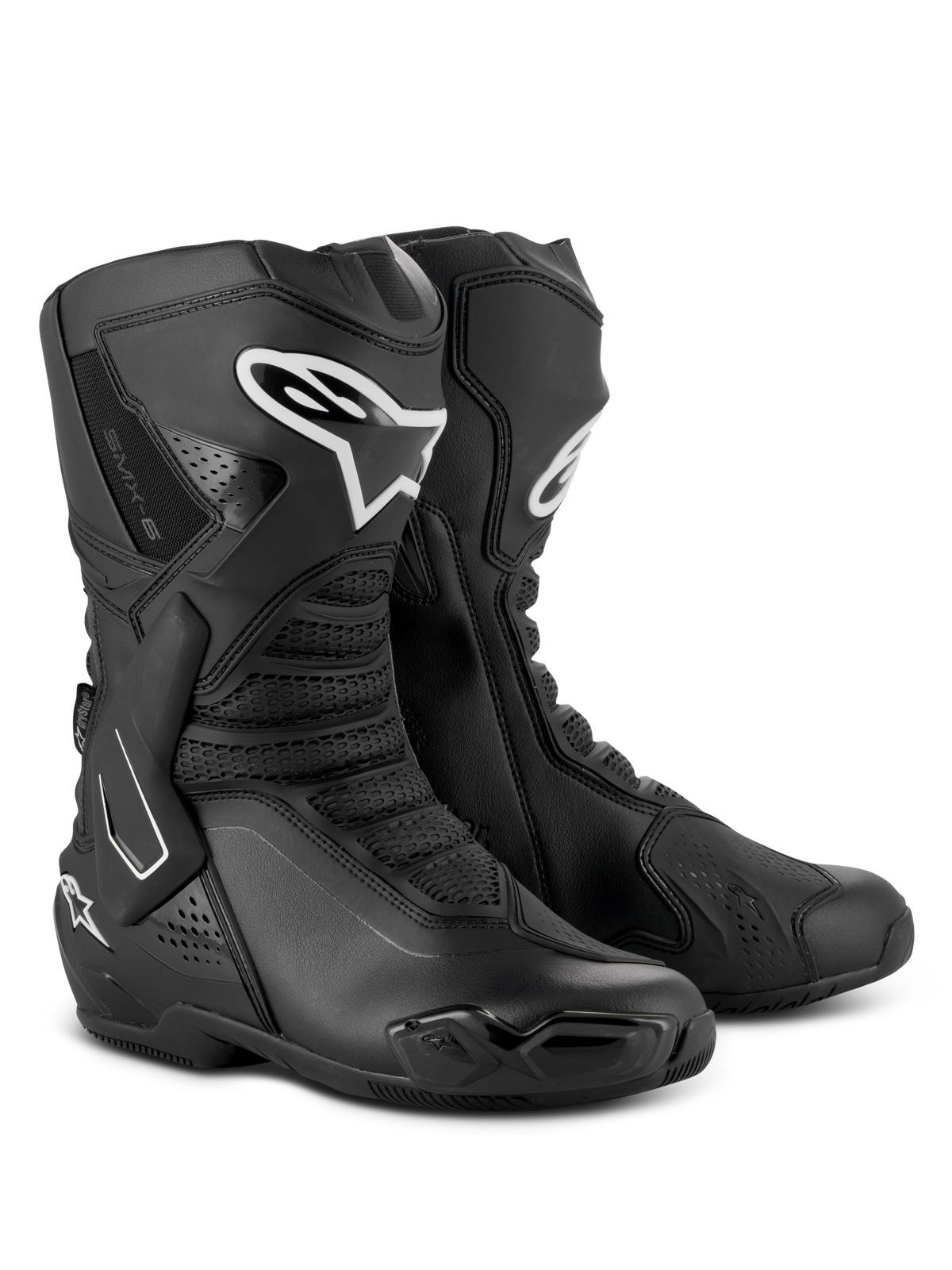
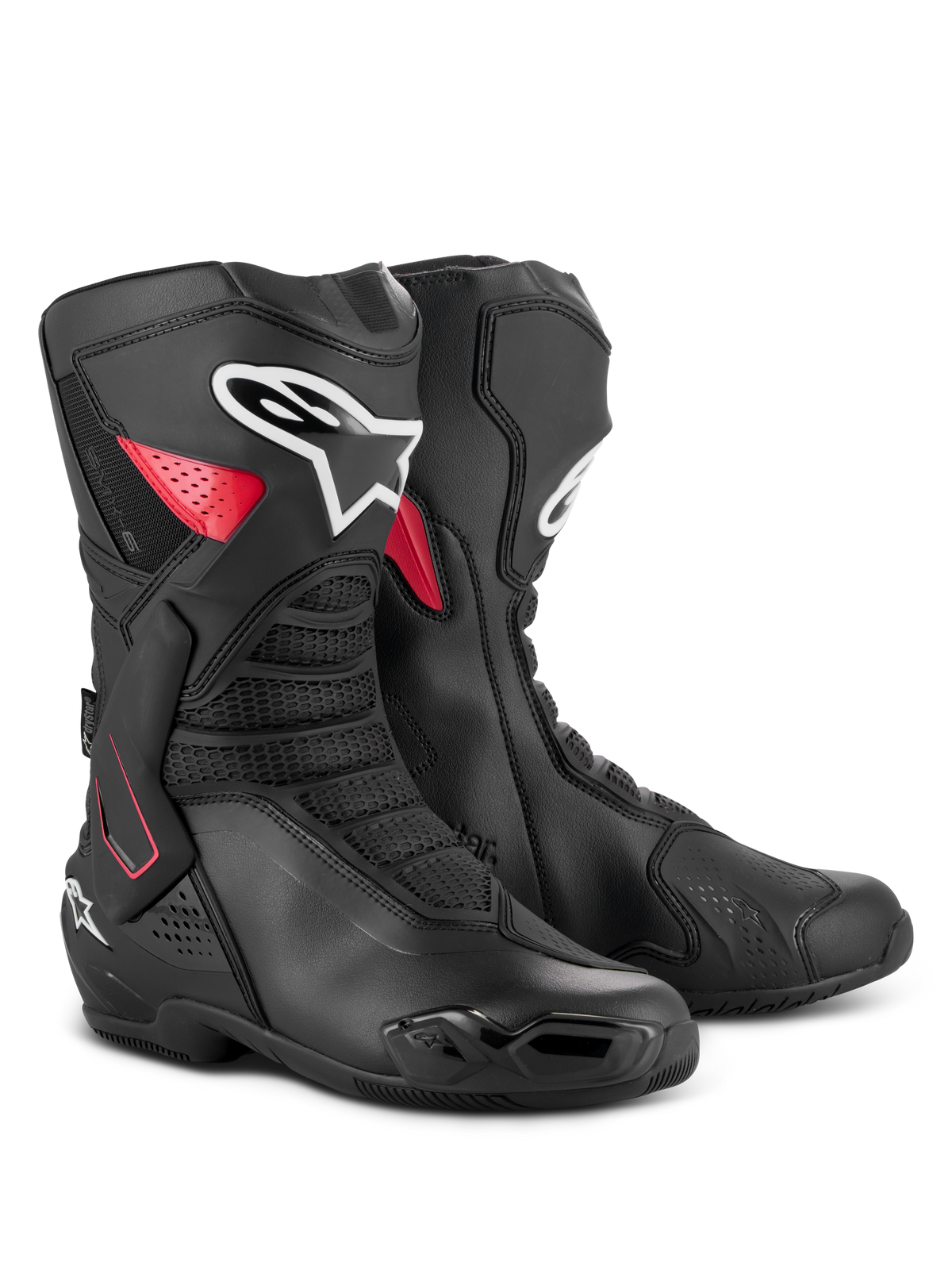
Stella SMX-6 V3 Drystar® Boots -
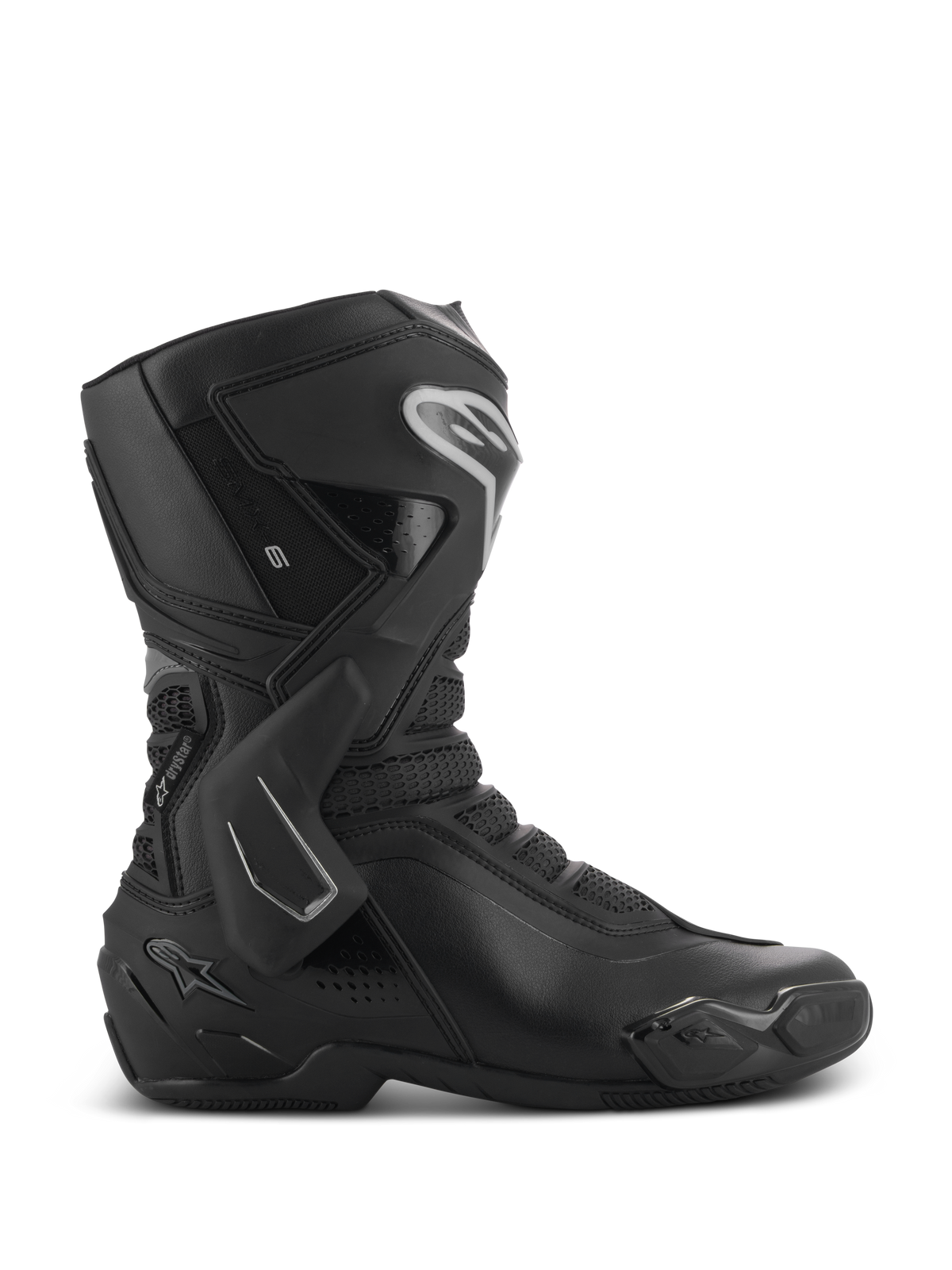
SMX-6 V3 Drystar® Boots -
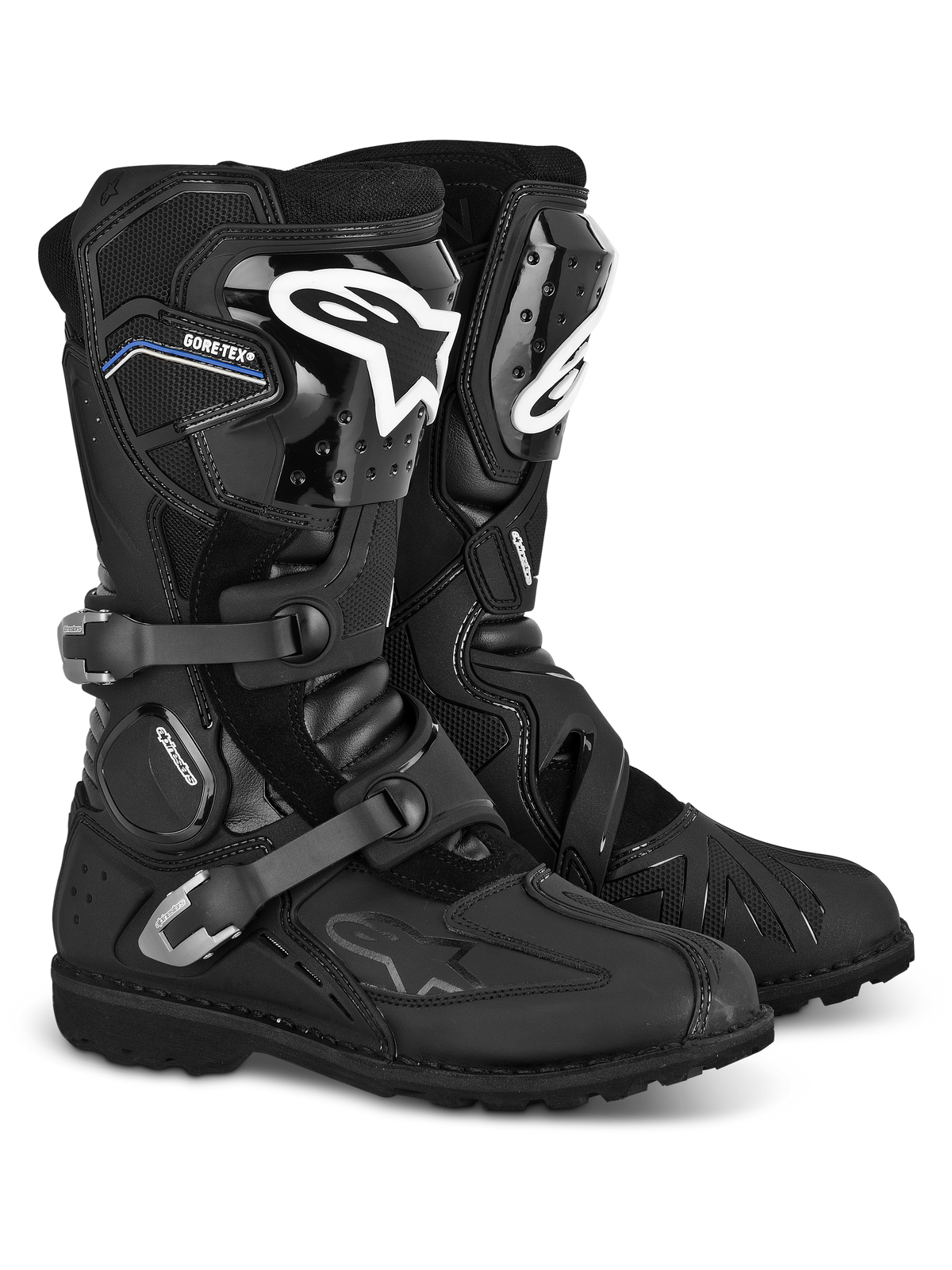
Toucan GORE-TEX Boots -
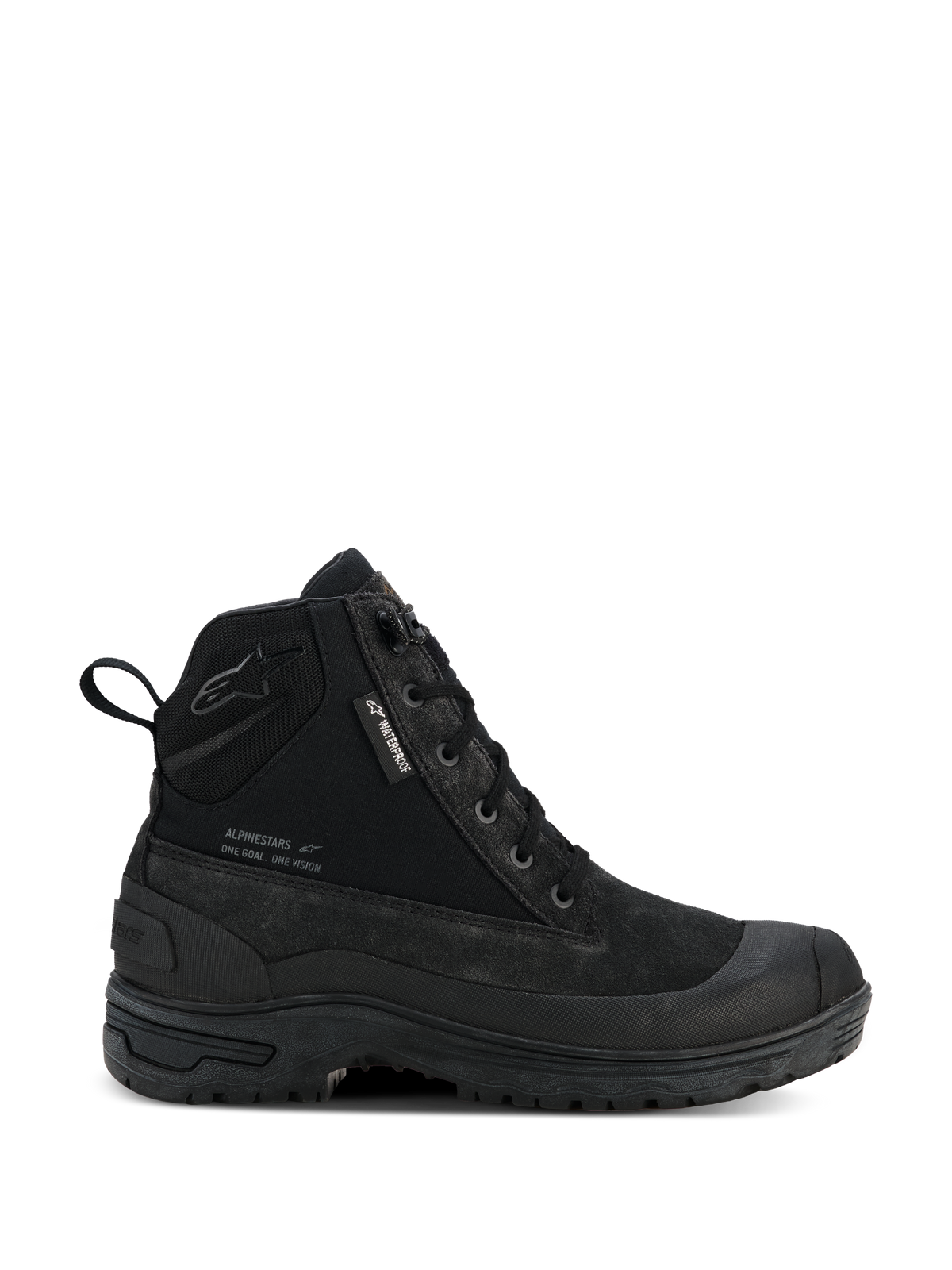
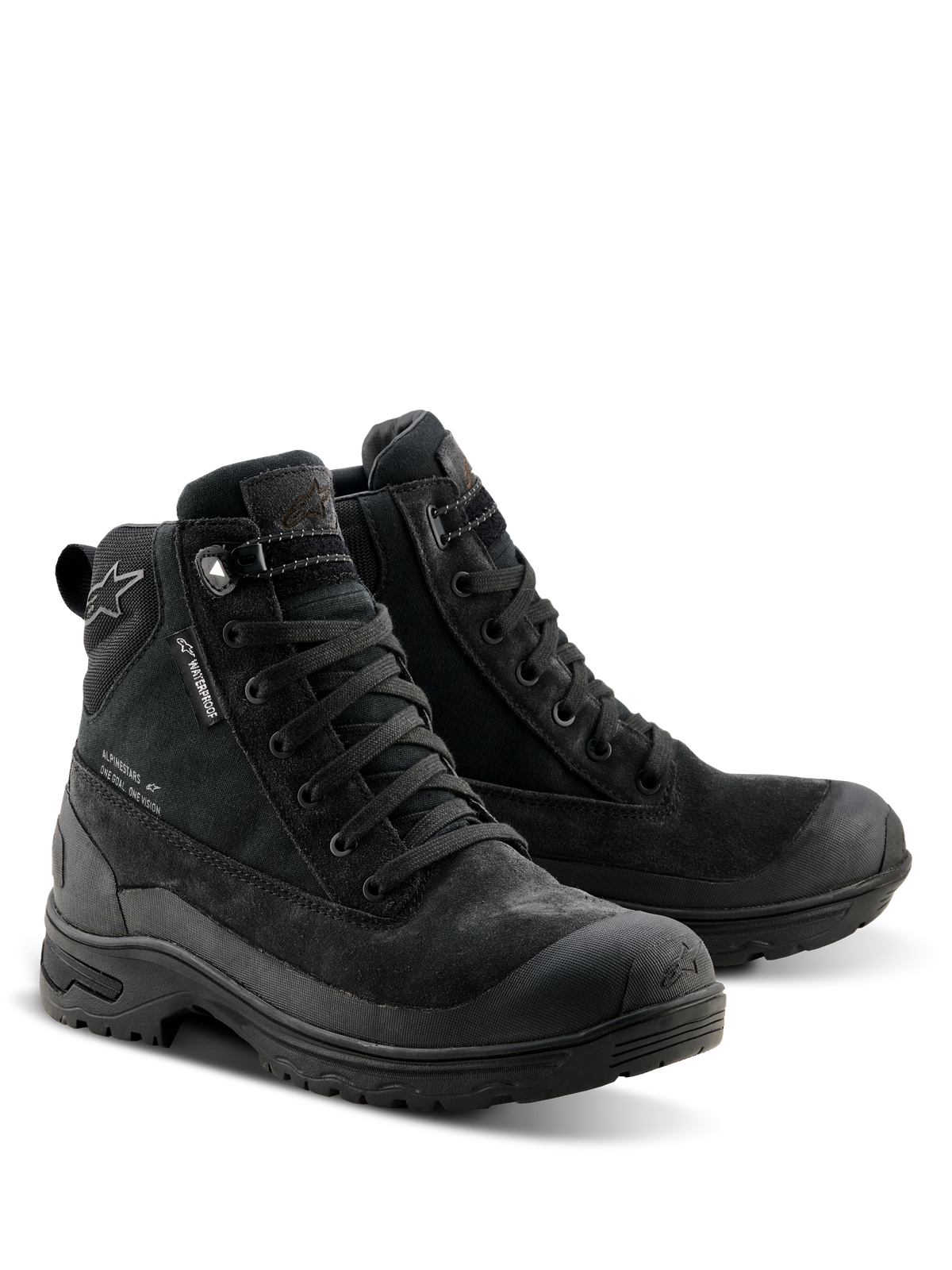
Judy Waterproof Boots -
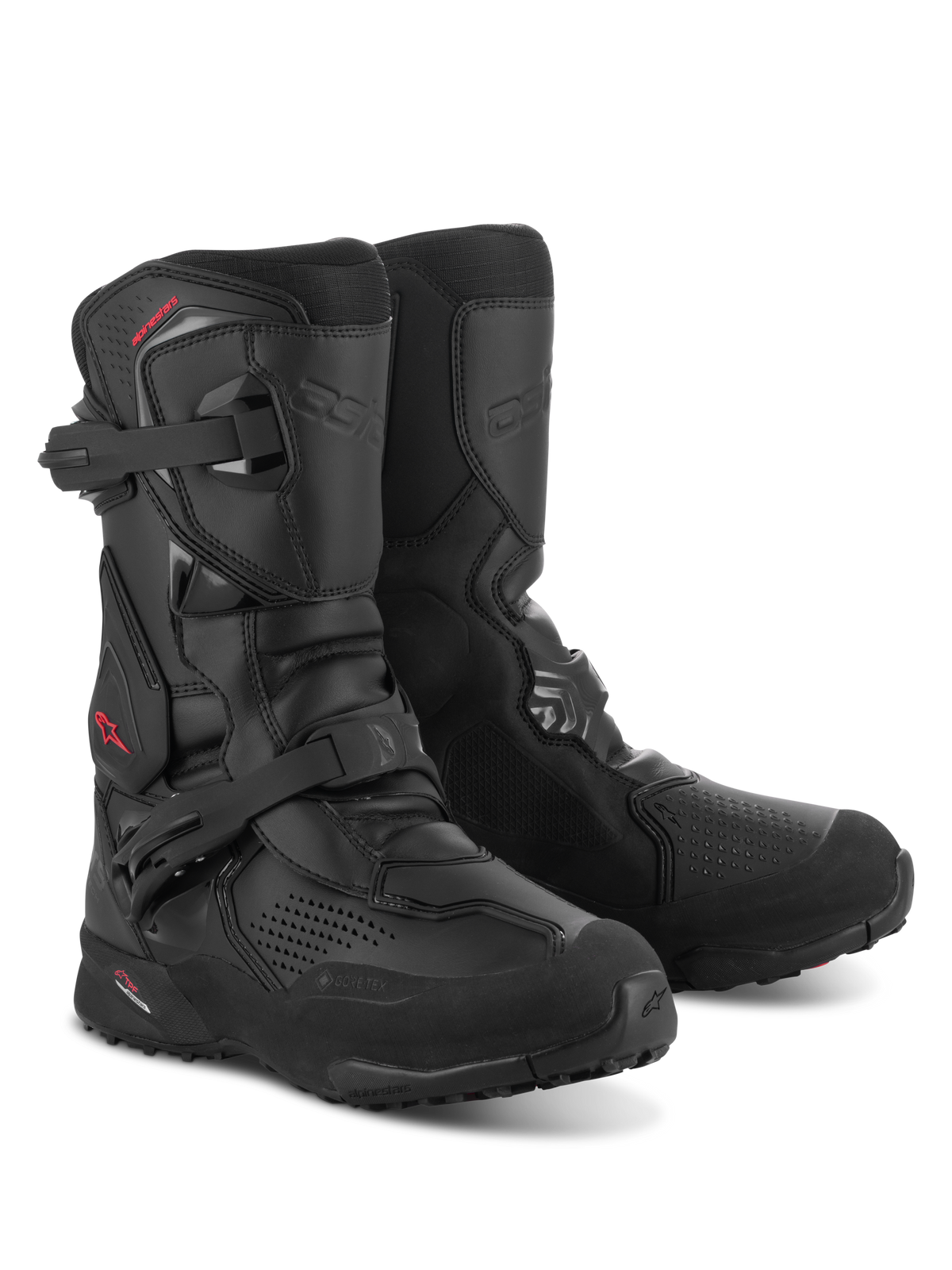
XT-8 GORE-TEX Boots -
Stella RT-7 Touring Drystar® Boots -
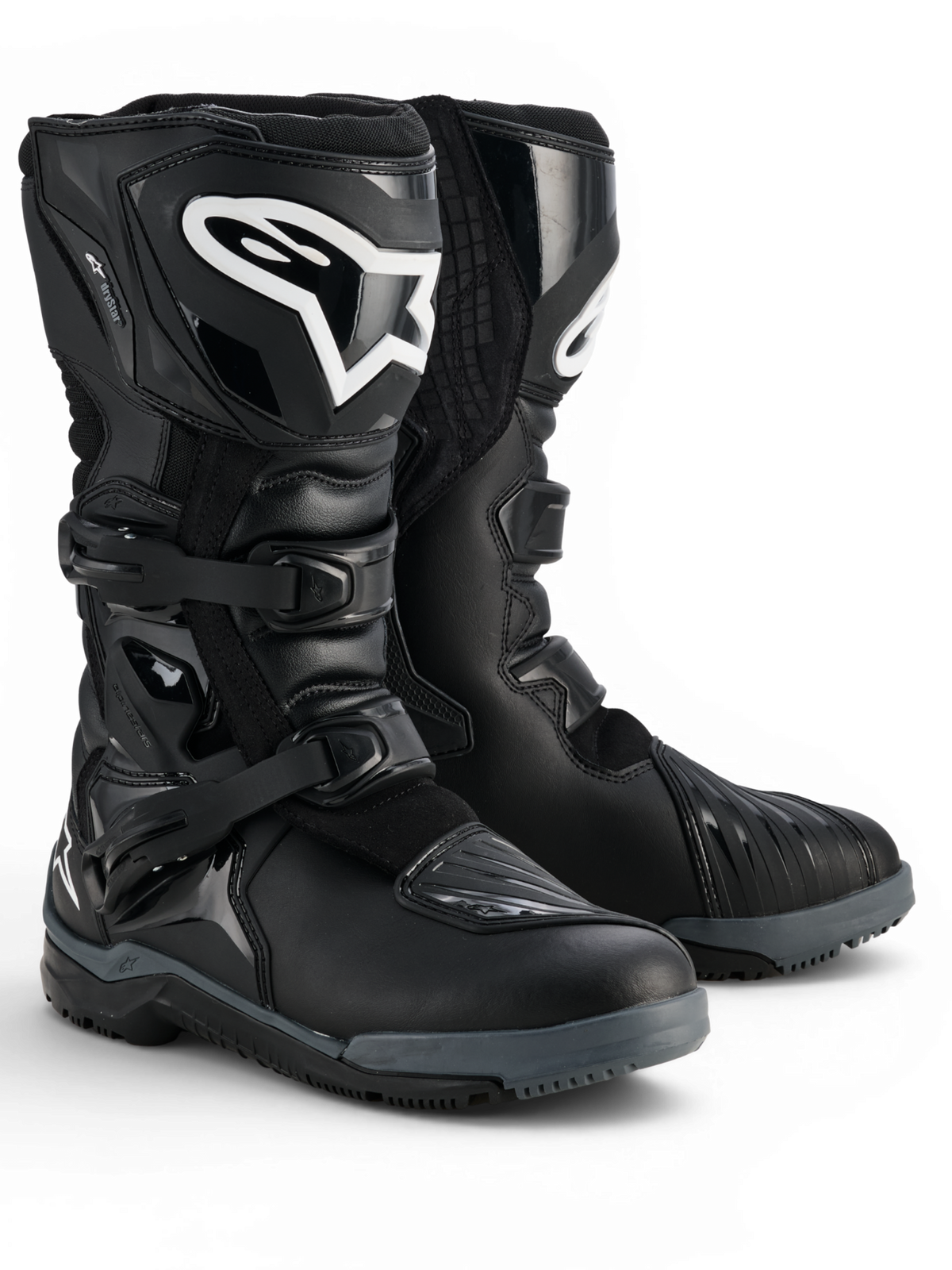
Corozal V2 Adventure Drystar® Boots -
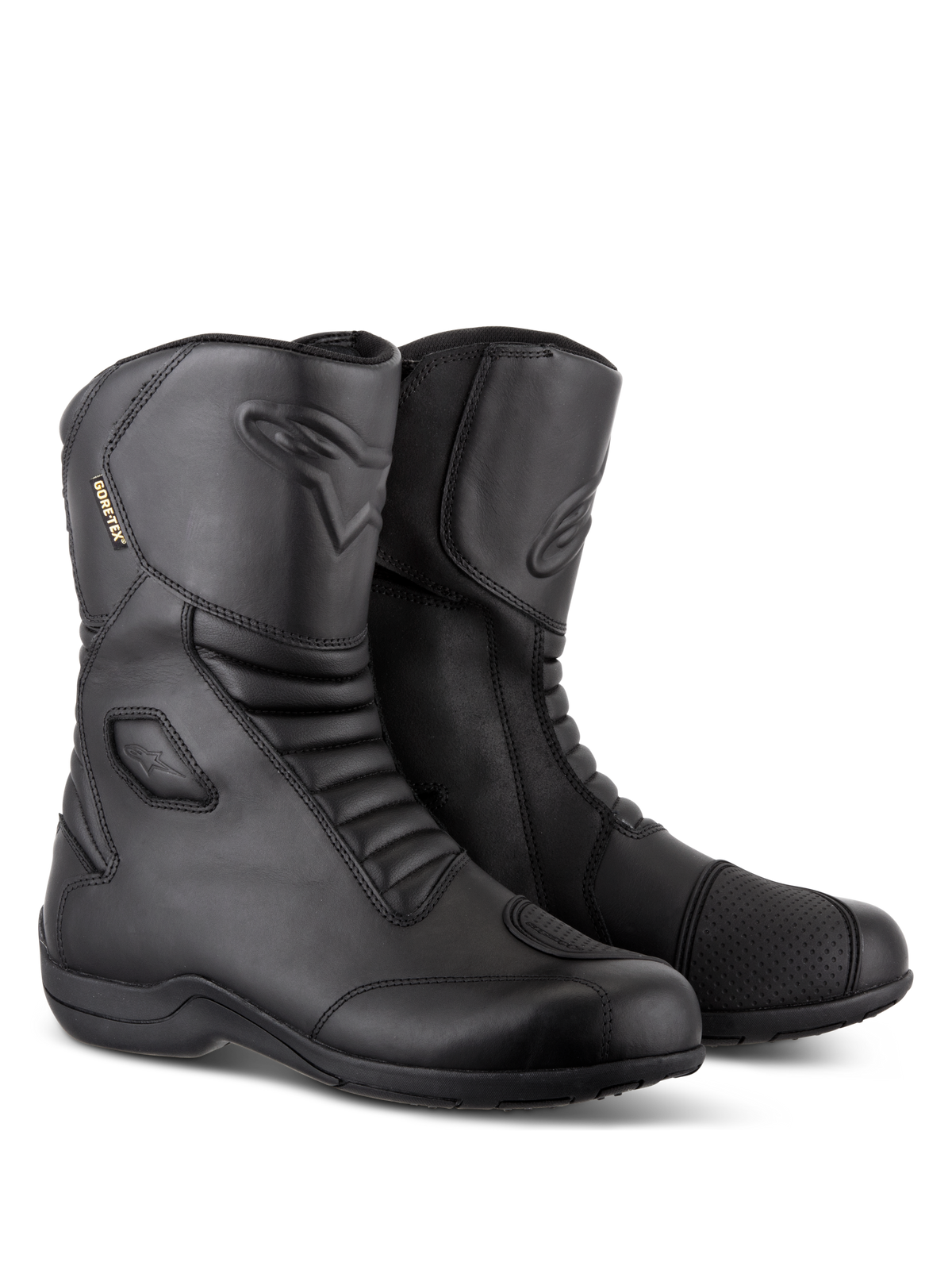
Web GORE-TEX Boots -
Corozal V2 Adventure Drystar® Boots -
Stella SMX-6 V3 Drystar® Boots -
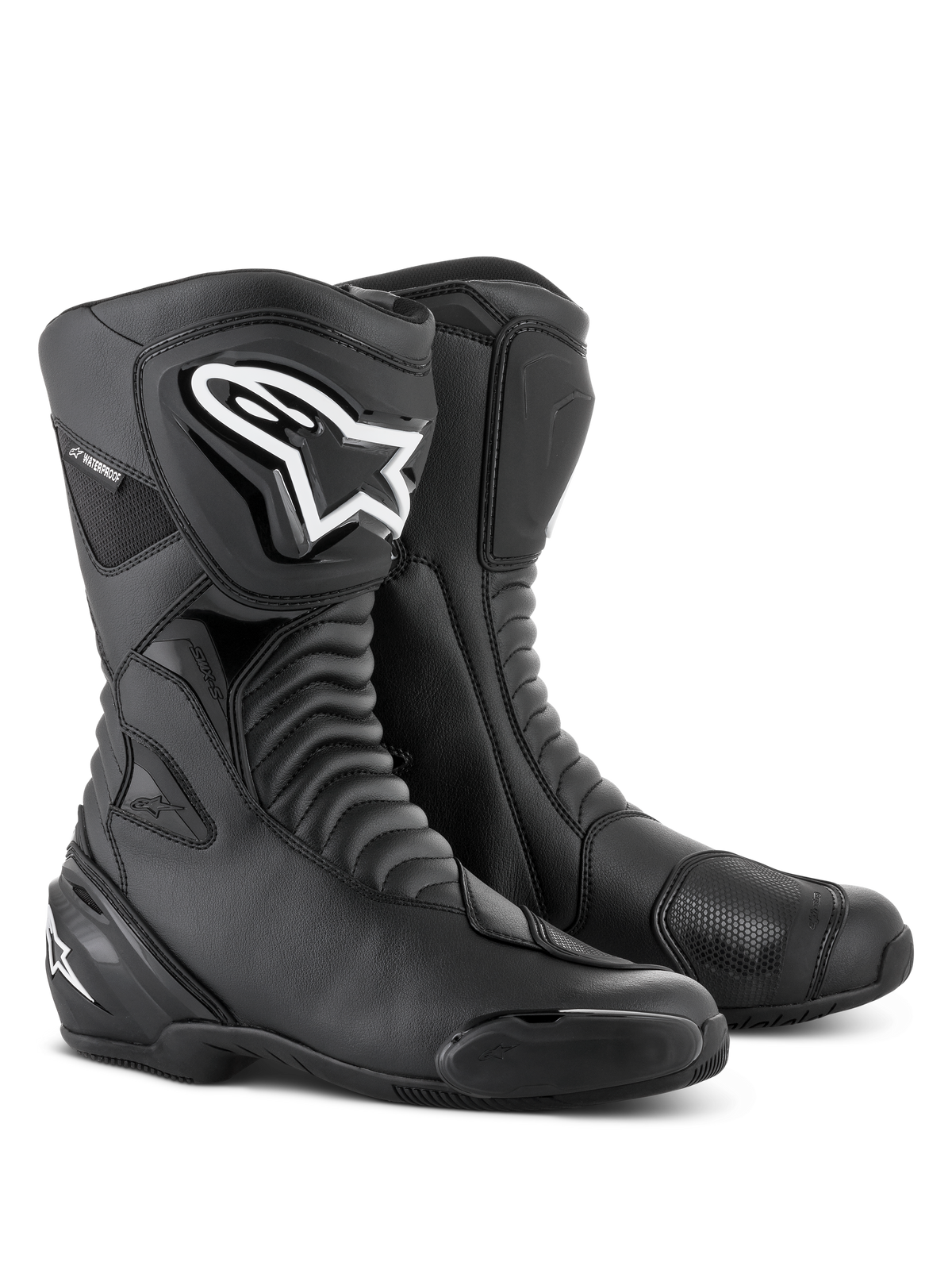
SMX S Waterproof Boots -
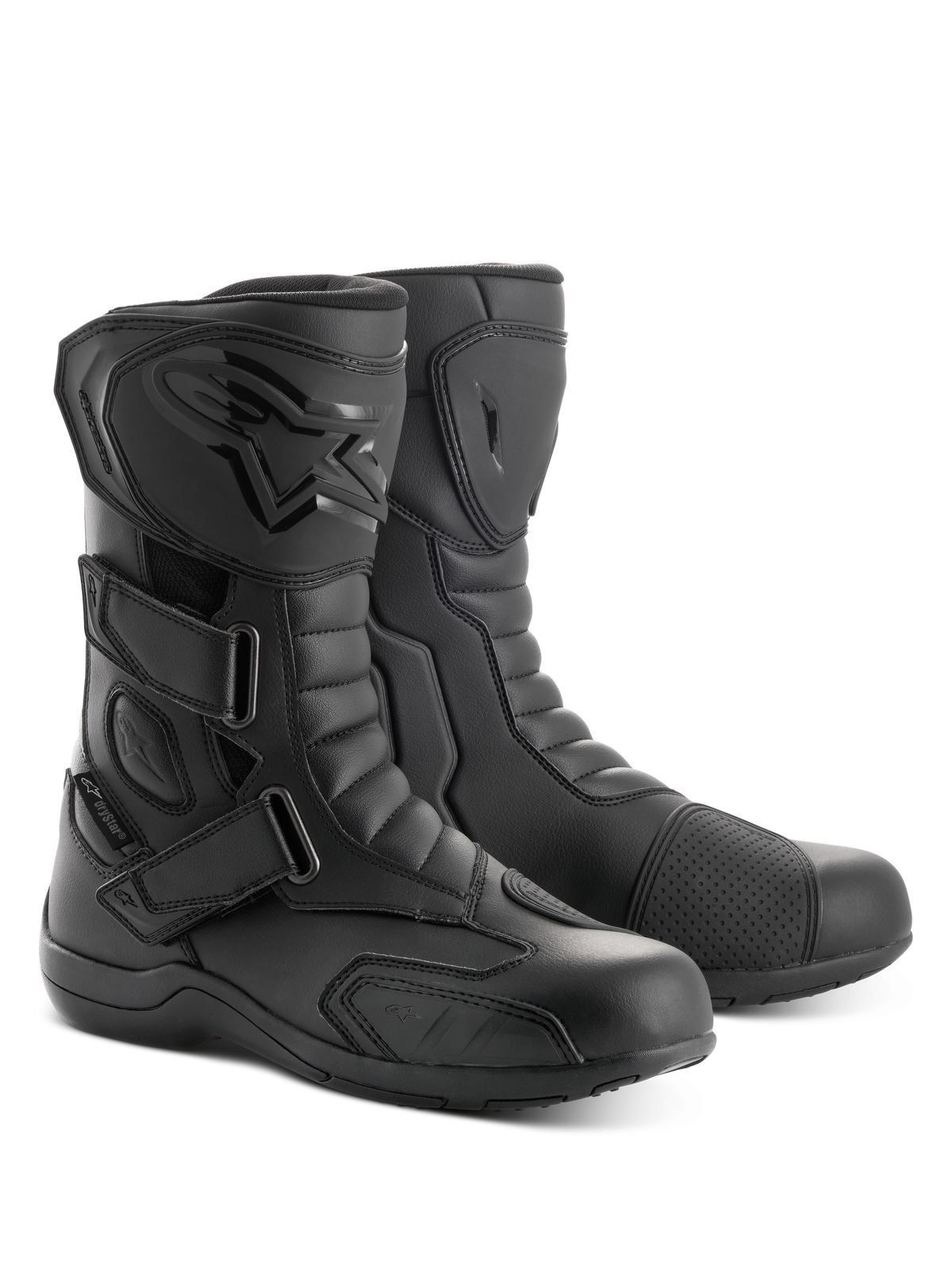
Radon Drystar® Boots -
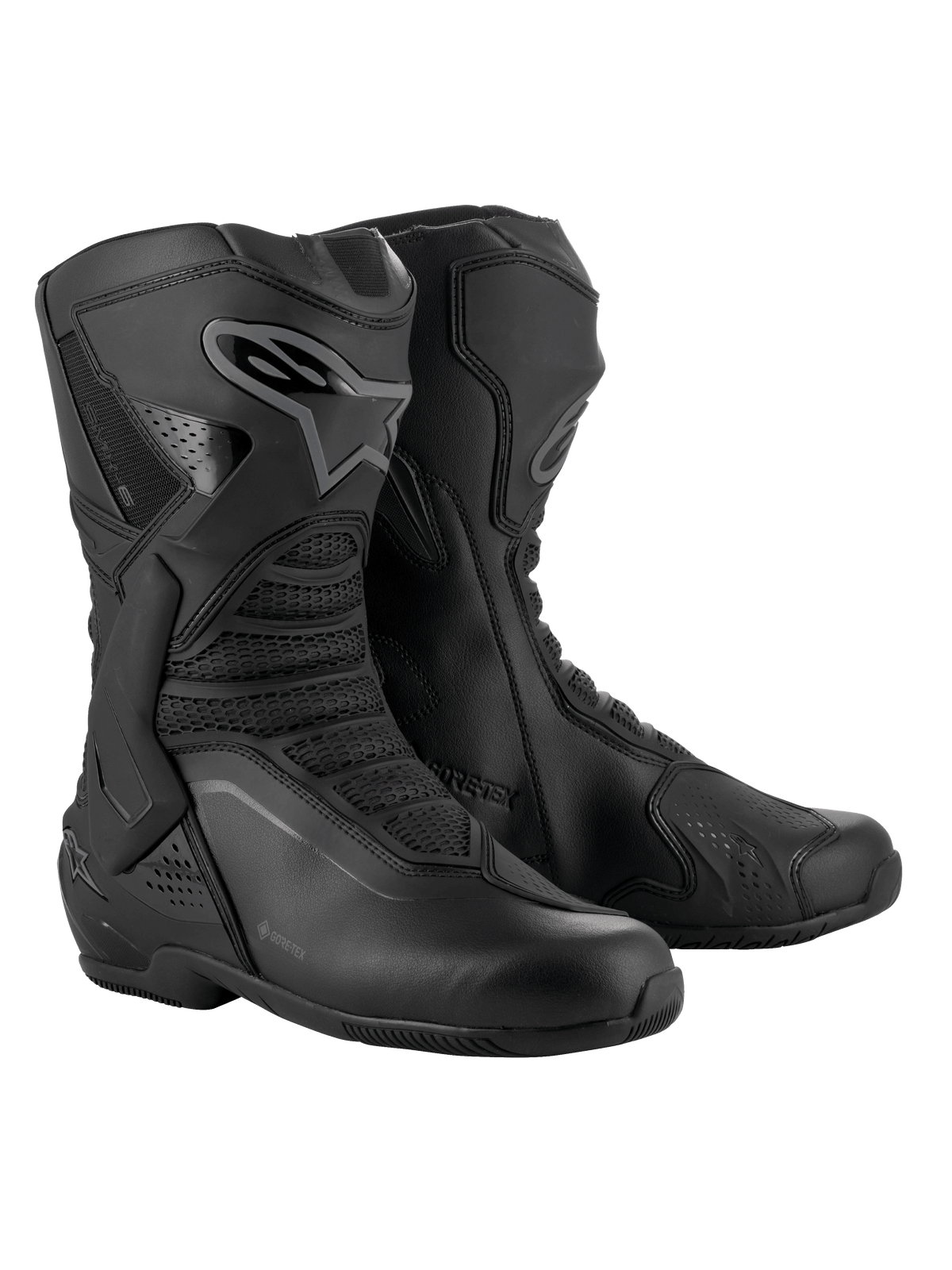
SMX-6 V3 GORE-TEX Boots -
Stella RT-7 Touring Drystar® Boots -
SMX-6 V3 Drystar® Boots -
Origin Drystar® Boots -
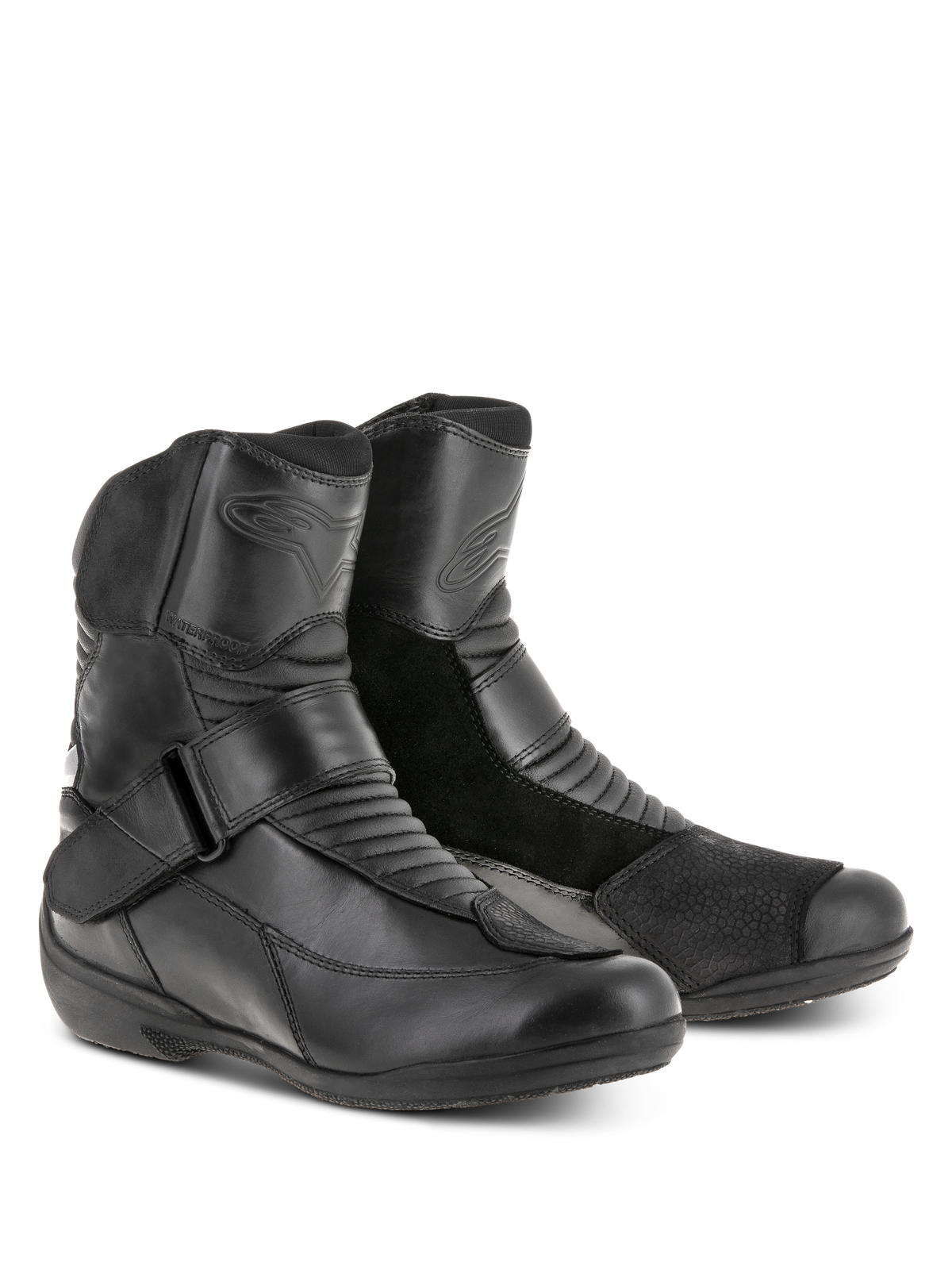
Stella Valencia Waterproof Boots -
Belize V2 Drystar® Boots -
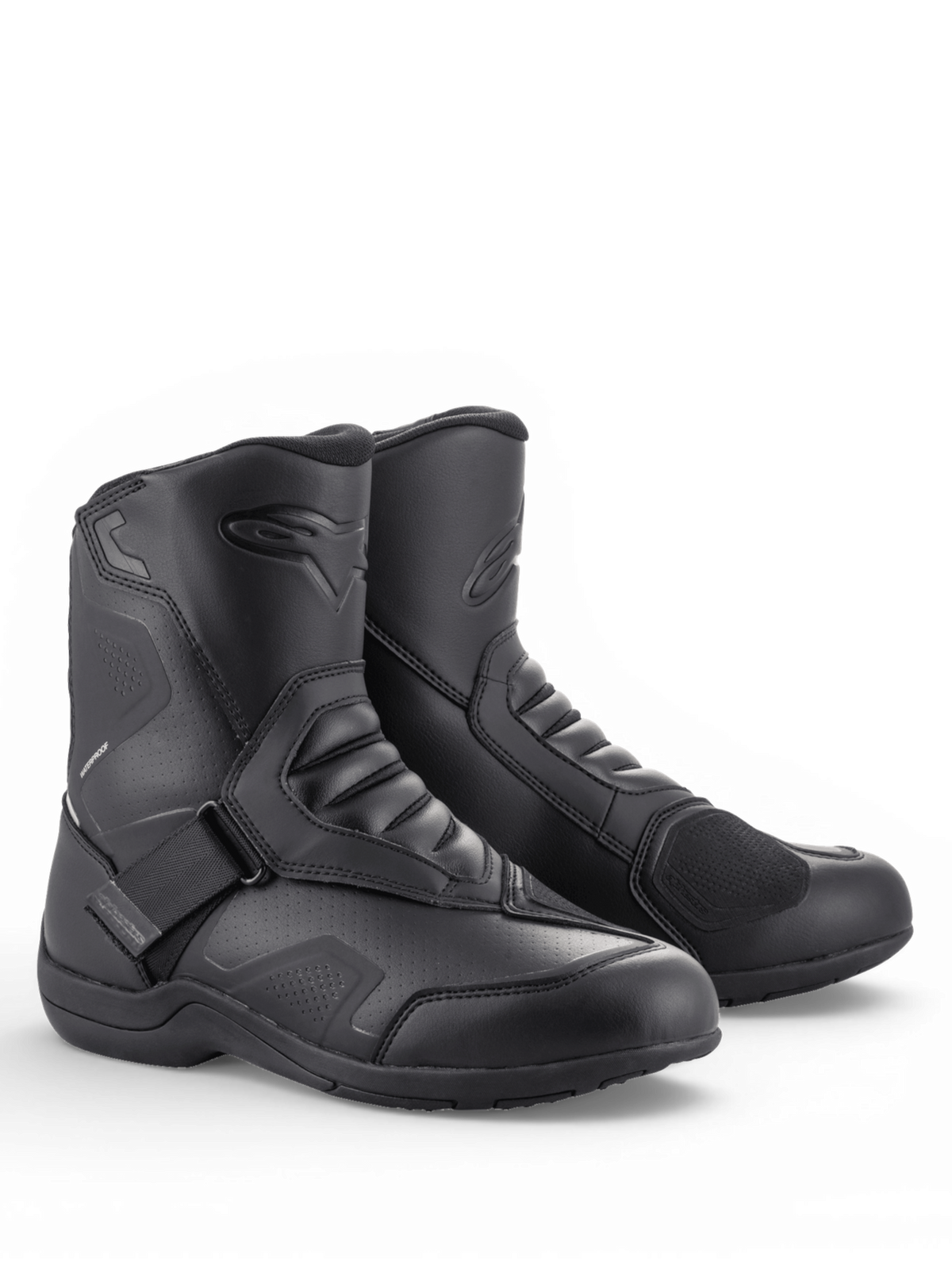
Ridge V2 Waterproof Boots -
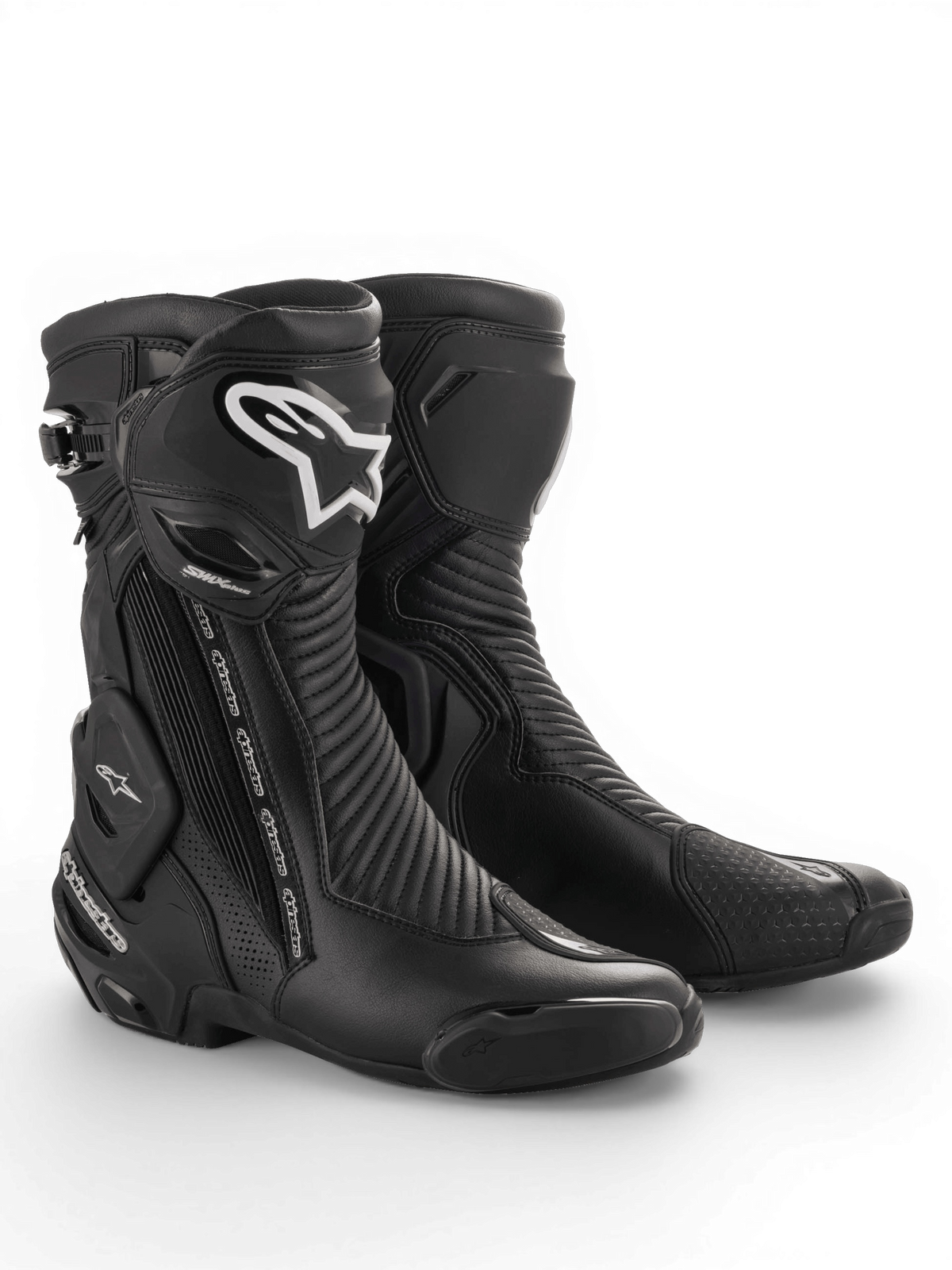
SMX Plus V2 GORE-TEX Boots -
RT-8 GORE-TEX Boots -
XT-8 GORE-TEX Boots -
Belize V2 Drystar® Boots -
RT-7 Drystar® Boots -
New Land GORE-TEX Boots -
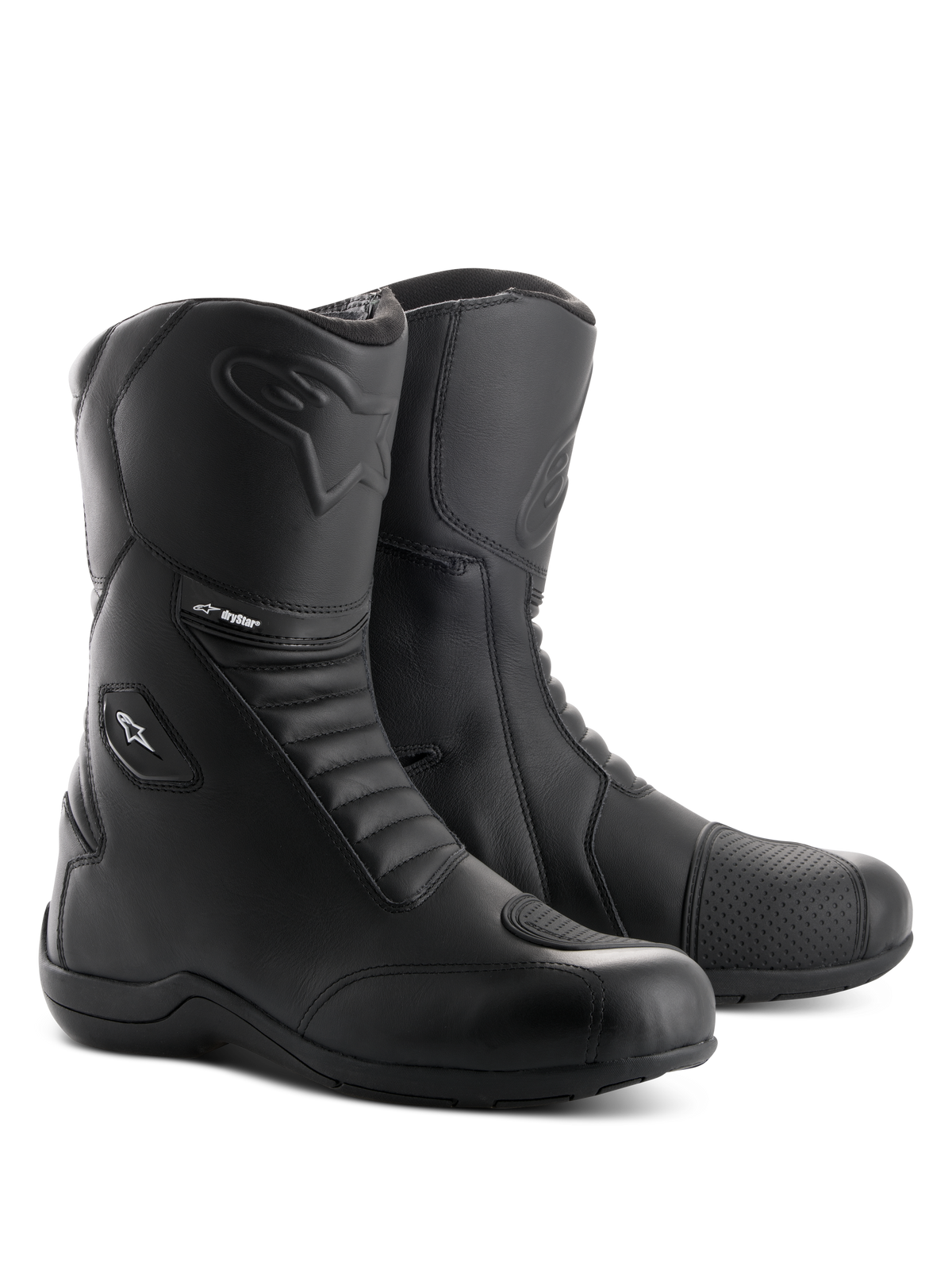
Andes V2 Drystar® Boots -
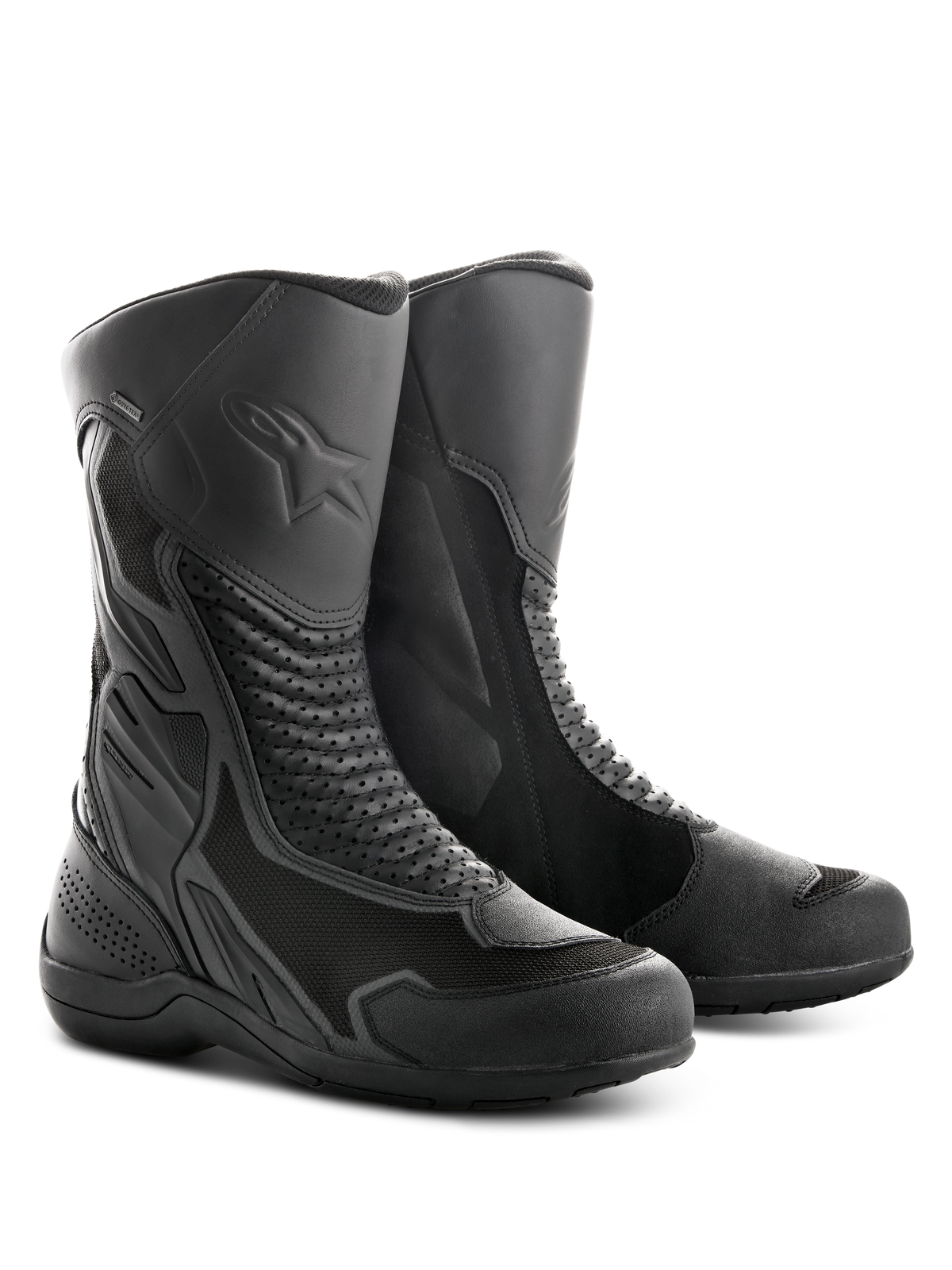
Air Plus V2 GORE-TEX Boots -
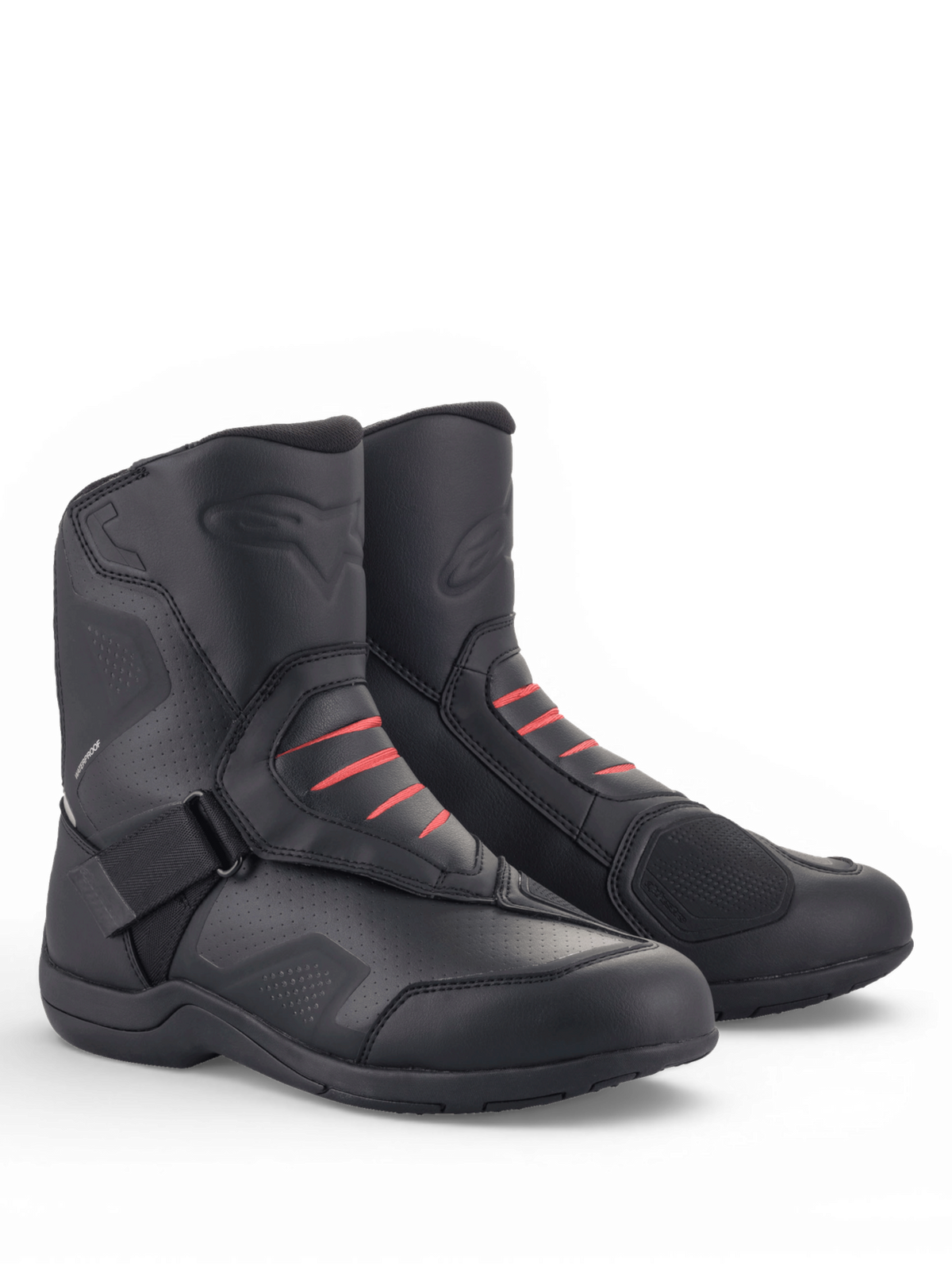
Ridge V2 Waterproof Boots





































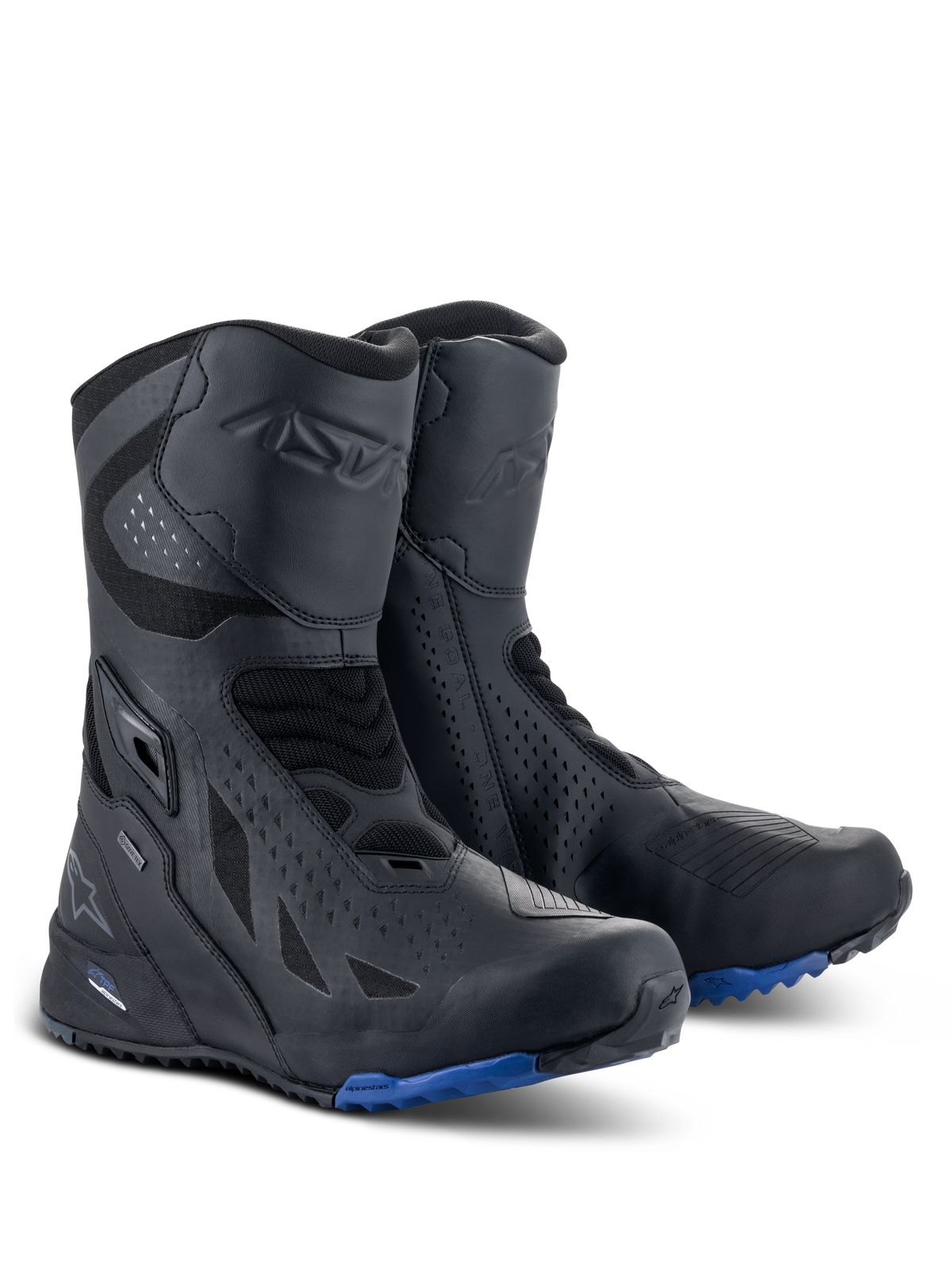

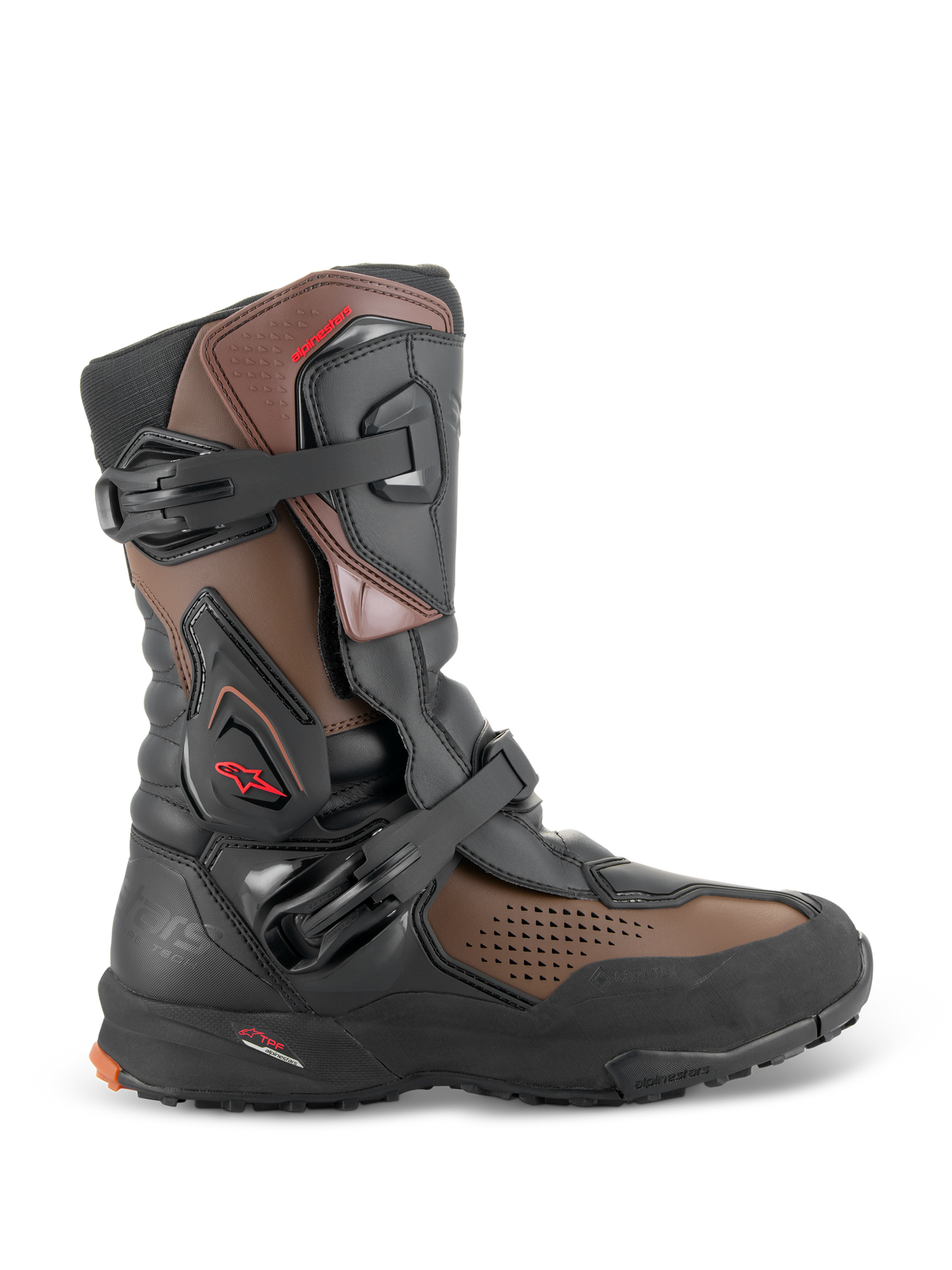
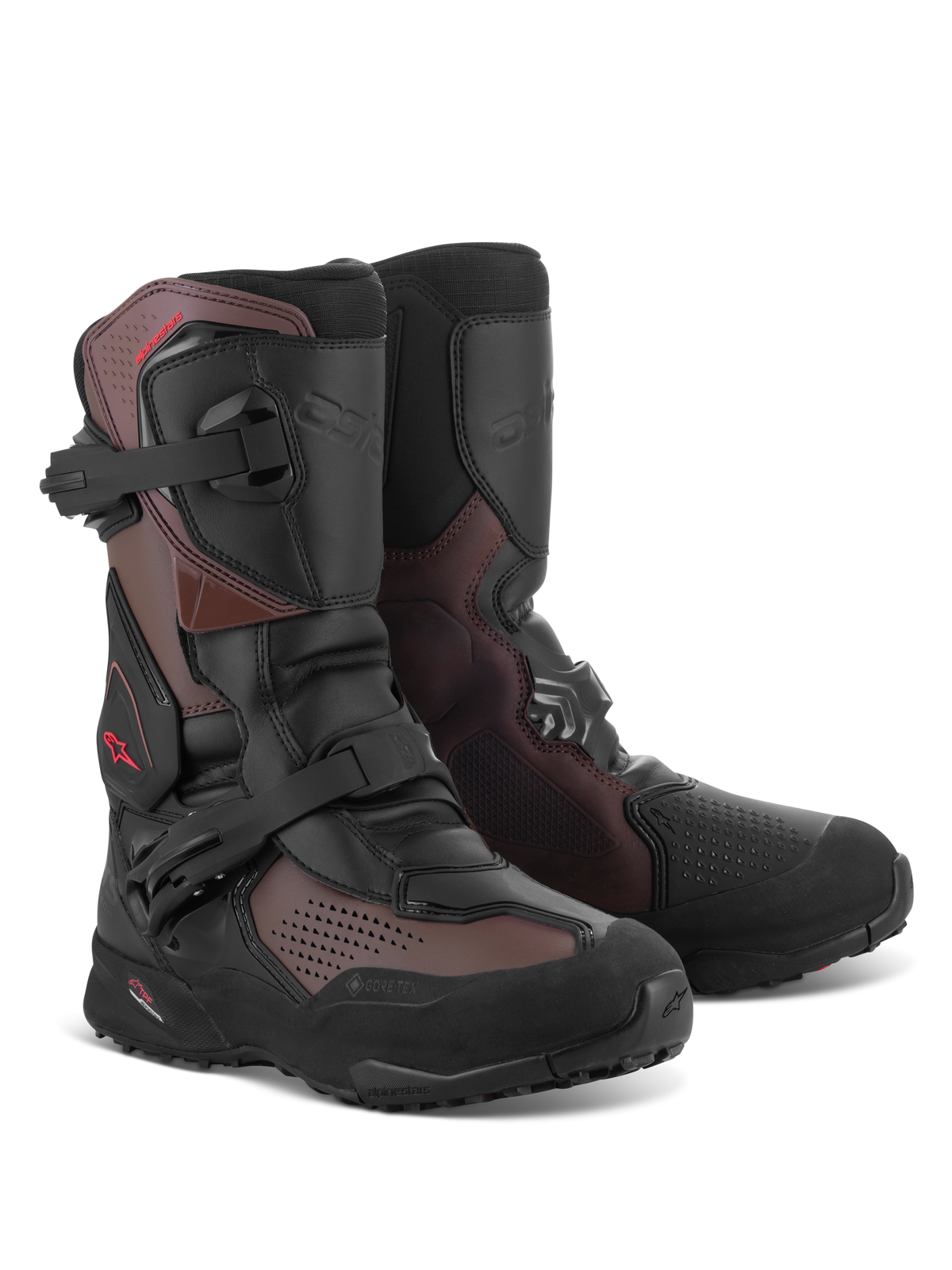


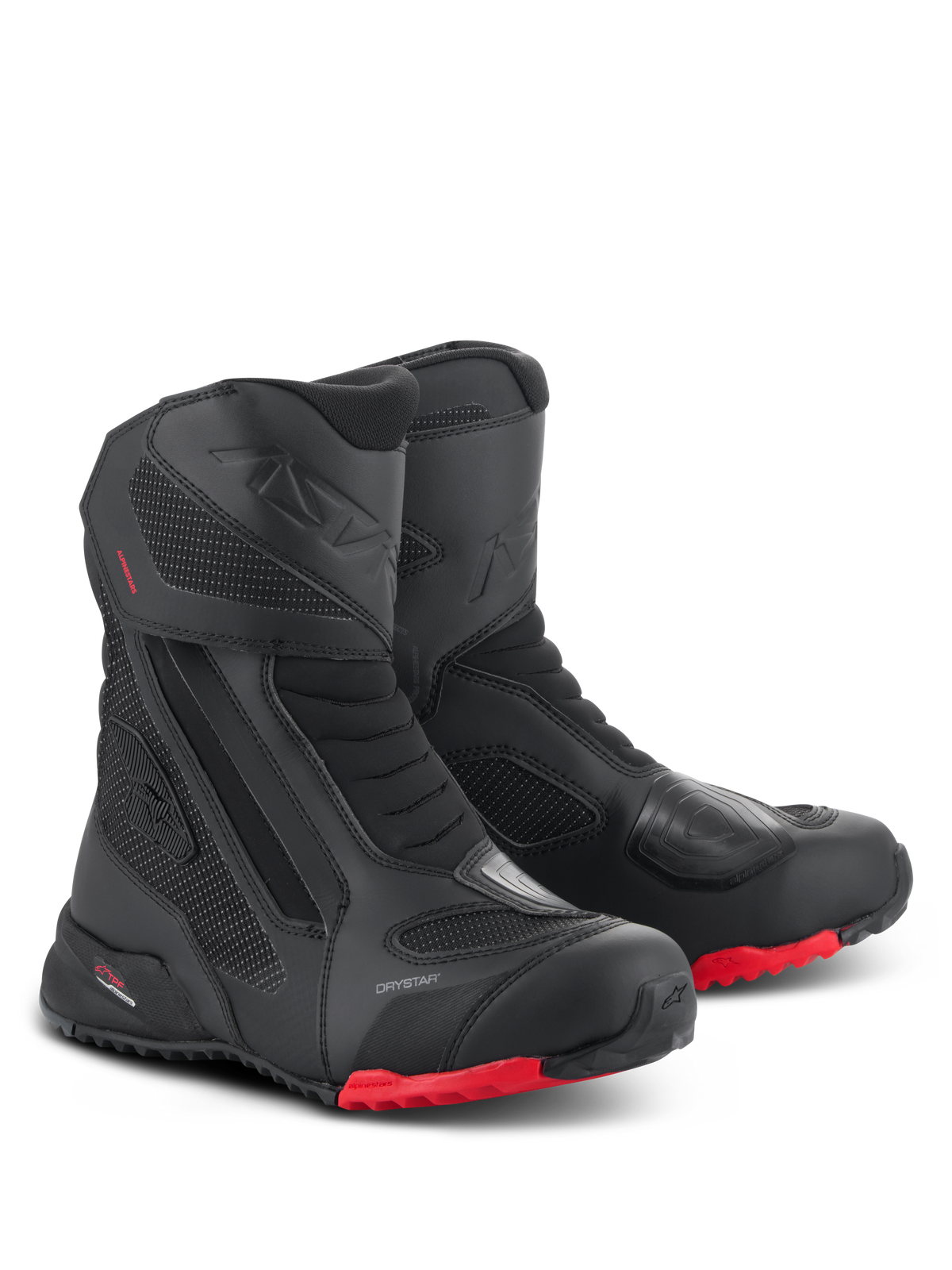








31 of 31 products
All products loaded
Frequently asked questions Hide FAQs
What is the difference between waterproof and water-resistant motorcycle boots?
Waterproof motorcycle boots are built to block water penetration during sustained rain and wet-road riding, typically by using a waterproof and breathable membrane integrated into the boot construction. Water-resistant boots can repel light moisture or short exposure, but they are not intended to keep feet dry through longer rides in heavy rain.
For riders who commute, tour, or ride regularly in changing weather, waterproof moto boots are the more practical choice because they combine weather protection with motorcycle-specific reinforcement at the ankle, heel, toe, and shin.
How should waterproof motorcycle boots fit?
Waterproof motorcycle boots should fit securely through the heel, instep, and ankle while leaving enough room in the toe box for natural movement. A correct fit helps the boot stay stable on the footpegs and gives more consistent feel at the shifter and rear brake.
Start with the Alpinestars footwear size chart and try the boots with the socks you normally ride in. If you ride in colder conditions with thicker socks, make sure the fit still allows circulation, because a boot that is too tight can reduce comfort on longer rides.
What does CE-certified EN 13634 mean on waterproof moto boots?
EN 13634 is the European standard for protective motorcycle footwear. When waterproof moto boots are CE-certified to this standard, they have been tested for key performance areas such as abrasion resistance, impact-related protection, transverse rigidity, and minimum height requirements for motorcycle use.
Certification can vary by model, so it is best to confirm the exact CE marking on the product page or inside the boot. For riders comparing options, EN 13634 is one of the clearest indicators that the footwear is designed for real motorcycle protection rather than general outdoor use.
Are waterproof moto boots good for winter, rain, and year-round riding?
Yes. Waterproof moto boots are especially well suited to wet weather, cold commutes, and shoulder-season riding because the waterproof membrane helps keep water out while reducing wind-driven moisture inside the boot. They are a strong option for road use, daily riding, and touring where conditions can change during the day.
They are not automatically insulated, so cold-weather comfort still depends on sock choice, fit, and ride duration. In hot summer conditions, waterproof boots may feel warmer than highly ventilated alternatives, so they are generally best for all-weather versatility rather than peak-heat riding.
How do I clean and care for waterproof motorcycle boots?
After wet or dirty rides, remove surface mud and debris with a soft brush or damp cloth. Let the boots air-dry naturally away from direct heat, because heaters, dryers, and strong sunlight can shorten the life of adhesives, outer materials, and waterproof membranes.
Follow the care guidance provided for the specific boot material and closure system. If you are comparing weather-focused options for longer-distance or mixed-terrain riding, you can also explore adventure motorcycle boots.