
8 results










Frequently asked questions Hide FAQs
What are waterproof MTB pants designed for?
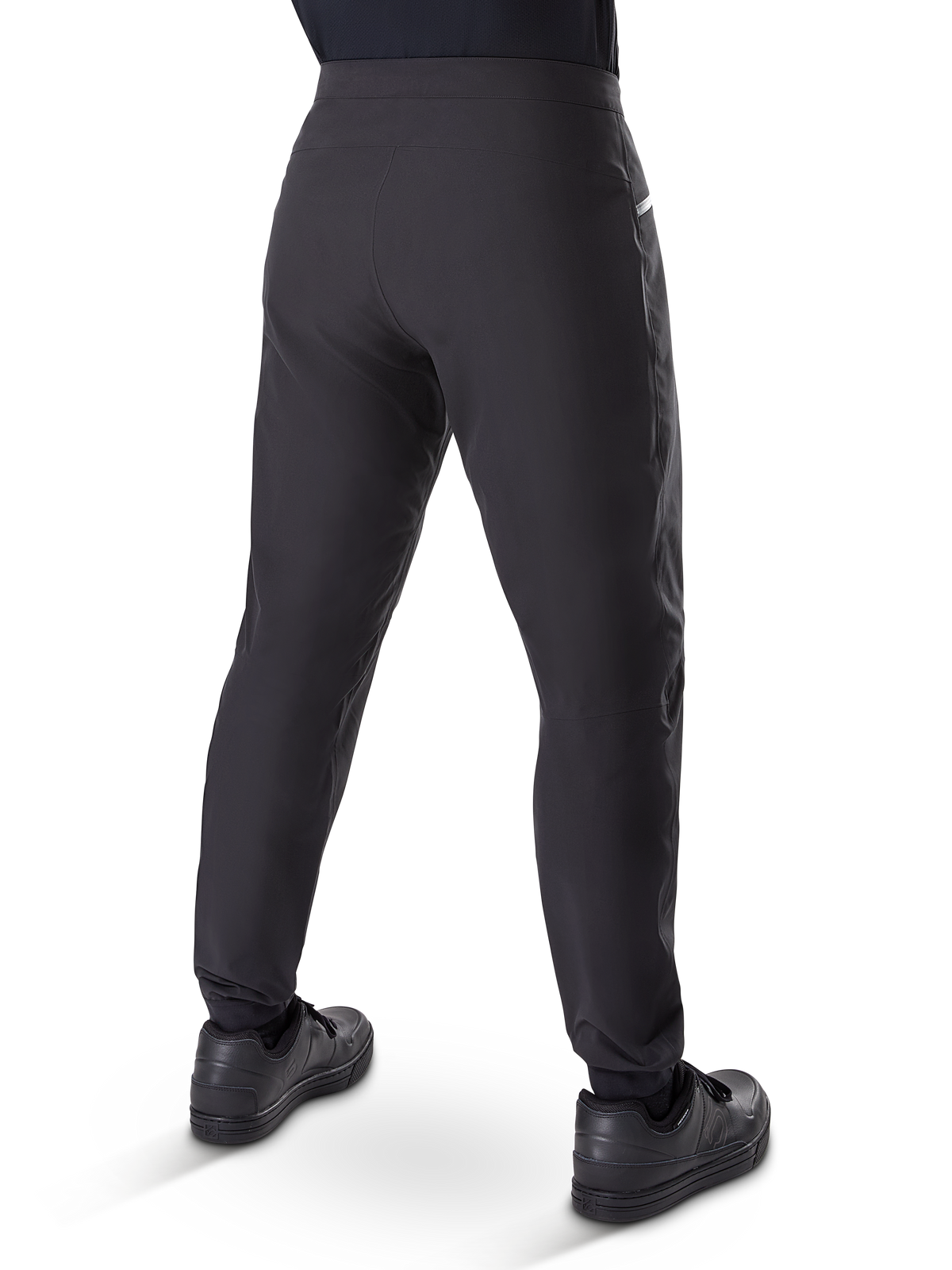
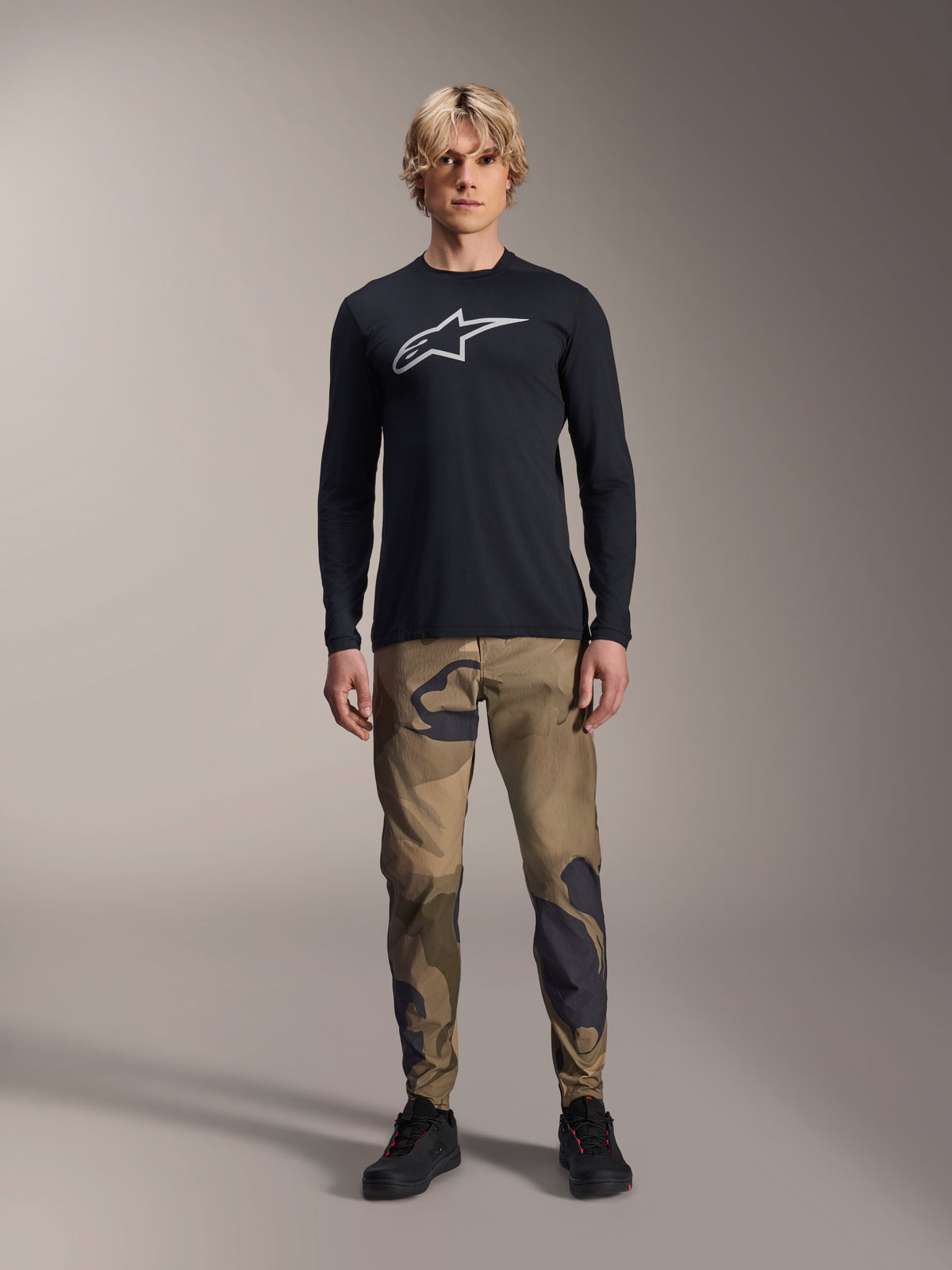
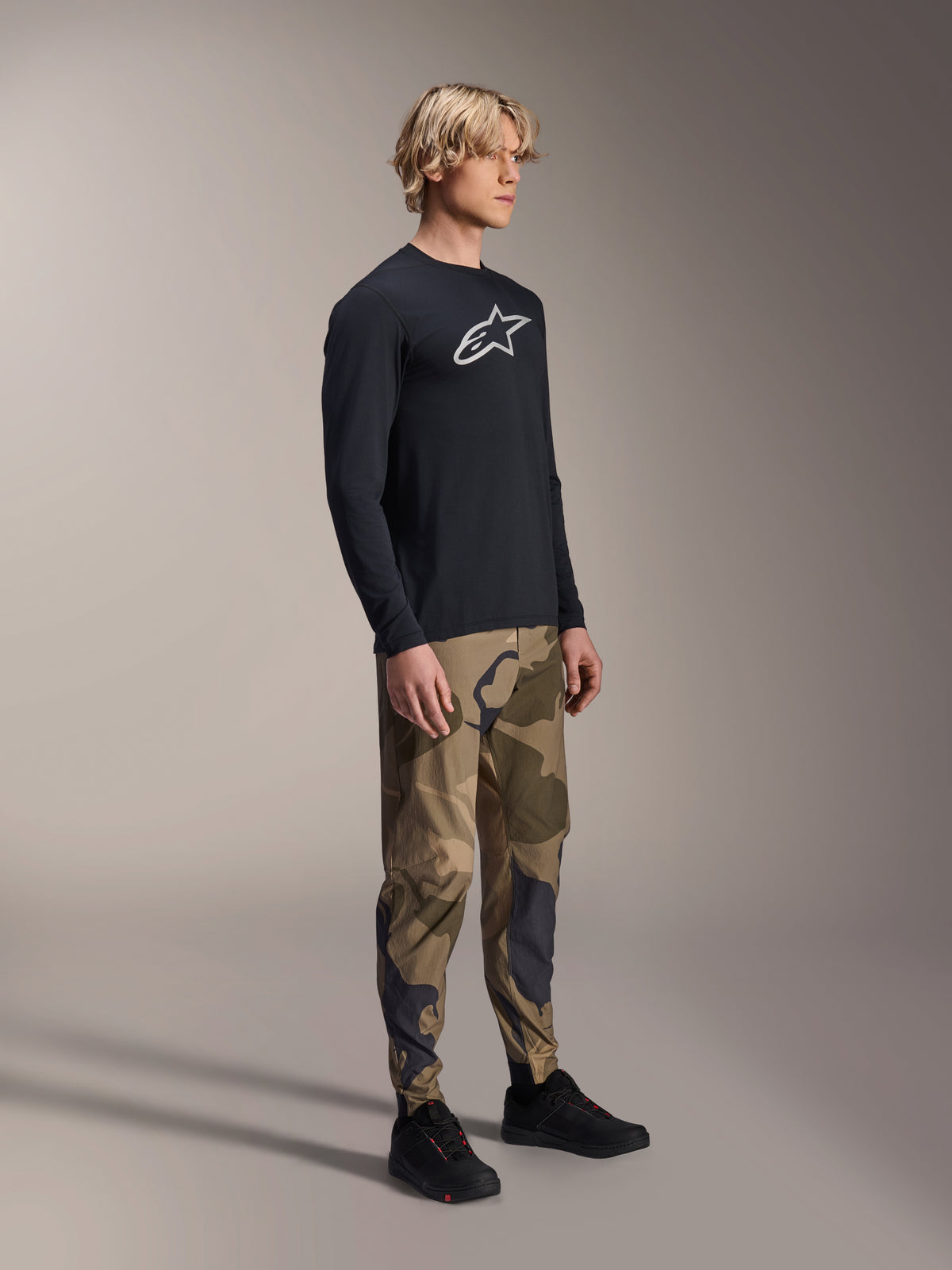
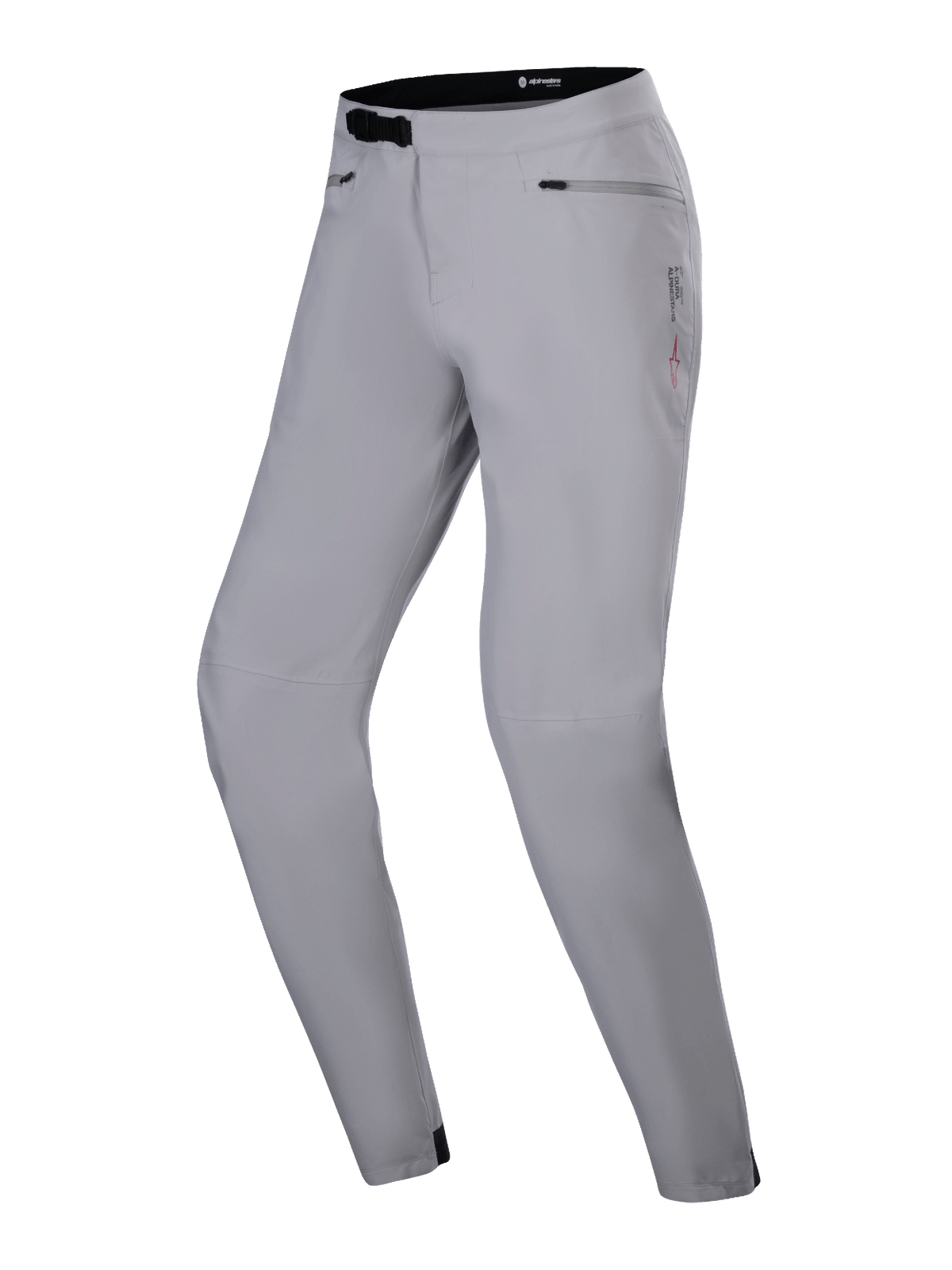
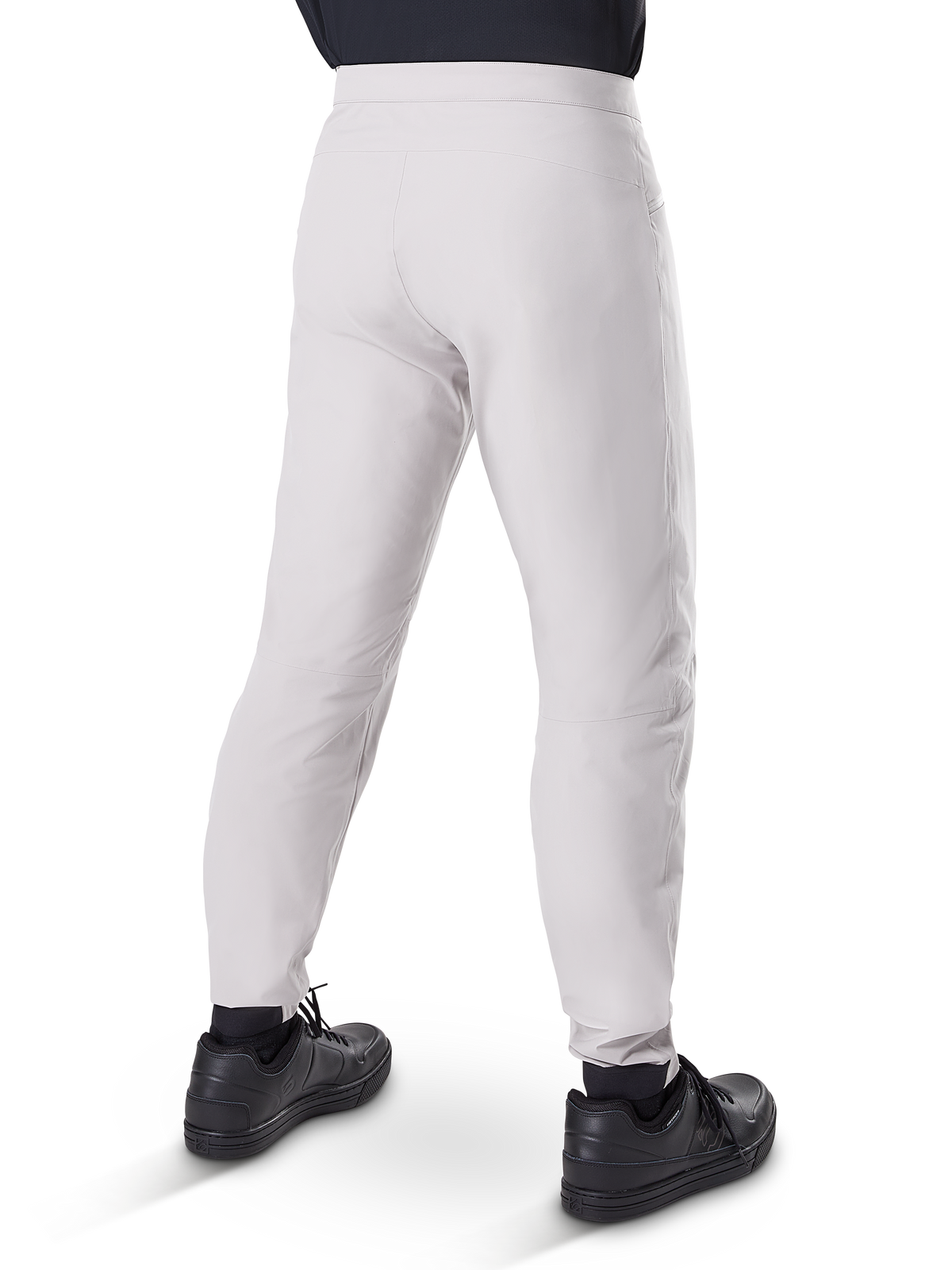
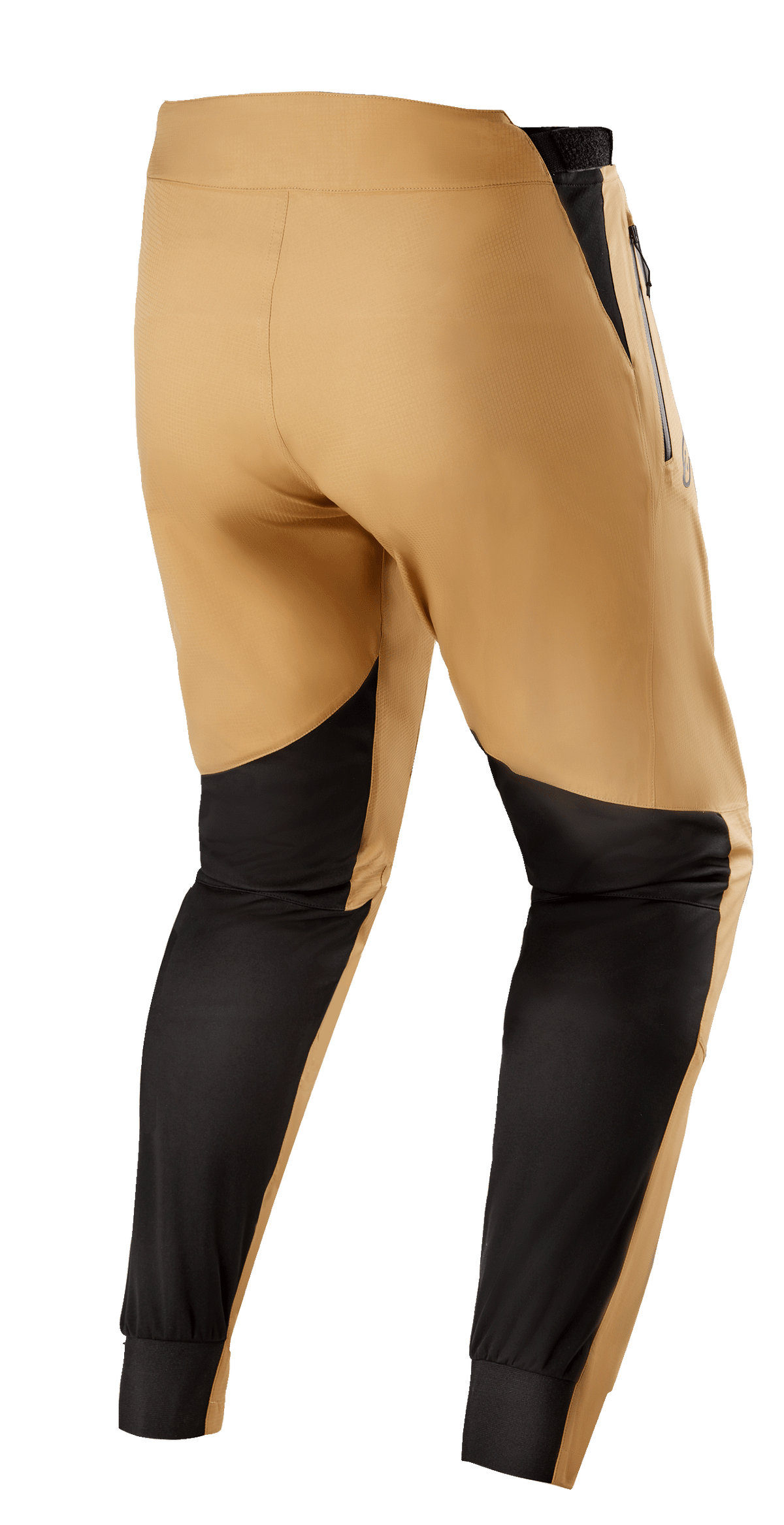
Waterproof MTB pants are built for wet-weather mountain biking, where riders need protection from rain, mud, wheel spray, and cold wind without losing pedaling mobility. Compared with standard trail pants, they typically use a waterproof-breathable membrane, a water-repellent face fabric, and seam construction designed to reduce water ingress.
They are best suited to winter trail riding, enduro, bike-park laps, and long rides in unstable weather. If you want to compare other options for different temperatures and ride styles, browse the wider cycling pants collection.
How should waterproof MTB pants fit?
Waterproof MTB pants should fit close enough to avoid snagging on the saddle, drivetrain, or trail brush, but with enough room for unrestricted movement on the bike. A good fit usually includes space through the hips and knees for pedaling and body positioning, plus a more tapered lower leg to limit chain rub.
For most riders, the right size is the one that allows a natural riding posture without pulling across the knees or seat. If you regularly layer thermal shorts or base layers underneath, or prefer more room over pads, a slightly more generous fit can improve comfort in cold and wet conditions.
Can you wear knee pads under waterproof MTB pants?
Yes, many waterproof MTB pants are intended to work with low-profile to mid-volume knee protection, especially for trail, enduro, and gravity riding. The key is articulation through the knee area and enough volume to prevent the fabric from binding when you pedal or stand over the bike.
If you ride with bulkier pads, check that the pants still move freely through the full pedal stroke and do not pull the pads out of position. Riders looking for a broader mix of wet-weather apparel and MTB kit can also explore the MTB collection.
How do you wash and care for waterproof MTB pants?
Wash waterproof MTB pants according to the care label, usually with a gentle detergent and without fabric softener or bleach. Dirt, sweat, and oils can reduce breathability and cause the outer fabric to wet out, so regular cleaning is part of maintaining waterproof performance.
Air drying is the safest default unless the label specifically permits tumble drying. When water stops beading on the surface, the DWR finish may need to be refreshed with a suitable aftercare treatment for waterproof-breathable garments. Avoid high heat, harsh chemicals, and ironing, as these can damage membranes, seam sealing, or water-repellent finishes.