
7 results















Frequently asked questions Hide FAQs
What are white motocross helmets designed for?
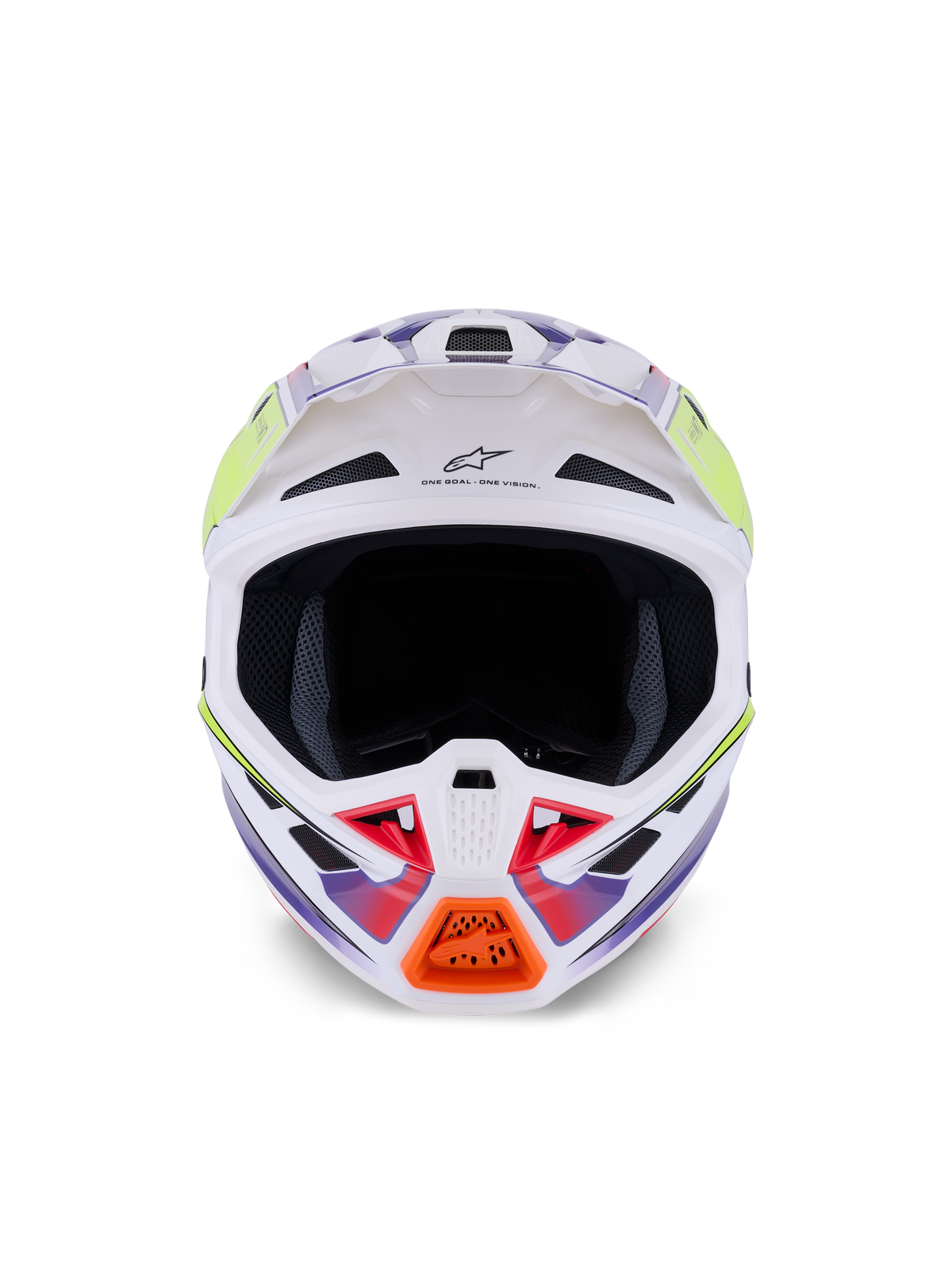
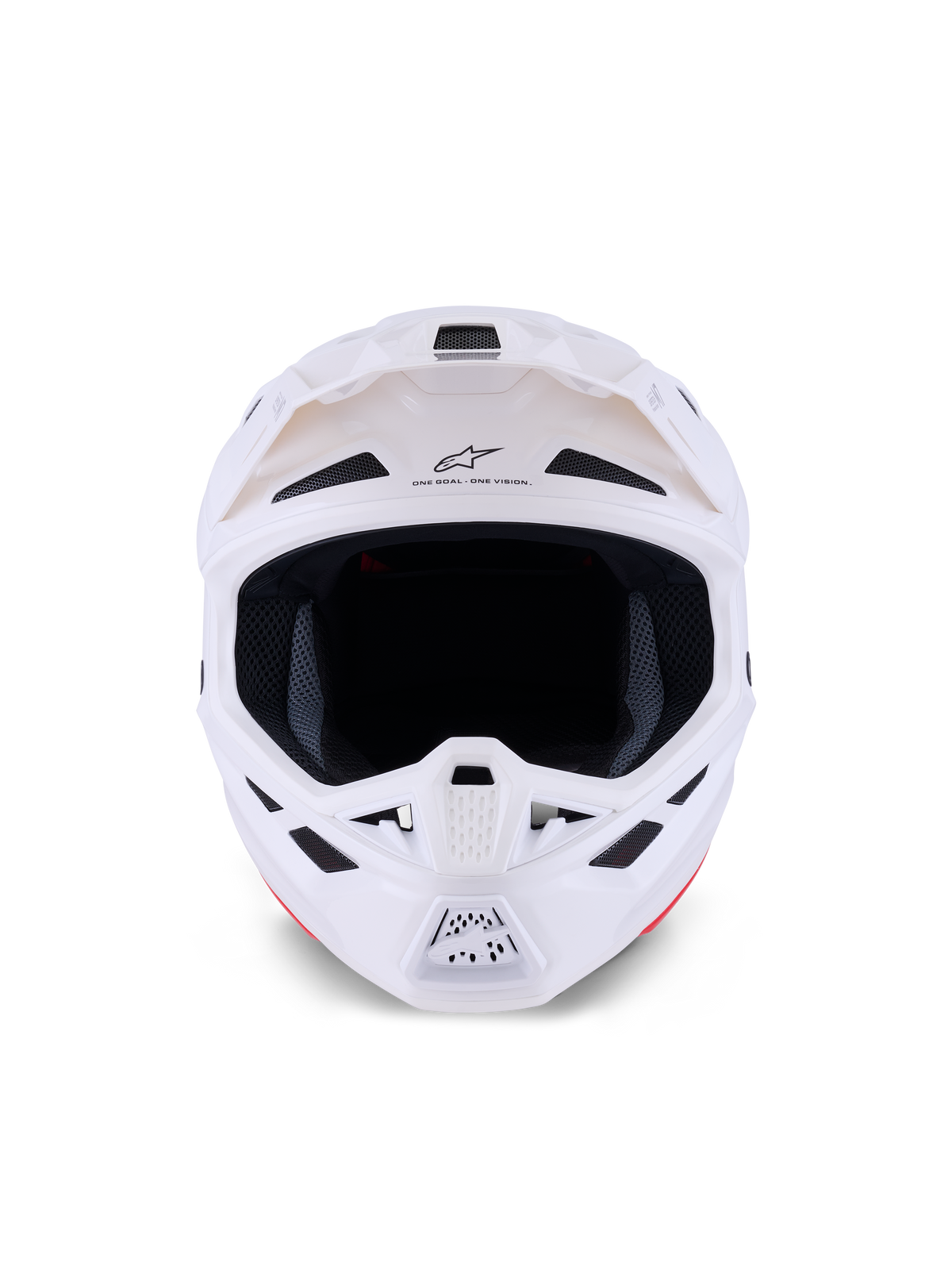
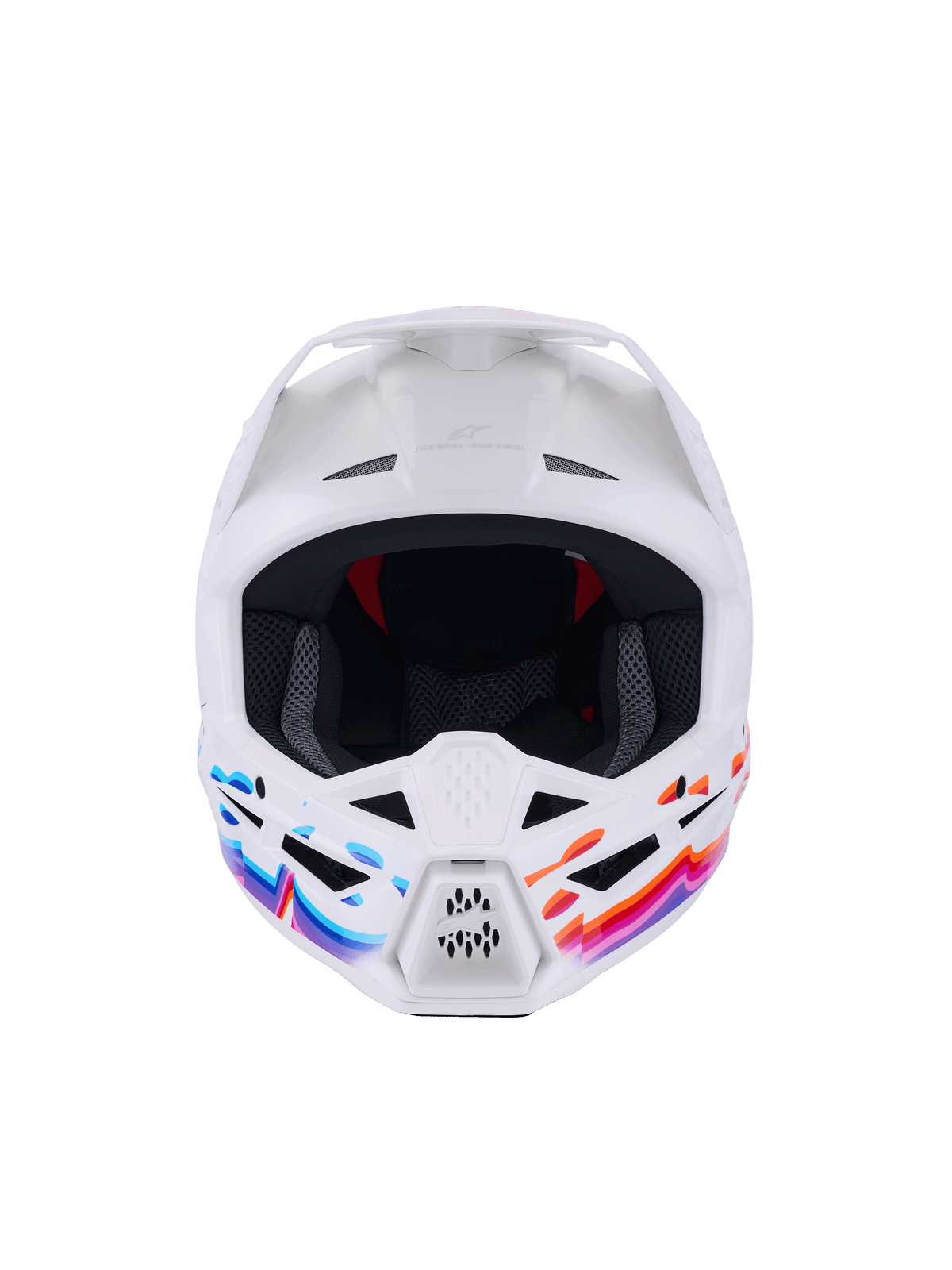
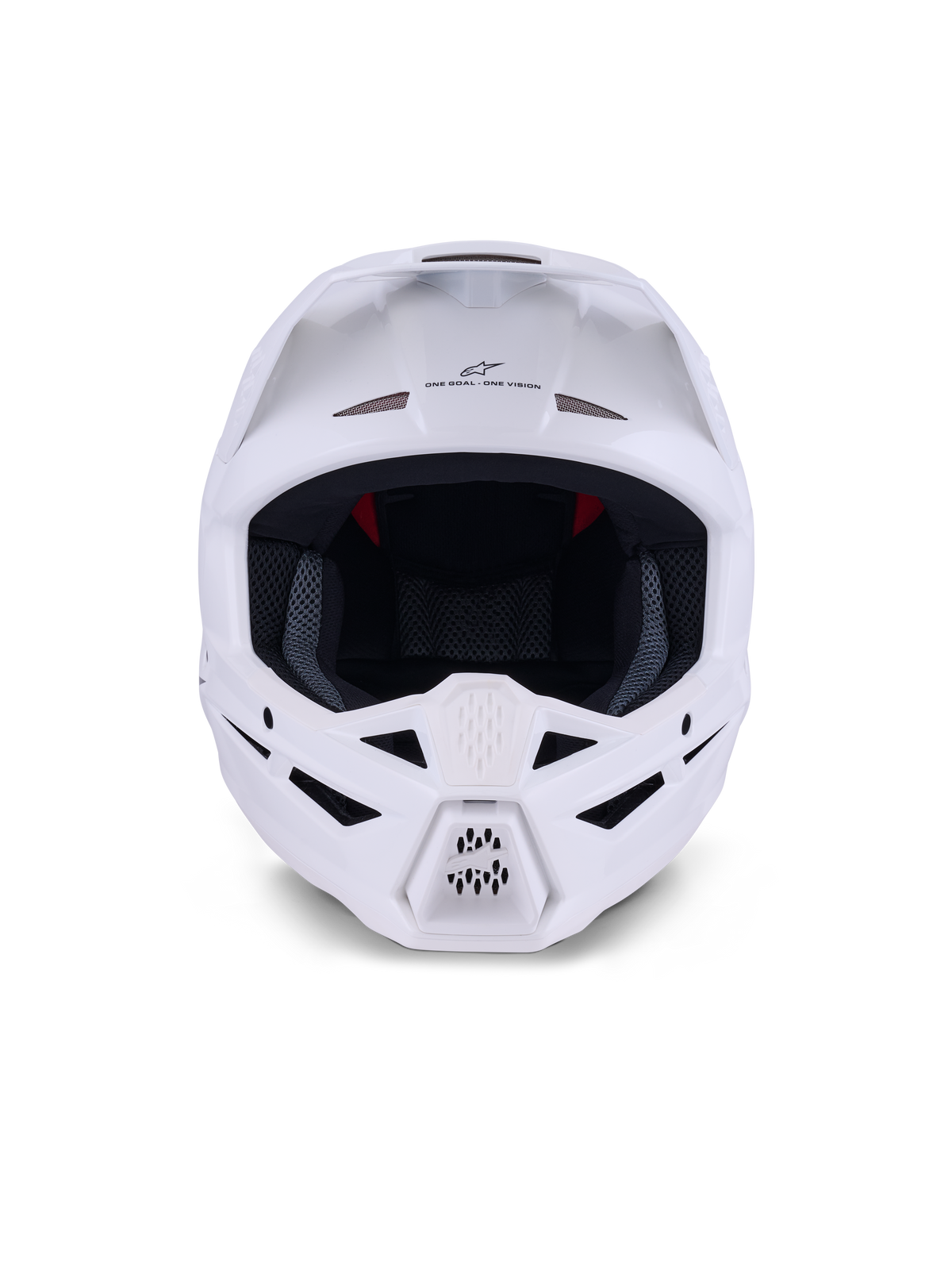
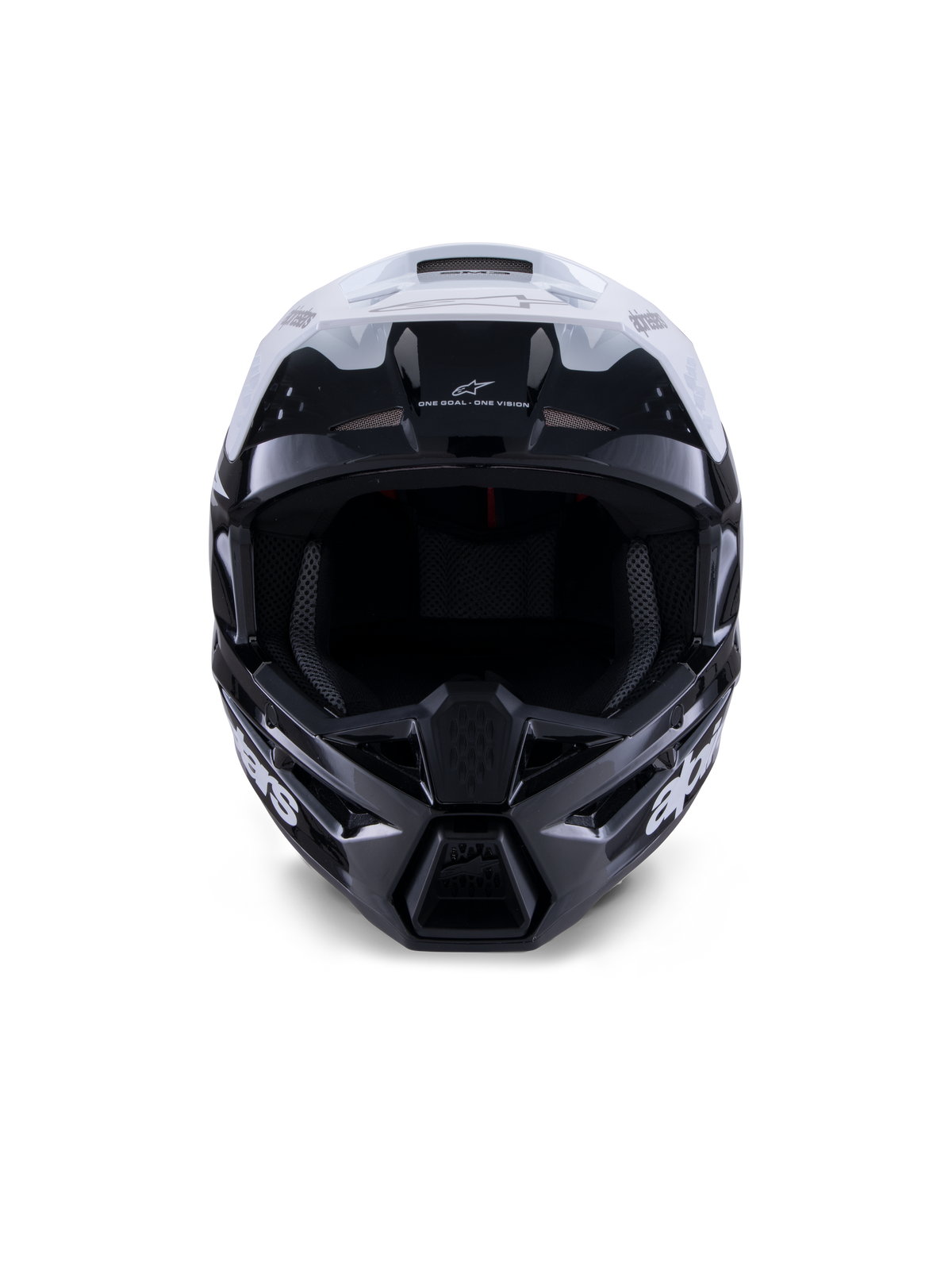
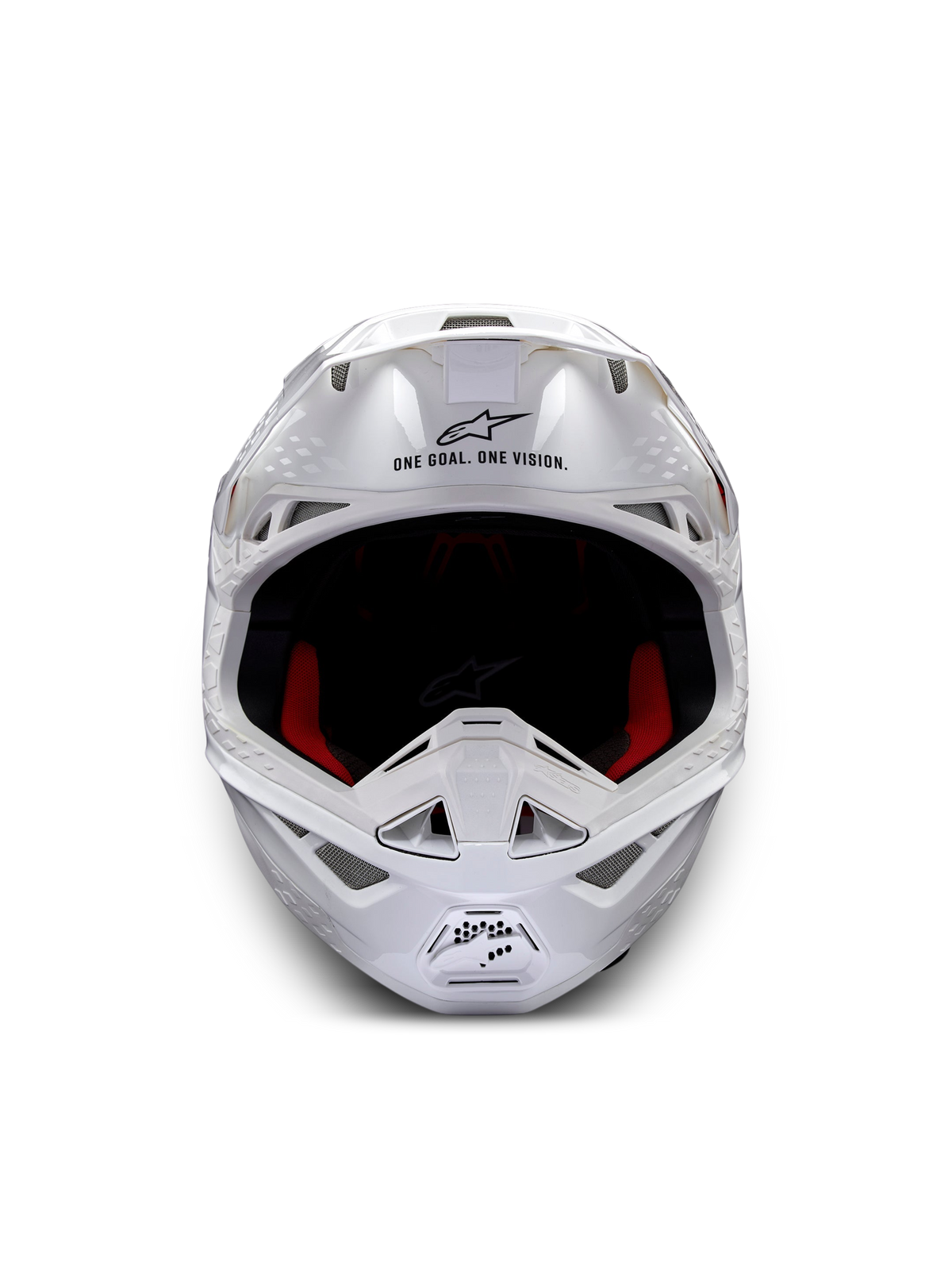
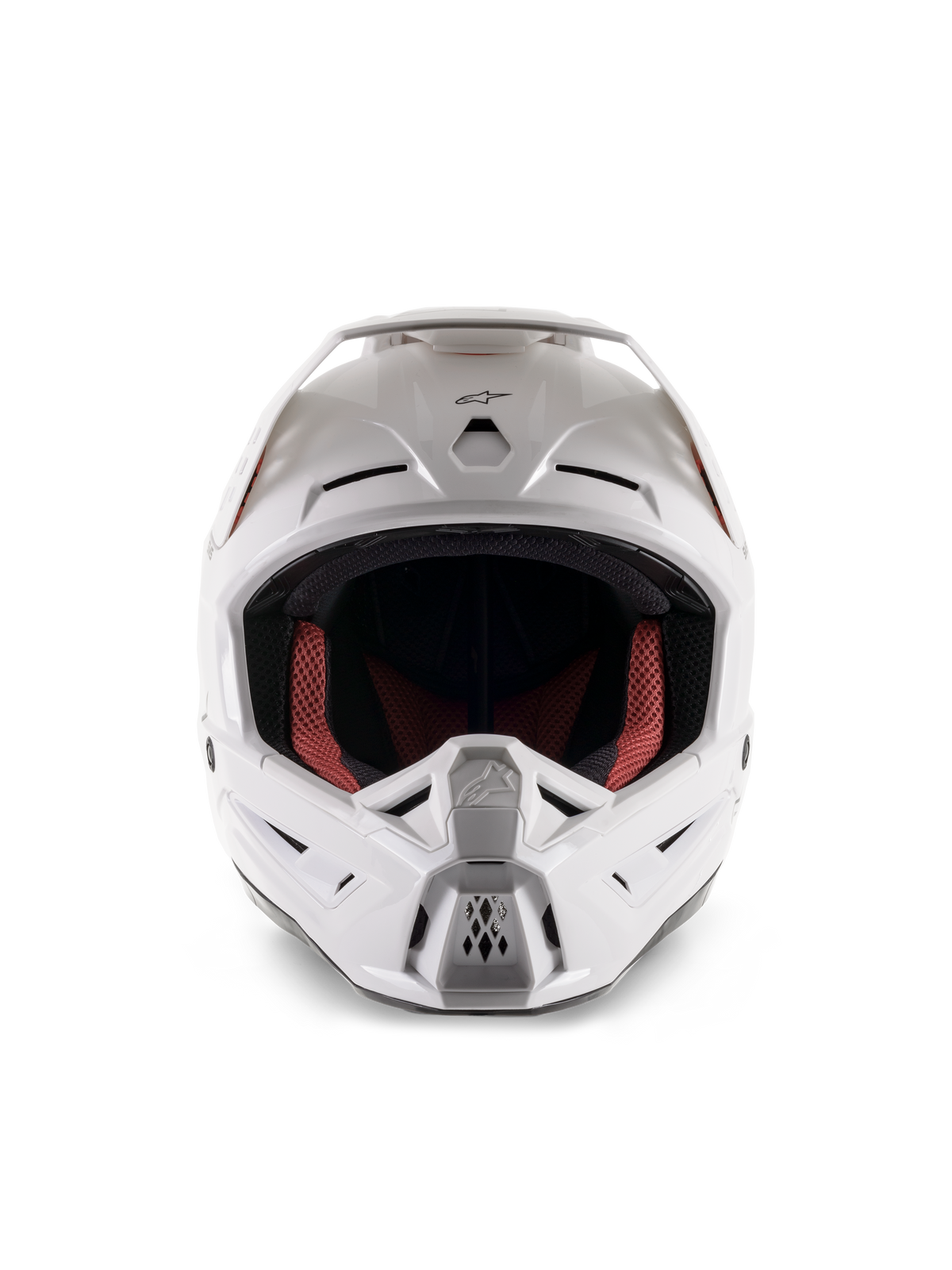
White motocross helmets are designed for off-road riding such as motocross, practice sessions, trail riding, and many forms of enduro use. At collection level, the white finish changes the visual style, but the core purpose stays the same: lightweight off-road head protection with strong airflow, a peak, and a wide eye port for MX goggles.
These helmets are built differently from typical street full-face helmets because they prioritize ventilation and goggle use rather than a road-style face shield. If you want to compare more off-road options, browse our motocross helmets collection.
How should a white motocross helmet fit, and how do I choose the right size?
A motocross helmet should fit evenly around the head and cheeks with a secure, stable feel. When fastened, it should move with your head rather than rotating independently, but it should not create painful pressure points.
Measure your head circumference just above the eyebrows and compare it with the size chart shown on the product page. If you are between sizes, consider your head shape, whether you ride with a balaclava, and the fact that interior padding normally settles slightly after initial use.
Can I wear goggles with a white motocross helmet?
Yes. Motocross helmets are designed to work with off-road goggles, using a wide eye port and peak configuration suited to MX eyewear. This setup helps support visibility in dust, roost, and changing light conditions while maintaining ventilation during hard riding.
For the best result, check that the goggle frame seats comfortably against the helmet opening and that the strap holds securely without excessive pressure. If you are building a broader off-road setup, you can also explore our MX collection.
What safety certifications should I look for in a motocross helmet?
Check the product page and helmet labeling for the exact certification listed for that model. Common references include DOT for U.S. compliance and ECE 22.06 for many international markets. These standards indicate that the helmet has been tested to defined impact and retention requirements.
Certification can vary by market and model, so the most reliable approach is to confirm the exact marking shown on the individual helmet before ordering. Fit remains just as important as certification, because a helmet only performs correctly when it stays properly positioned on the head.
How do I clean and maintain a white motocross helmet?
Clean the shell with a soft cloth, warm water, and mild soap only. Avoid solvents, fuel-based cleaners, abrasive pads, or aggressive polishes, as they can damage the finish, graphics, vents, or shell components. On a white helmet, regular gentle cleaning is especially useful because mud, rubber marks, and roost are more visible.
If the liner or cheek pads are removable and the care instructions allow it, wash them gently and let them air-dry completely before refitting. After any significant impact, inspect the shell, liner, and retention system carefully and replace the helmet if there are signs of damage.