
24 results
-
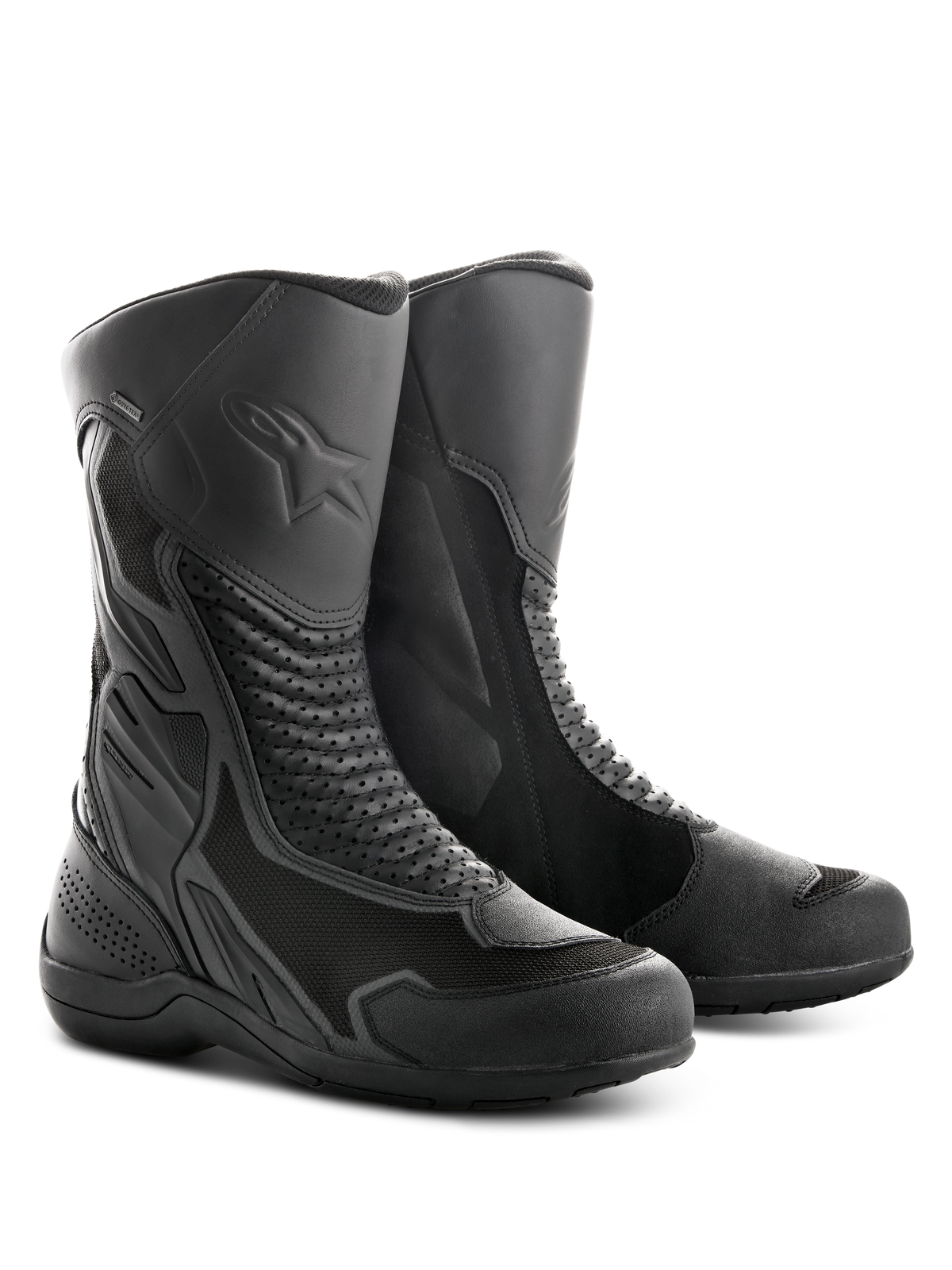
Air Plus V2 GORE-TEX Boots -
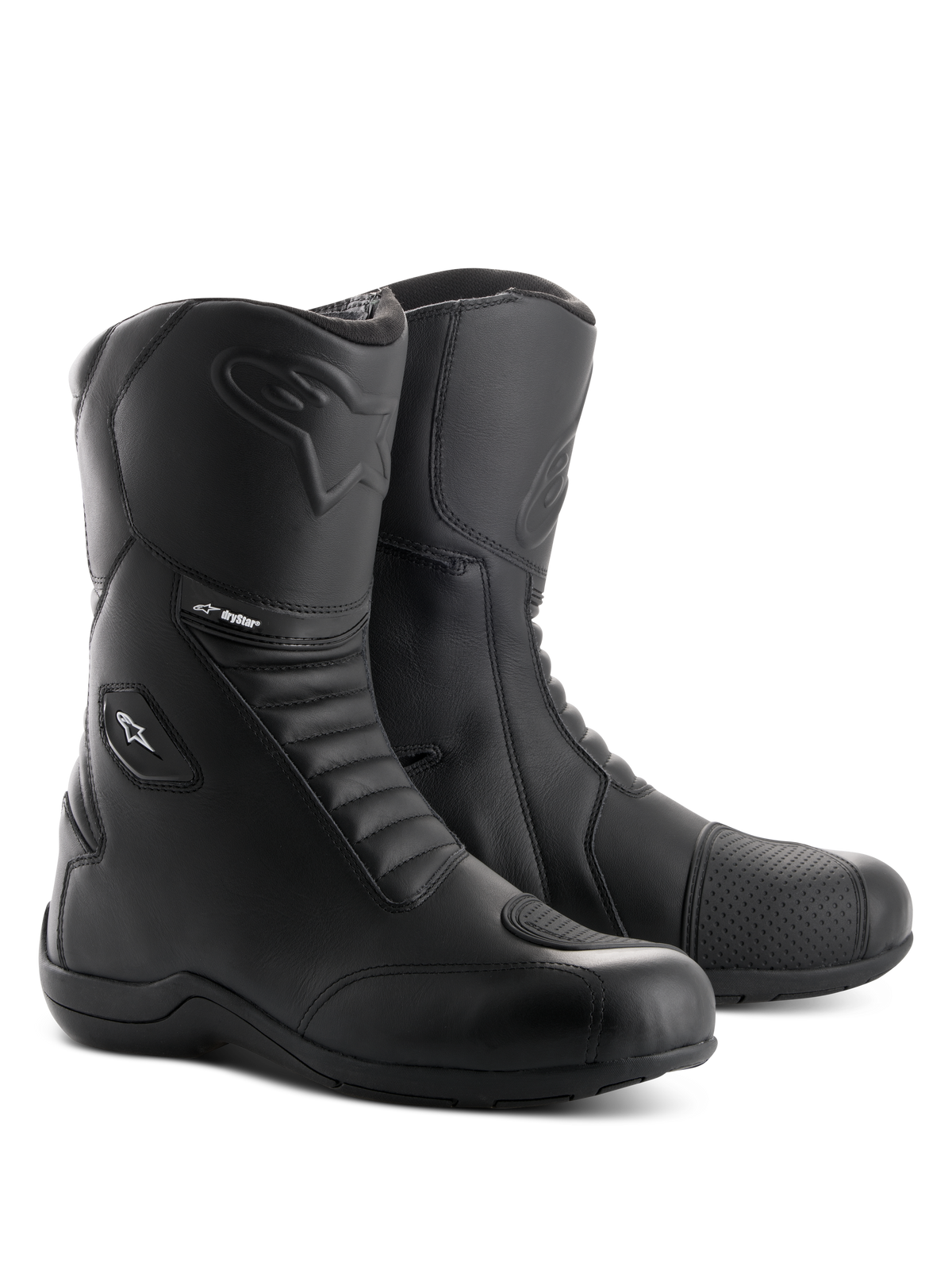
Andes V2 Drystar® Boots -
New Land GORE-TEX Boots -
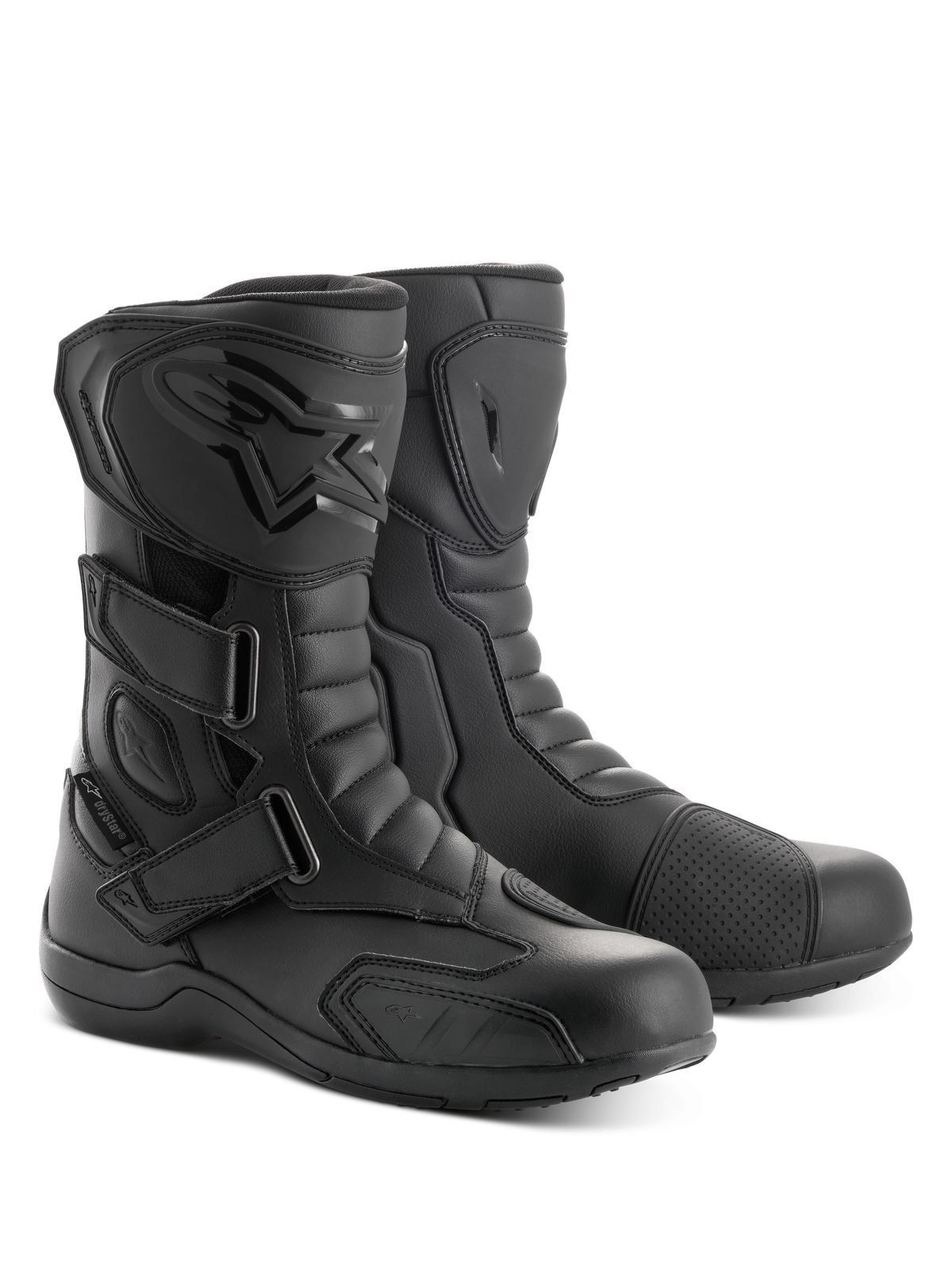
Radon Drystar® Boots -
Stella SMX-6 V3 Drystar® Boots -
Corozal V2 Adventure Drystar® Boots -
Toucan GORE-TEX Boots -
Web GORE-TEX Boots -
RT-8 GORE-TEX Boots -
RT-7 Drystar® Boots -
Origin Drystar® Boots -
SMX-6 V3 Drystar® Boots -
SMX Plus V2 GORE-TEX Boots -
Belize Drystar® Boots -
Belize Drystar® Boots -
Stella RT-7 Touring Drystar® Boots -
Stella RT-7 Touring Drystar® Boots -
XT-8 GORE-TEX Boots -
XT-8 GORE-TEX Boots -
SMX-6 V3 GORE-TEX Boots -
SP-X BOA® Drystar® Boots -
SMX-6 V3 Drystar® Boots -
Stella SMX-6 V3 Drystar® Boots -
Corozal V2 Adventure Drystar® Boots









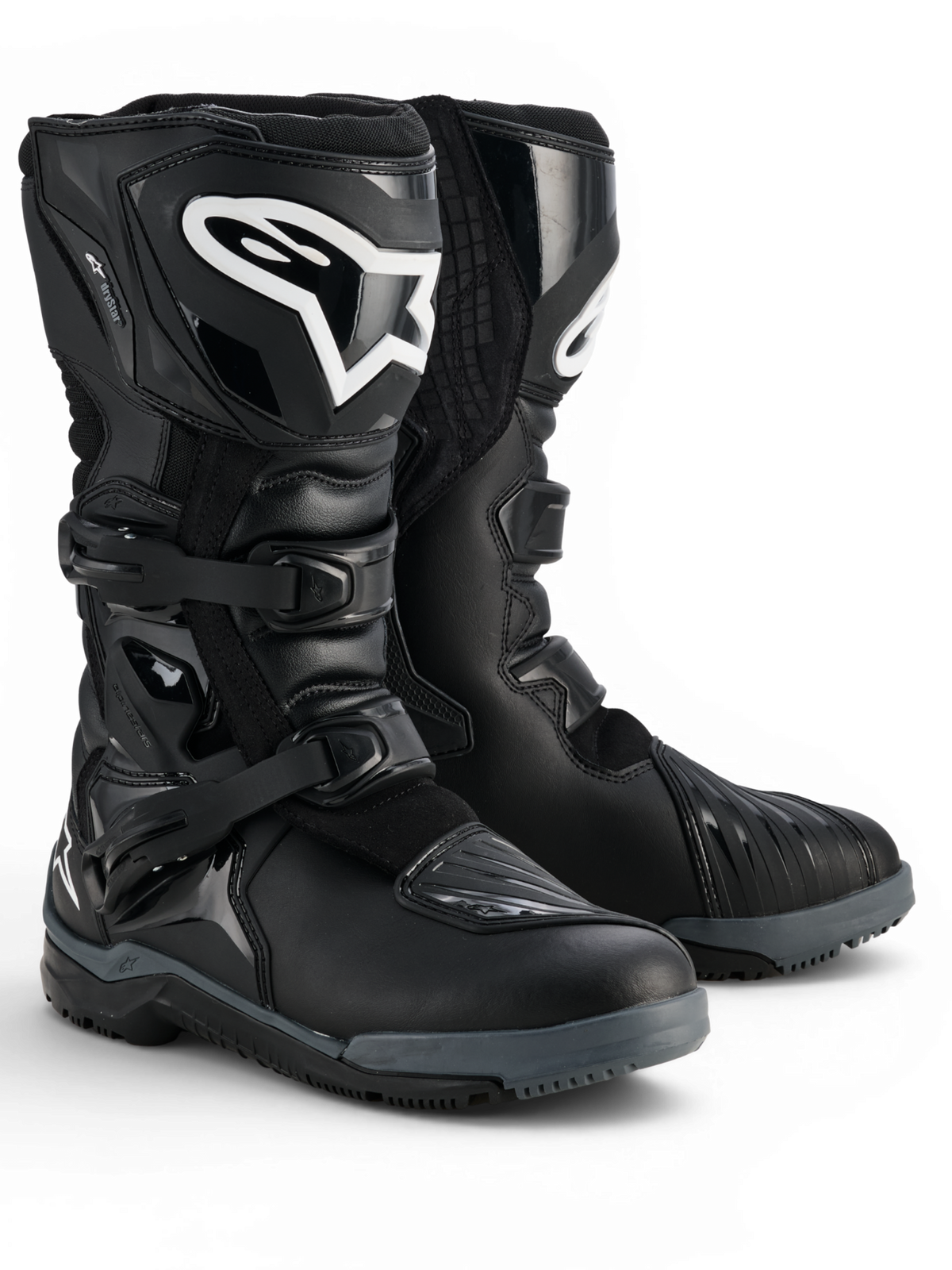


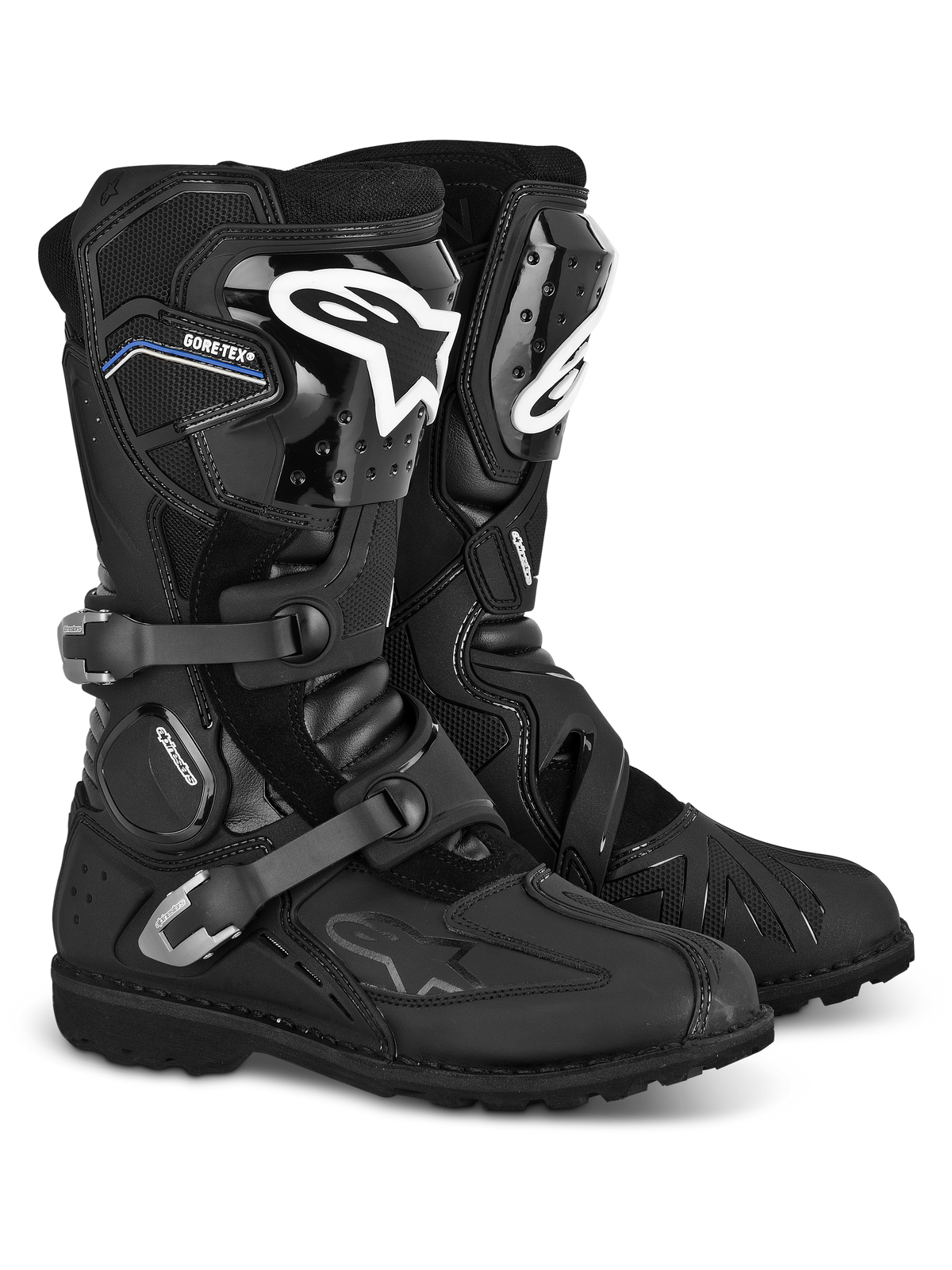


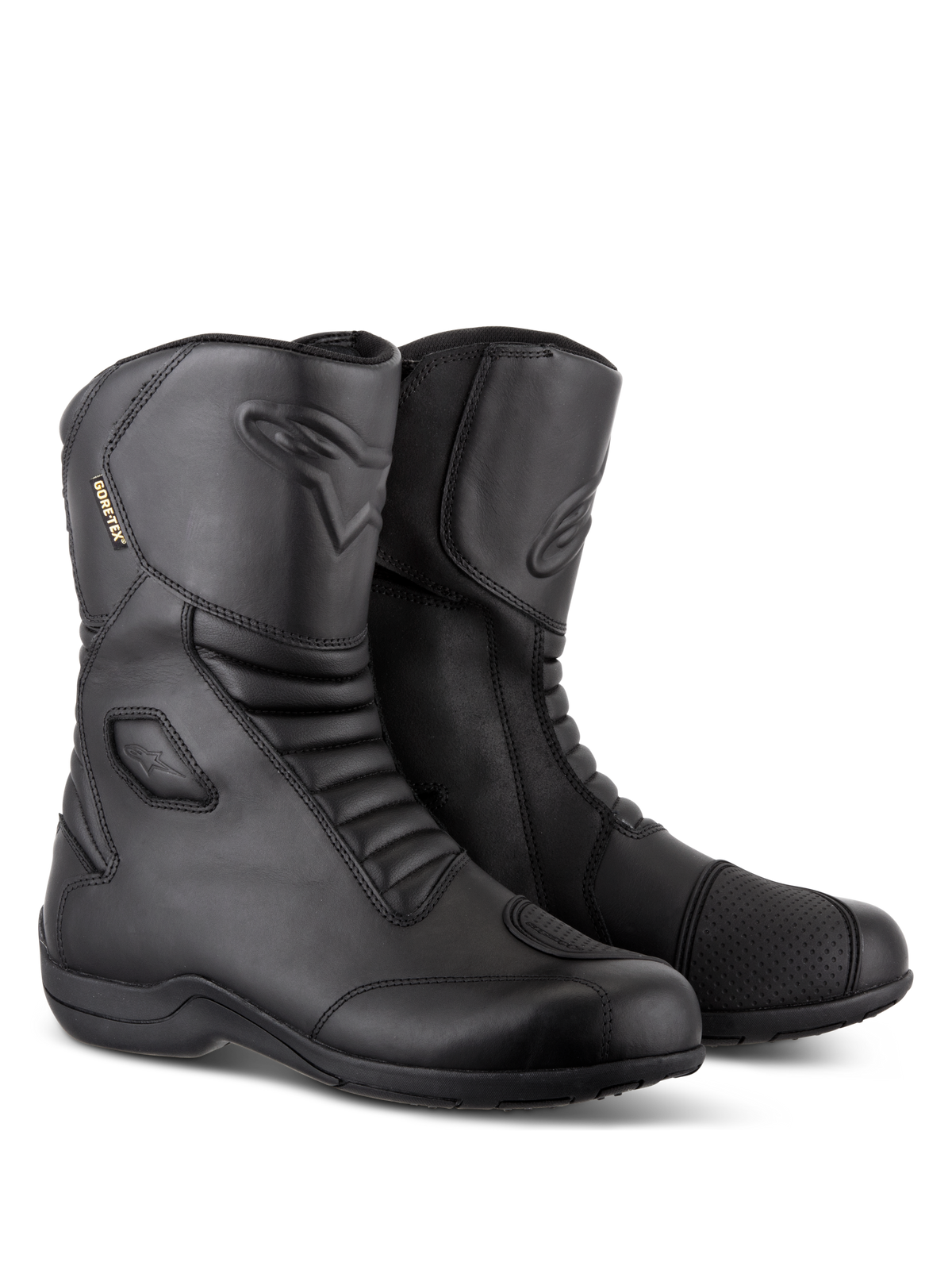


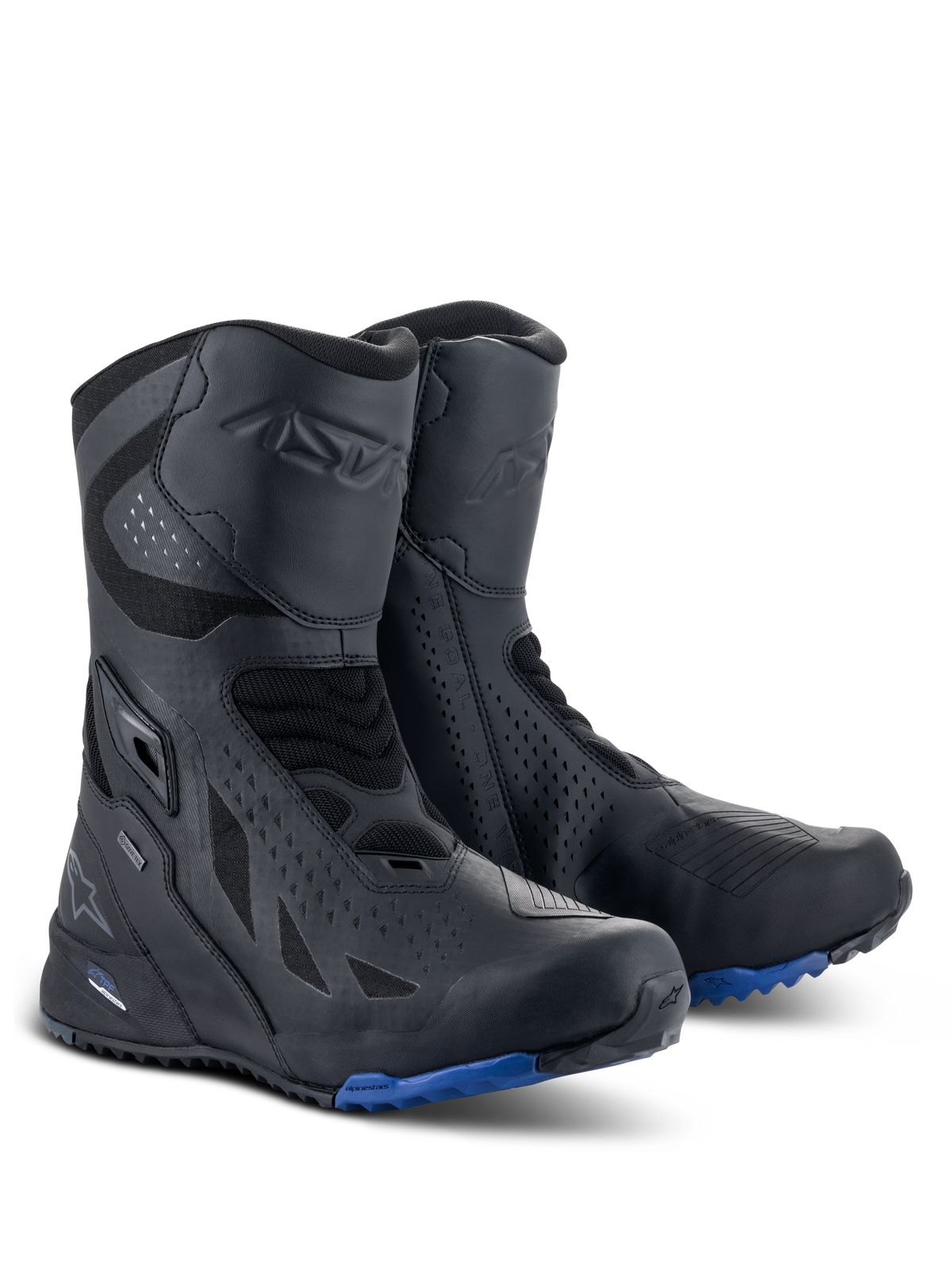


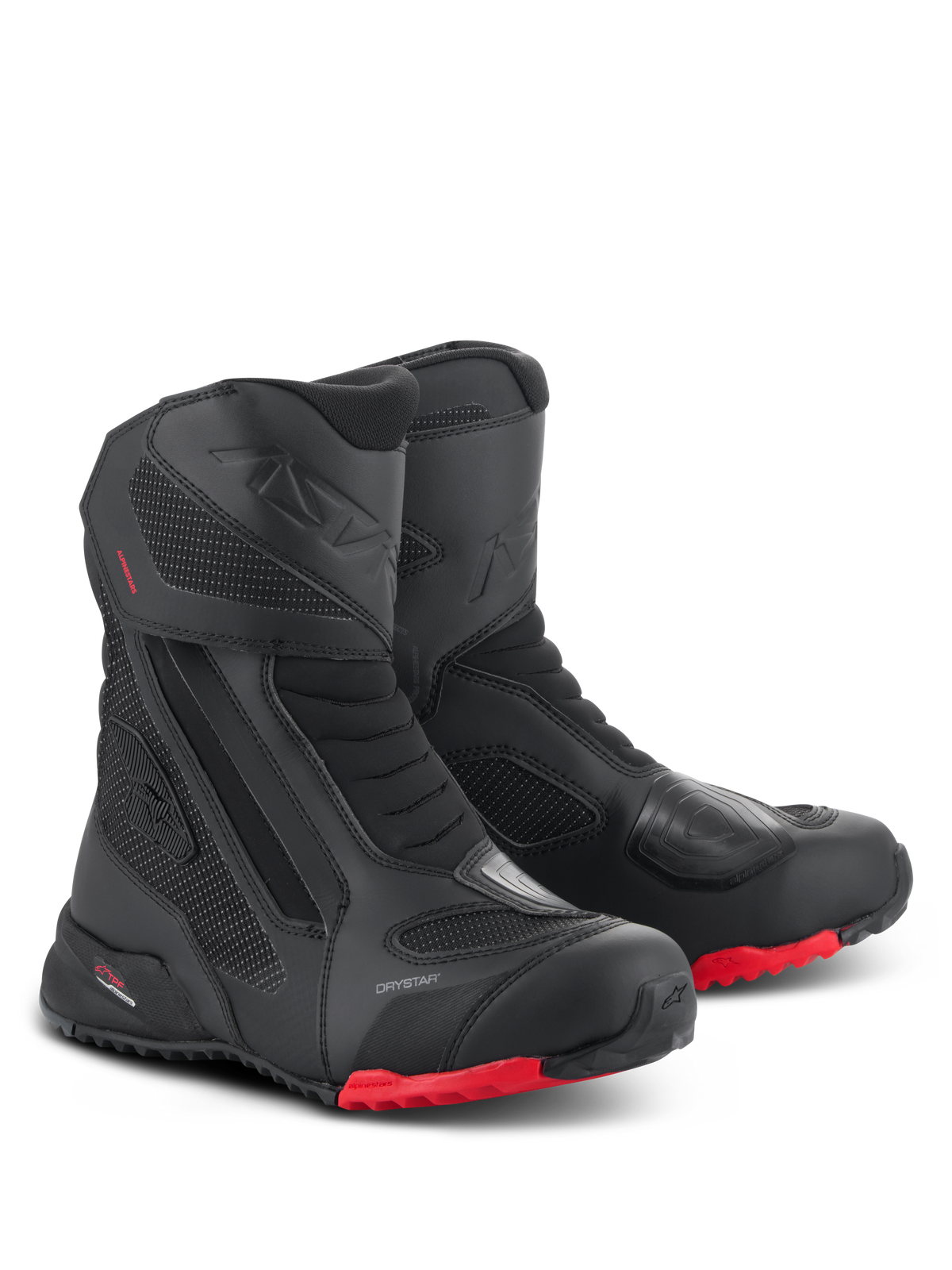


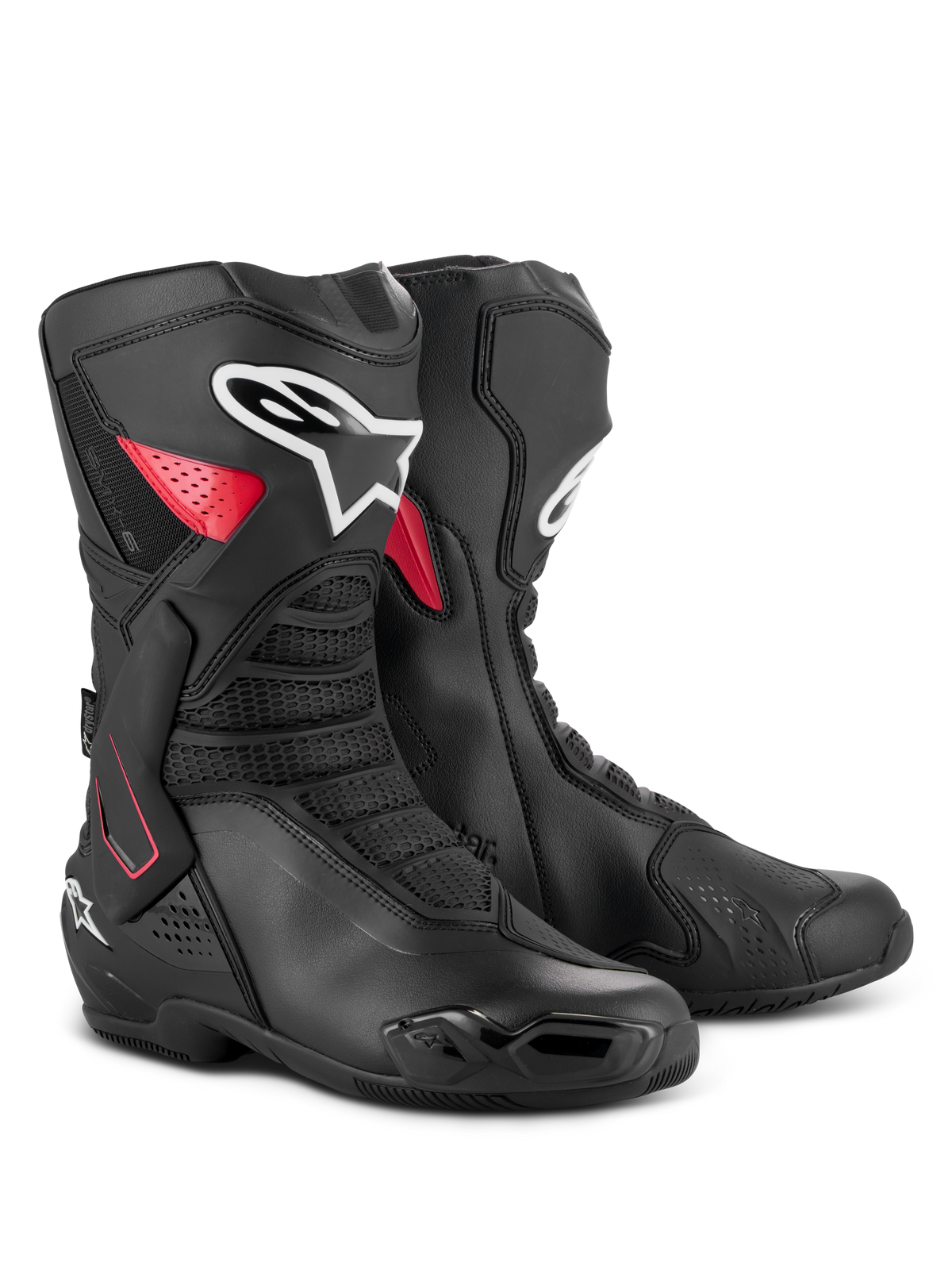


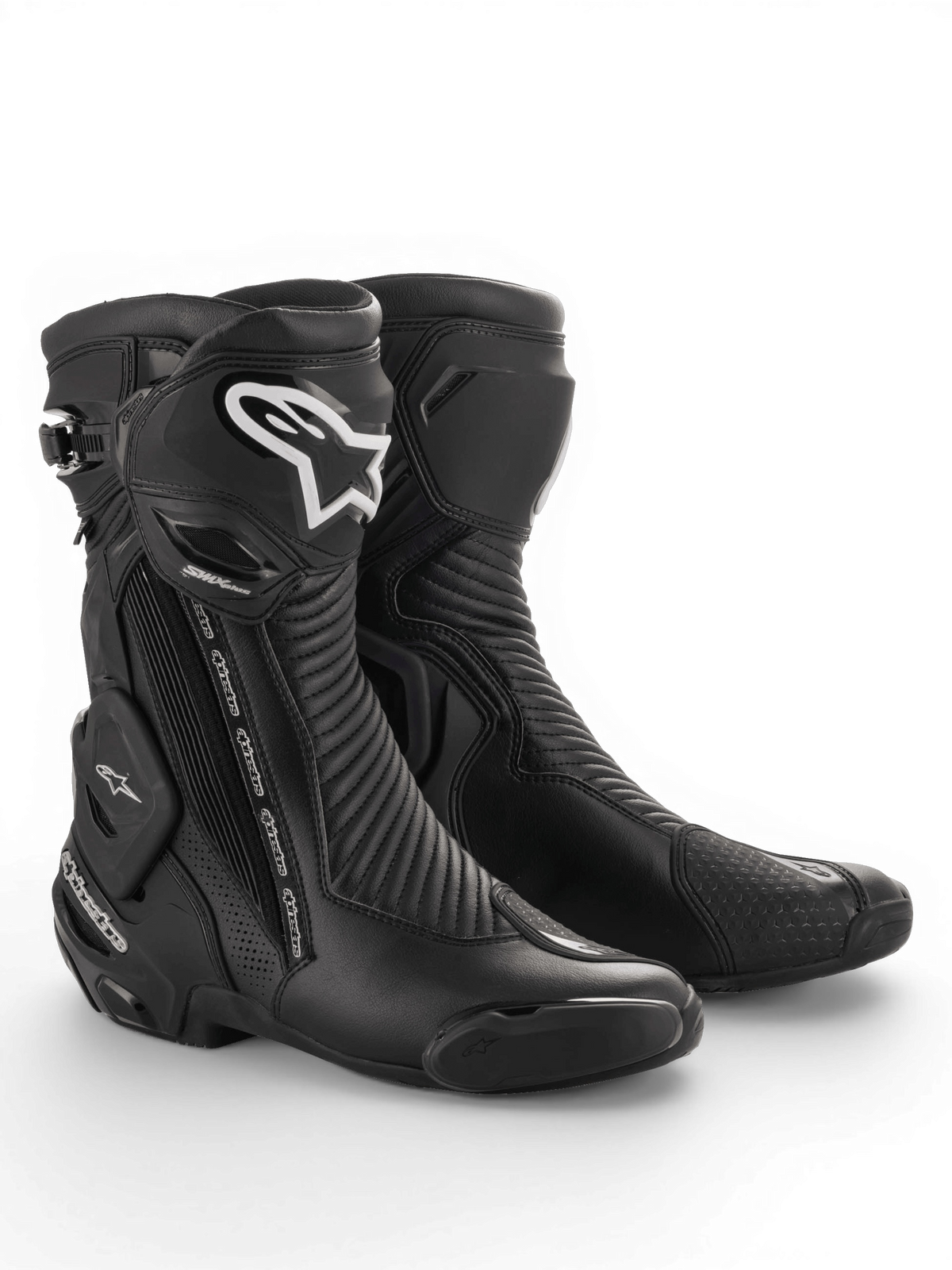


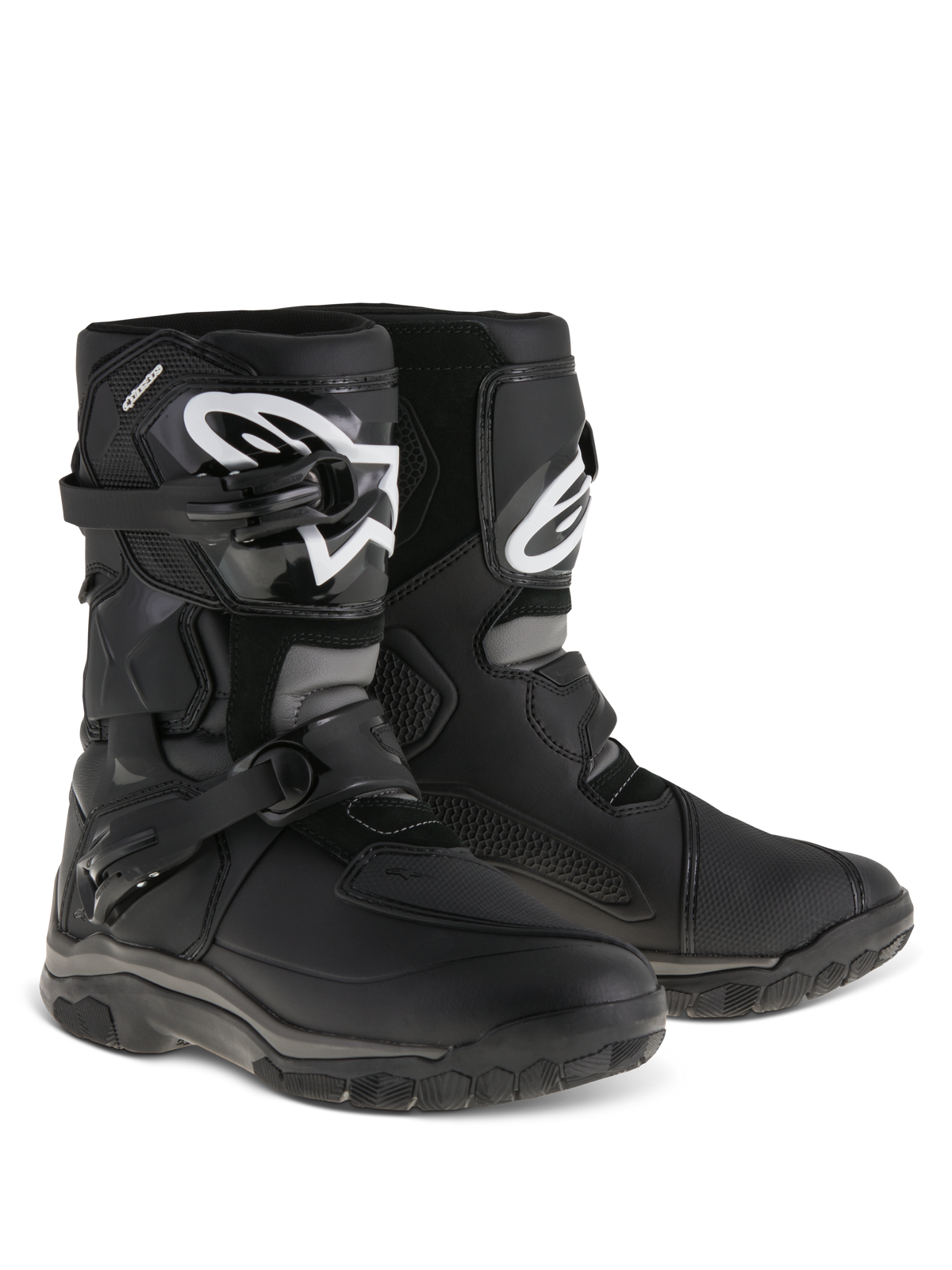


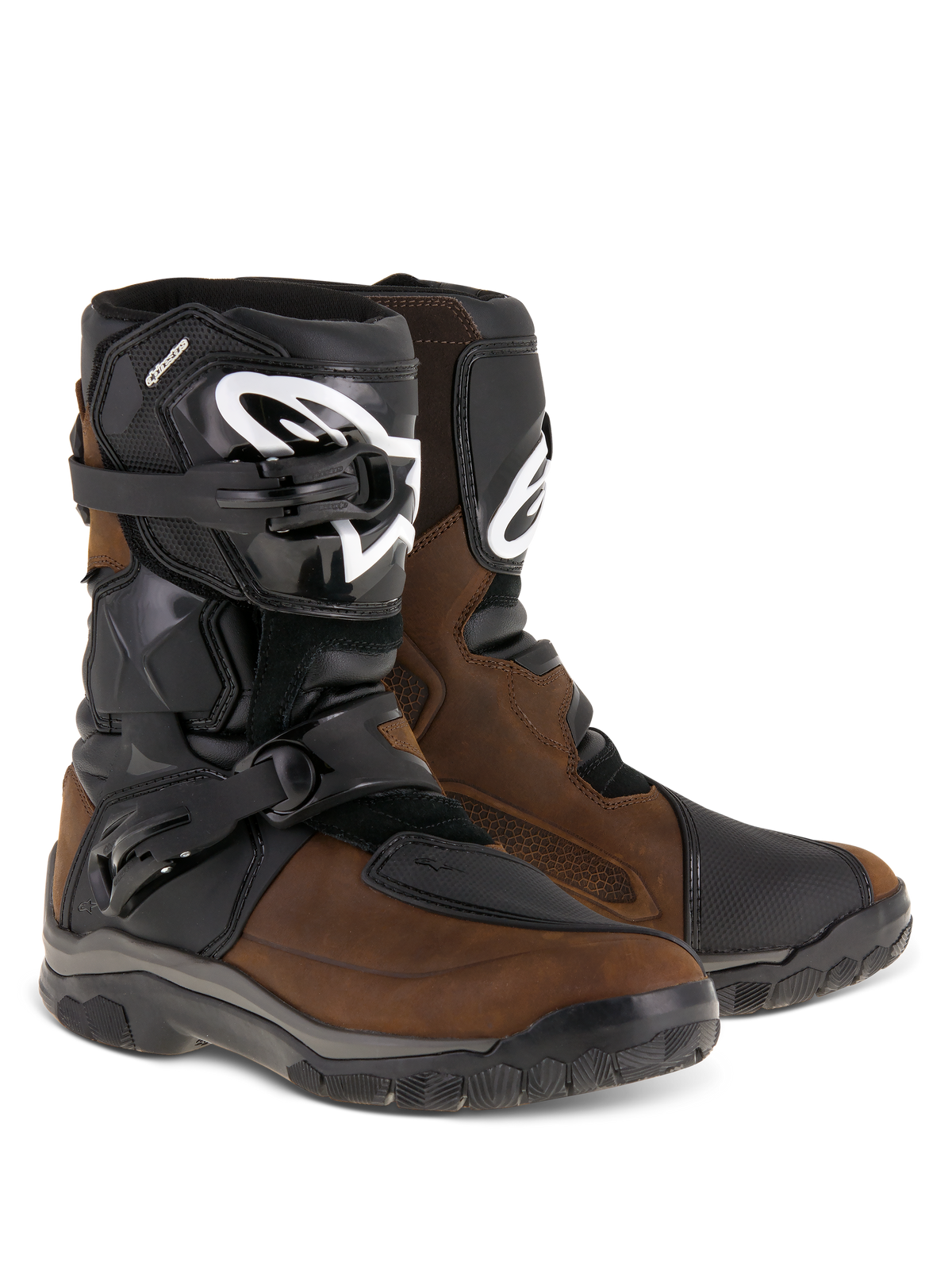

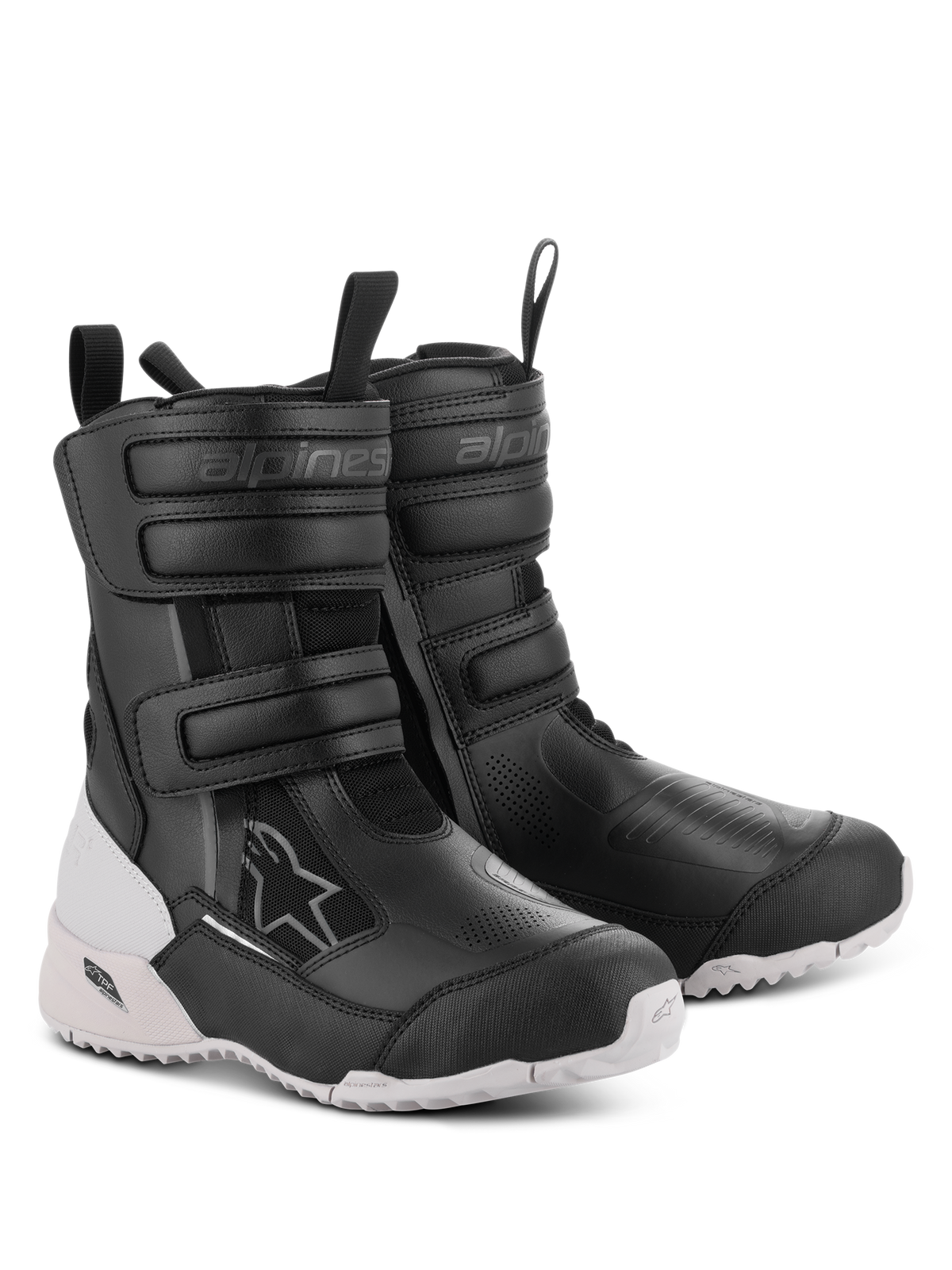


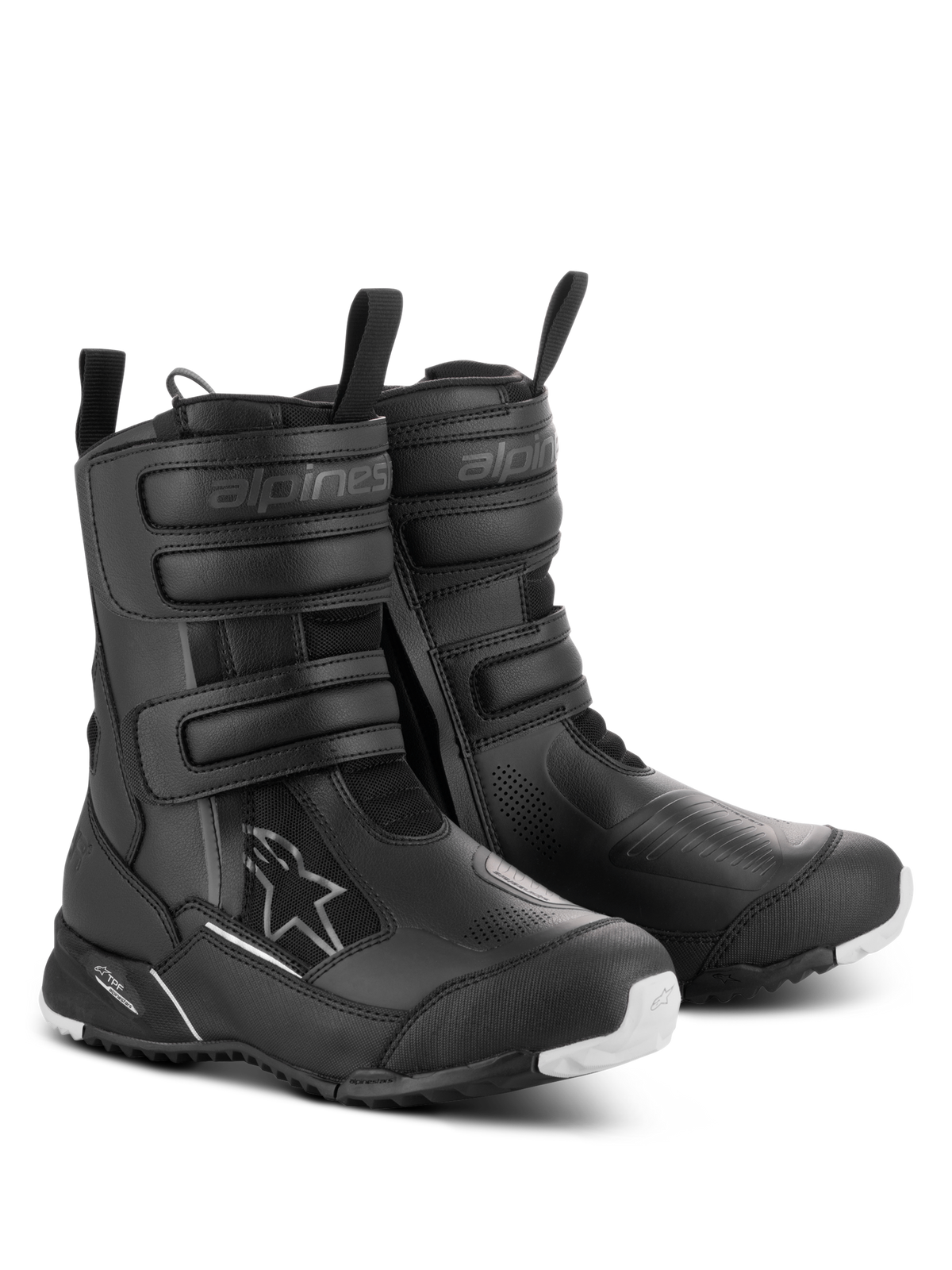

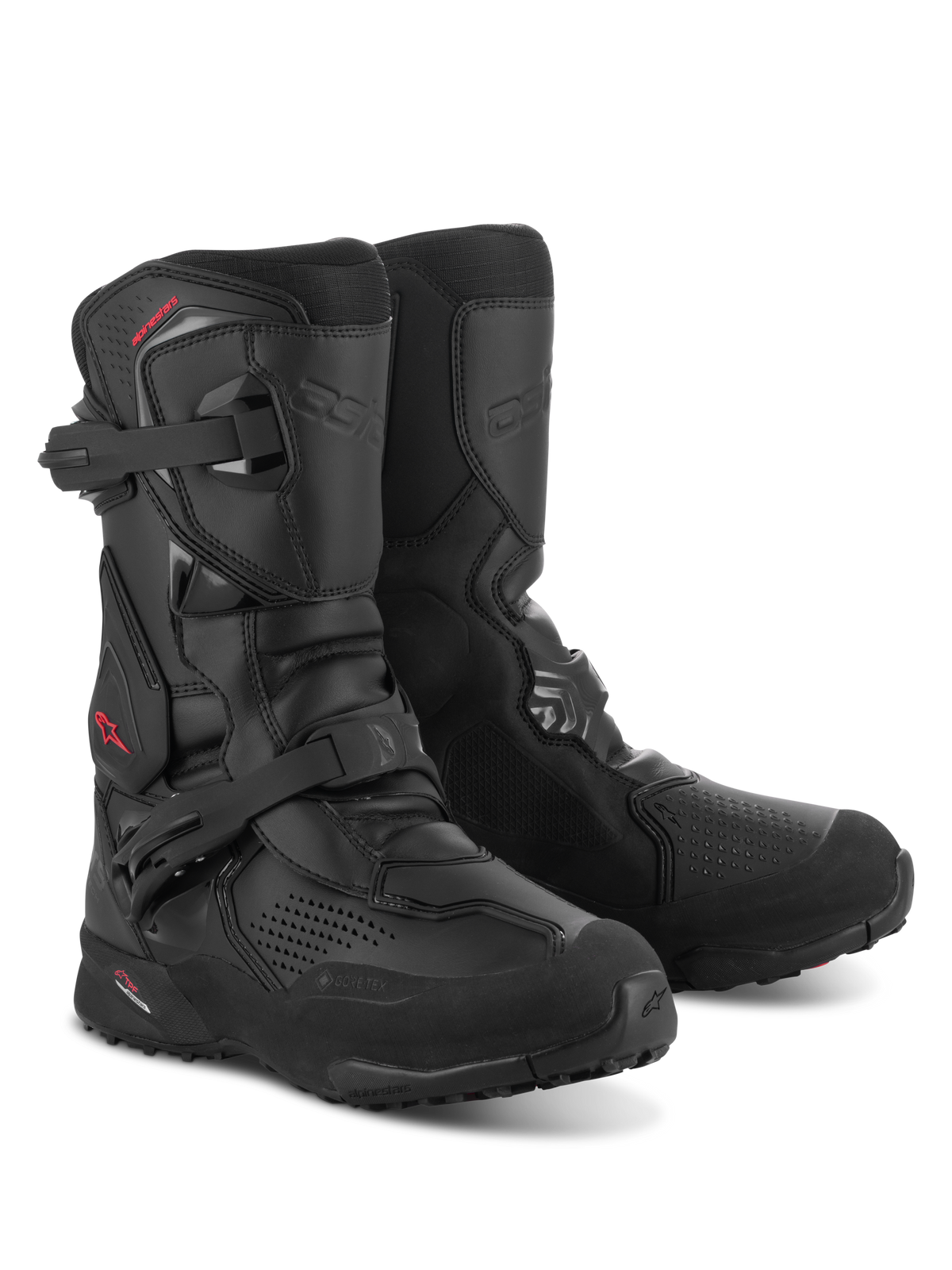


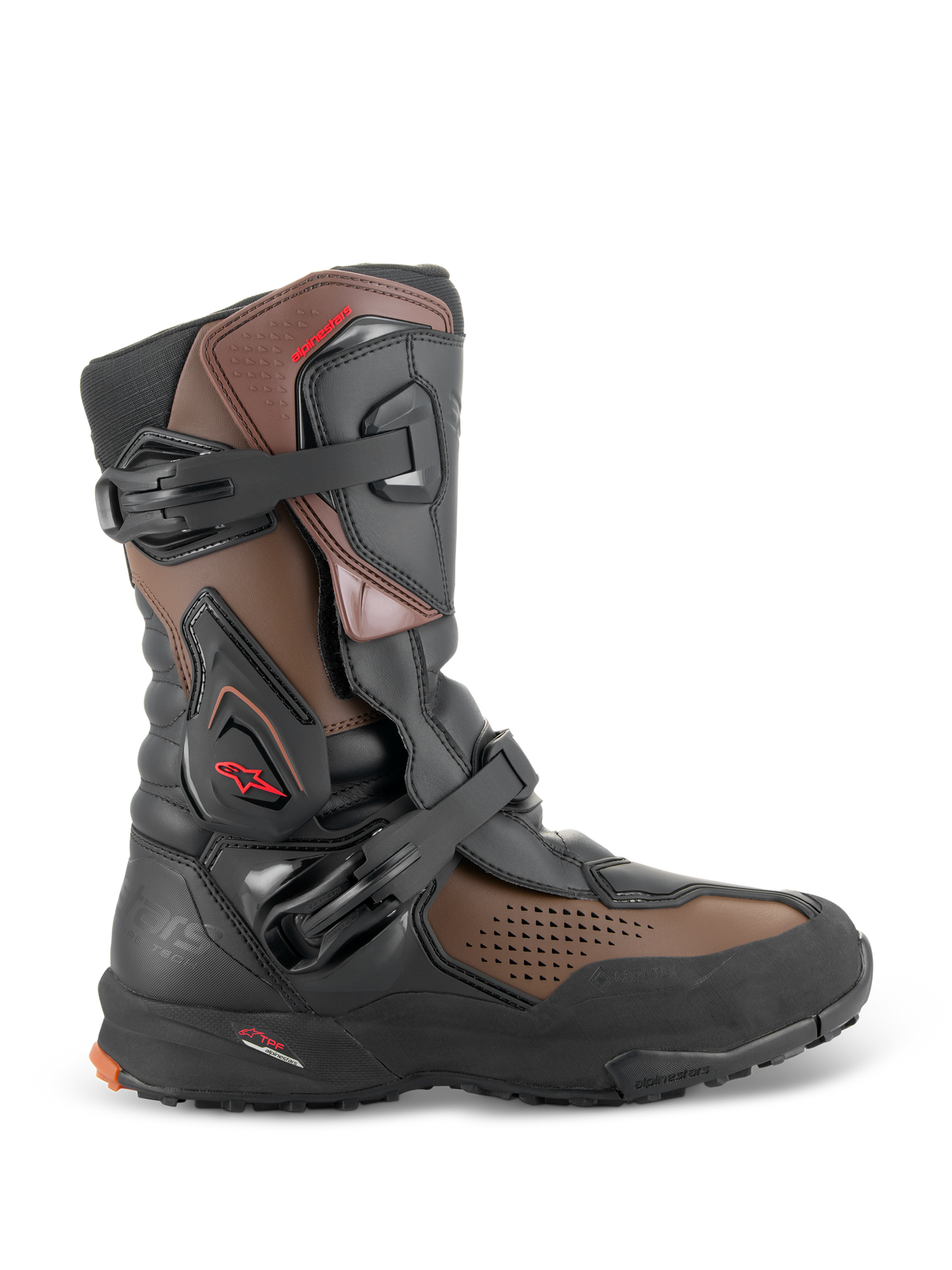
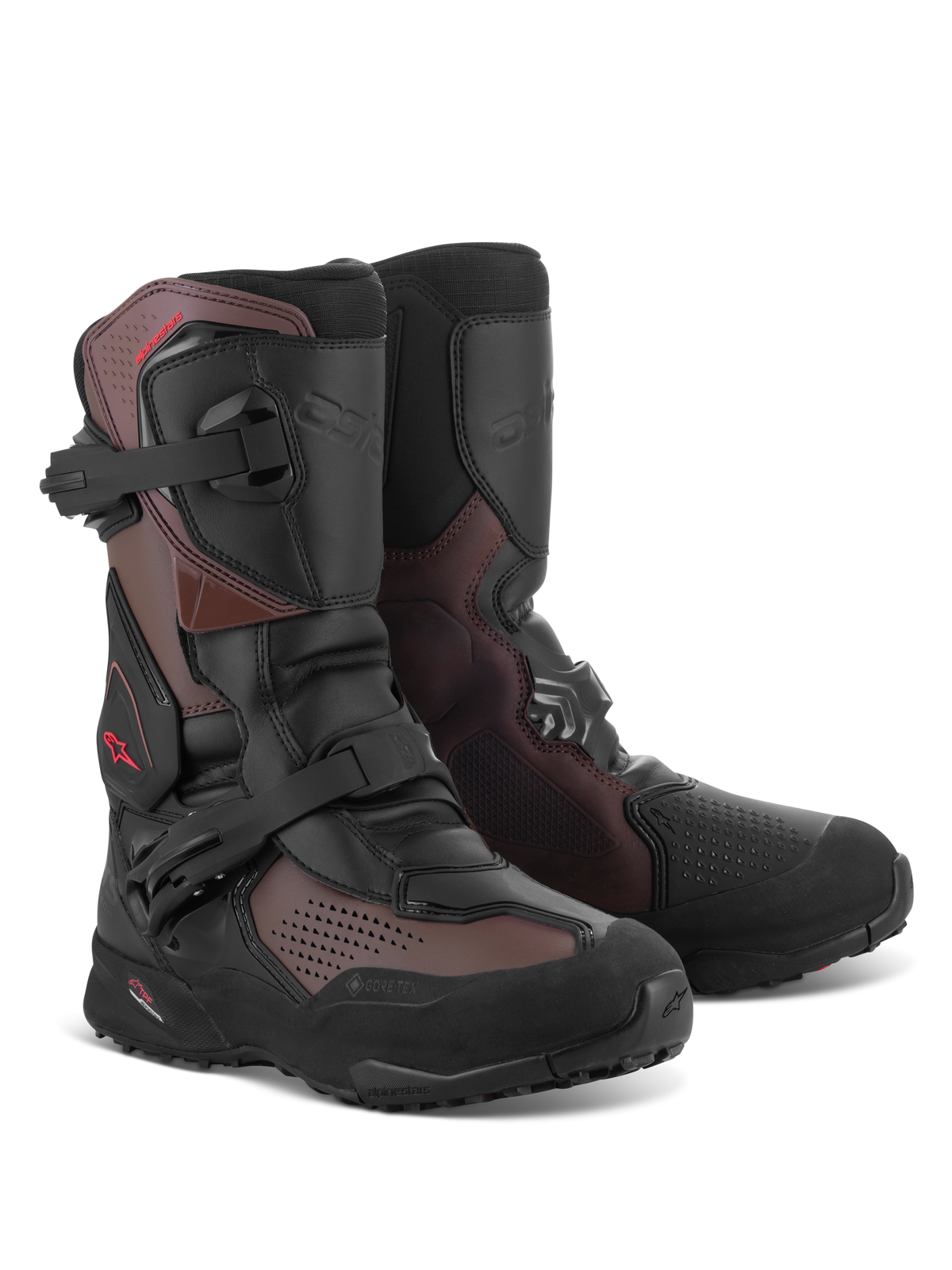

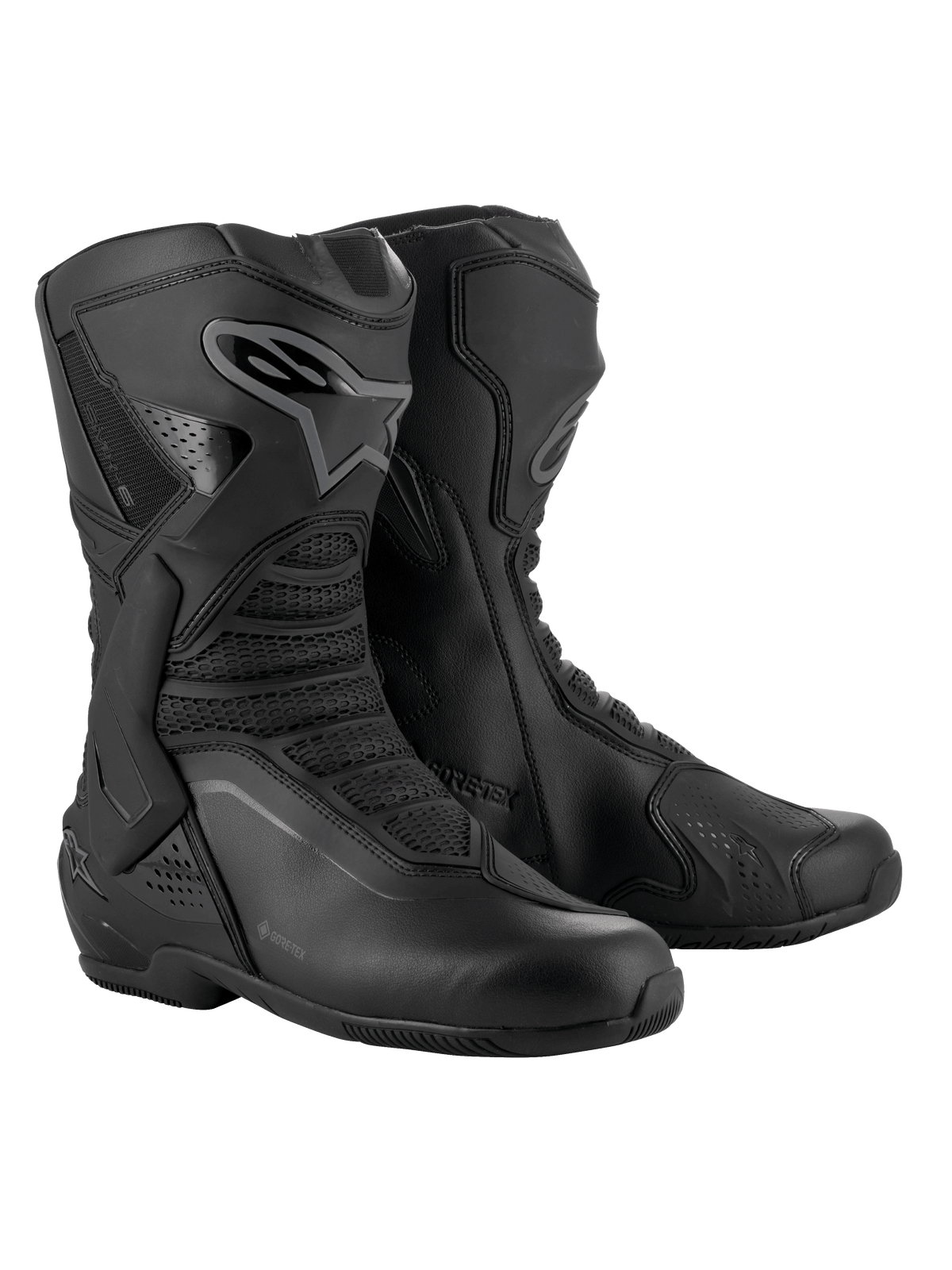


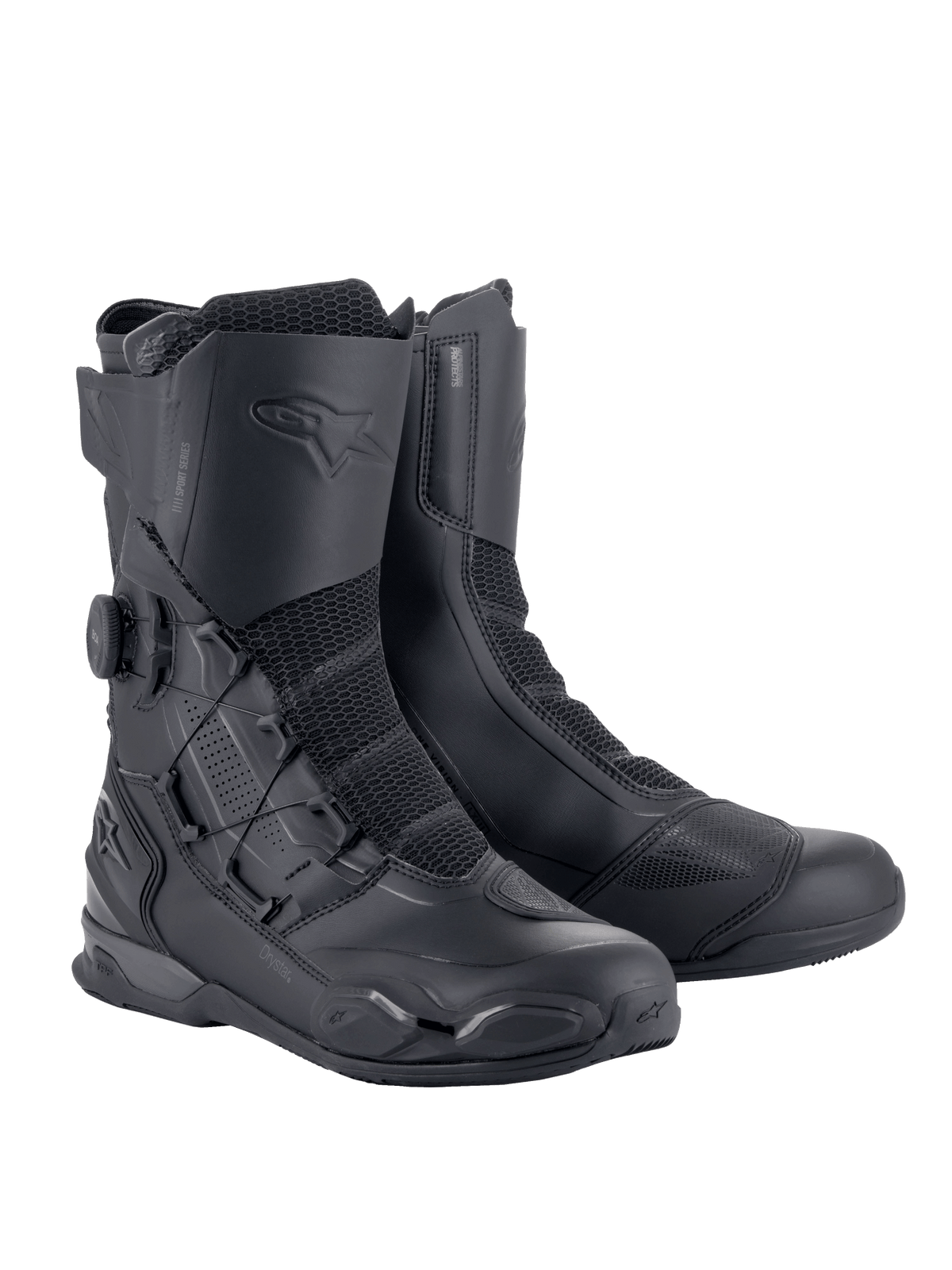


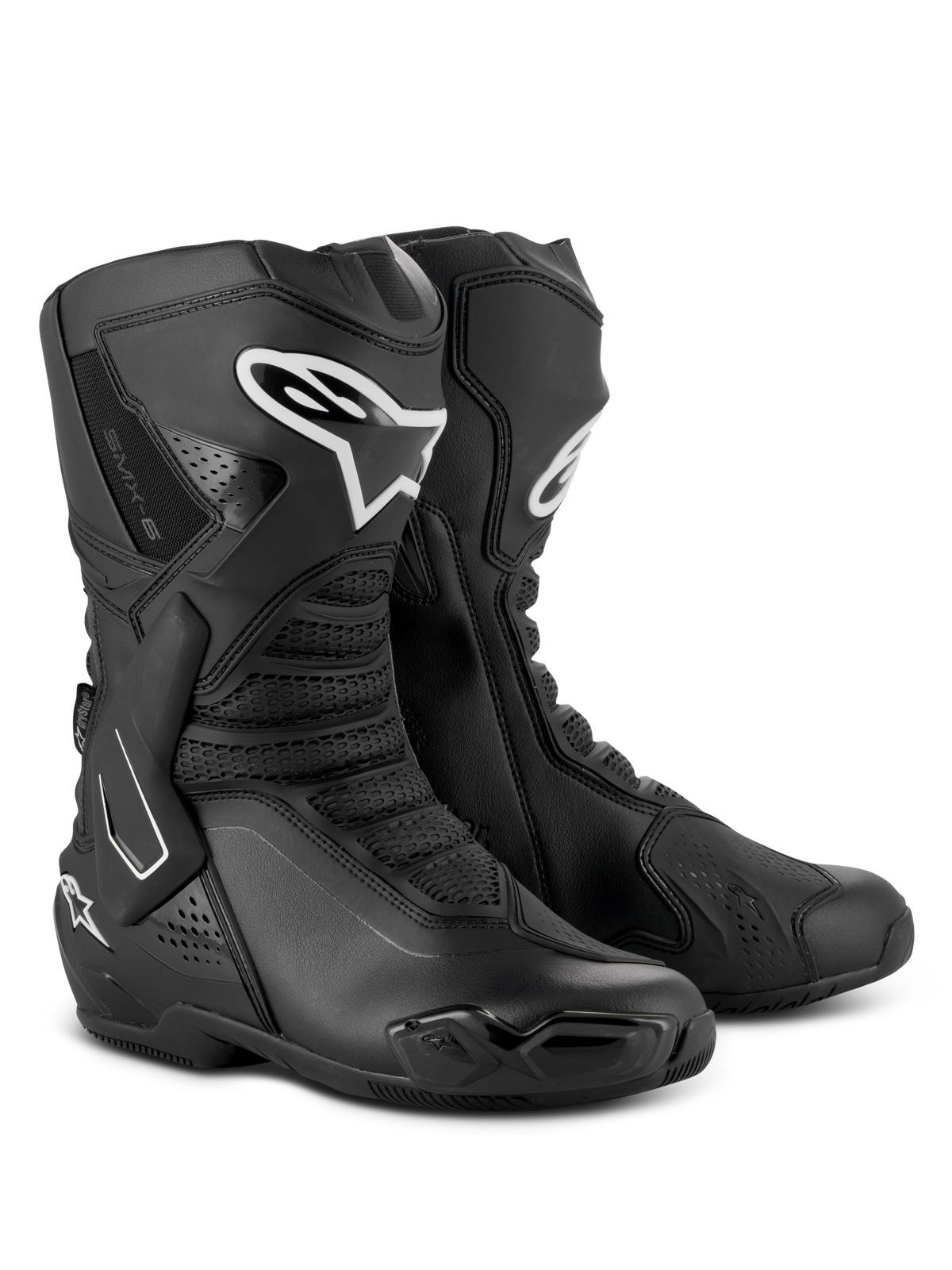
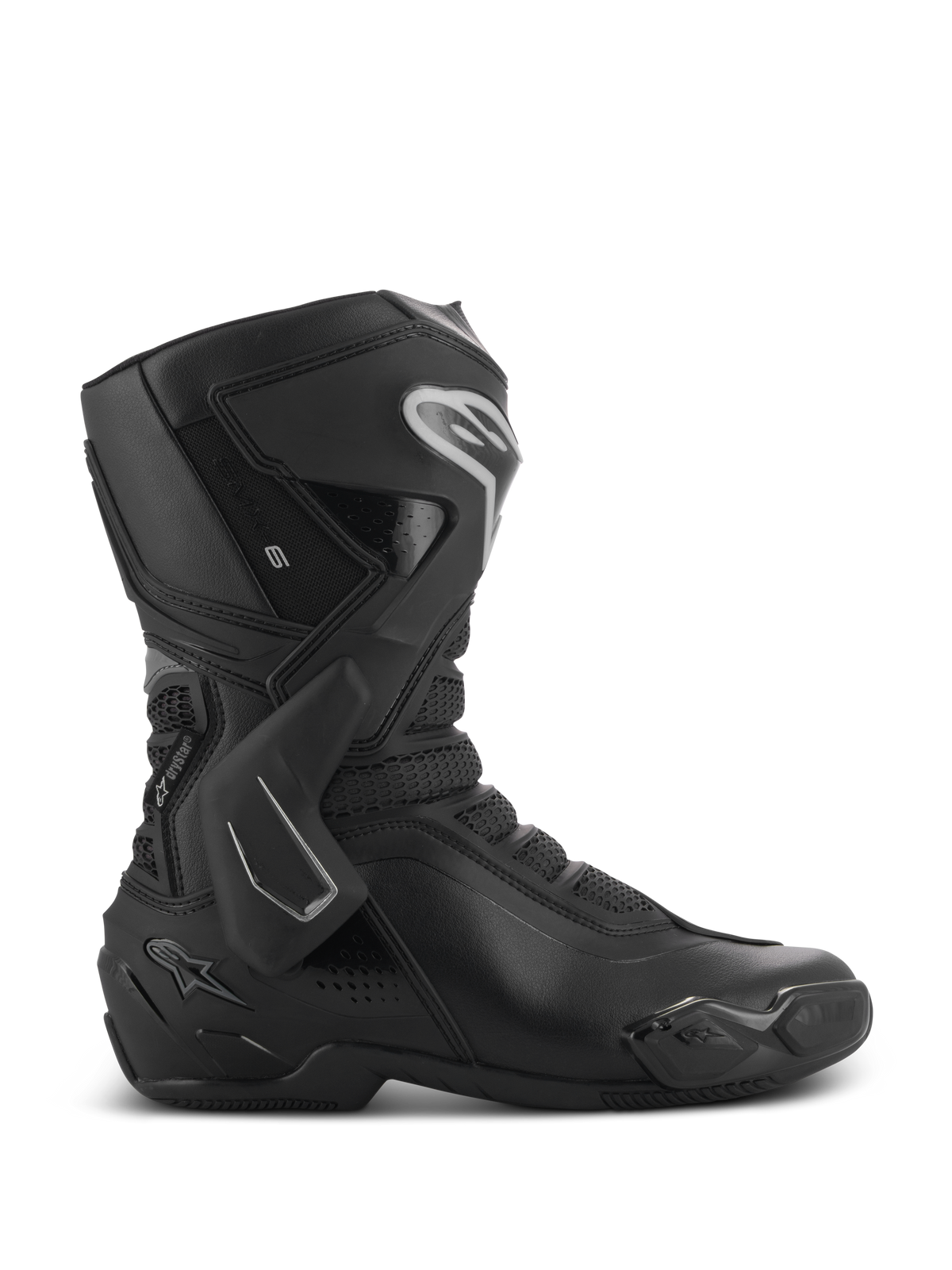


24 of 24 products
All products loaded
Frequently asked questions Hide FAQs
What should I look for in winter motorcycle boots?
Winter motorcycle boots should combine weather protection, rider control, and motorcycle-specific impact protection. Across this type of collection, key features to compare include a waterproof or weather-resistant membrane, reinforced ankle, heel, shin, and toe areas, a sole with dependable grip on wet surfaces, and a closure system that seals securely in cold and rainy conditions.
For winter use, it is also important to consider coverage height, wind resistance, and enough internal volume for technical socks without creating heel lift or pressure points. If you want to compare broader road and touring options, you can also browse our motorcycle boots collection.
Are winter motorcycle boots waterproof?
Many winter motorcycle boots are designed with waterproof and breathable constructions because cold-weather riding often includes rain, road spray, and low temperatures. Common features in this category include waterproof membranes such as Drystar® or GORE-TEX, weather-resistant uppers, and closure systems built to reduce water ingress.
Waterproof performance and warmth are related but not identical. Some boots focus mainly on keeping feet dry and blocking wind, while overall thermal comfort also depends on sock choice, ride duration, and the rest of your cold-weather setup.
How should winter motorcycle boots fit?
Winter motorcycle boots should fit securely at the heel, ankle, and instep, while leaving enough room in the toe box for natural movement and circulation. You should be able to wear your usual cold-weather riding socks without numbness, pinching, or excess pressure across the forefoot.
When checking fit, make sure there is minimal heel lift when walking and that the boot remains stable with all closures fastened. If you ride with thicker thermal socks or supportive footbeds, test the fit in that exact setup so comfort and control stay consistent on the bike.
Are winter motorcycle boots CE certified, and what does EN 13634 mean?
Many motorcycle boots in this category are CE certified to EN 13634, the European standard for protective motorcycle footwear. This standard covers areas such as abrasion resistance, impact protection, transverse rigidity, and overall construction requirements relevant to riding use.
Certification can vary by model, so the best approach is to check the product page or internal label for the exact EN 13634 marking and performance information. For winter riding, certification matters because weather protection should not come at the expense of protective performance.
How do I clean and care for winter motorcycle boots?
After wet or dirty rides, remove mud, grit, and road salt with a soft brush or damp cloth, then let the boots air-dry naturally in a ventilated area. Avoid direct heat such as radiators, heaters, or open flames, because excessive heat can shorten the life of adhesives, membranes, and protective materials.
Use a cleaner suited to the outer material, whether leather, microfiber, or textile, and reproof the exterior when appropriate. Regular care helps preserve waterproof performance, sole grip, and long-term comfort through the colder riding season. If you are building a full cold-weather setup, you can also explore our road gear collection.